Pakistan accuses Houthis of killing nationals in Red Sea
Pakistan said on August 12 Houthi forces killed its nationals in the Red Sea, as shipping data challenged claims that Hormuz transit is “open”.
Mateo Fernandez ·
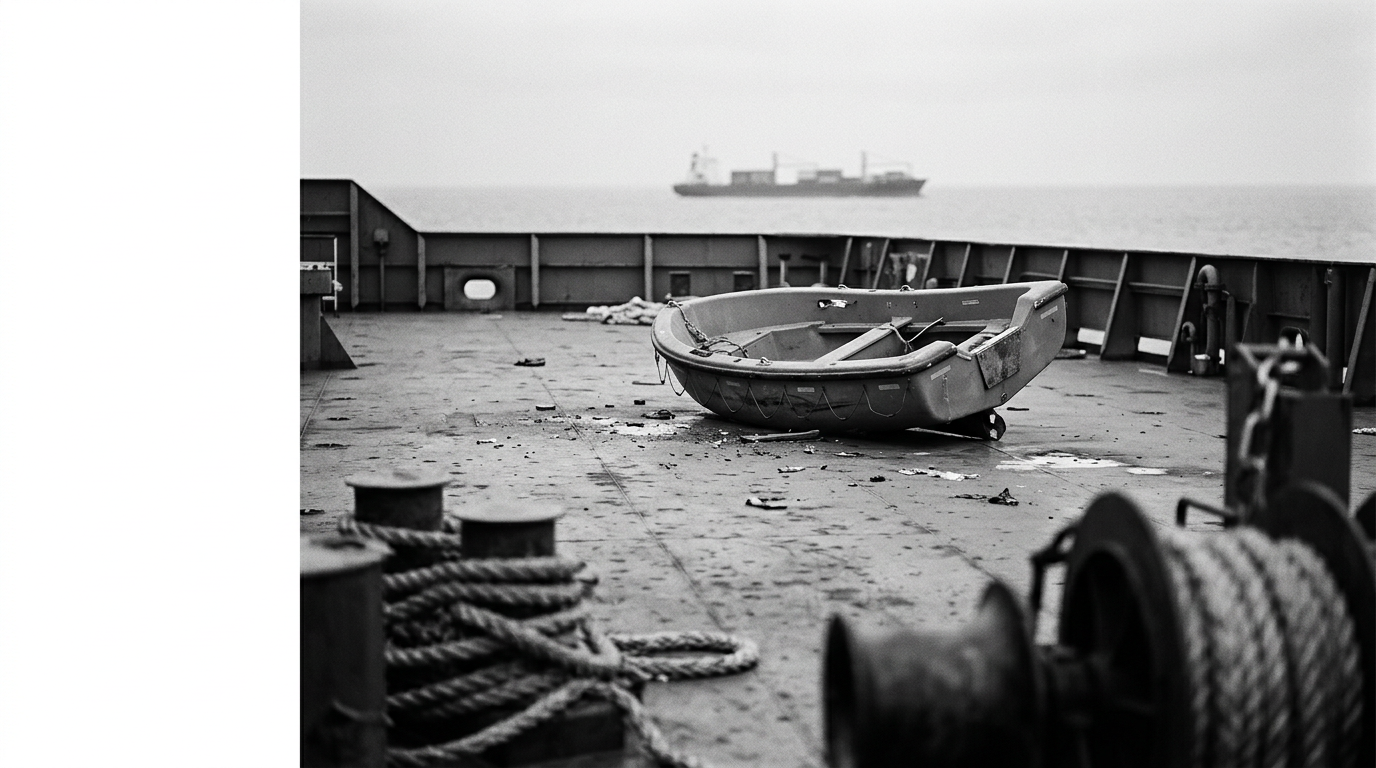
Pakistan said on August 12 that its nationals were killed in the Red Sea and blamed Houthi forces for the deaths, adding to renewed security concerns along a key maritime trade route. Officials did not release a casualty count and did not outline a detailed sequence of events for the incident.
The accusation comes as questions persist over the practical availability of major regional sea lanes. Data on vessel movements was described as not aligning with President Trump’s public statement that the Strait of Hormuz is “open”, leaving uncertainty about actual maritime access and how closely official messaging matches operating conditions.
Pakistan’s allegation and the information still missing Officials Pakistan’s allegation and the information still missing Officials said Pakistan attributed the deaths to Houthi Officials said Pakistan attributed the deaths to Houthi fighters. Beyond that attribution, authorities have not provided figures on fatalities or injuries, nor have they set out when and where the deaths occurred. The absence of a timeline and confirmed numbers leaves operators, insurers, and other governments with limited verified detail as they assess near-term risks. Further statements from Pakistani authorities and regional maritime agencies were expected by August 14 as inquiries continue. Commercial shipping and insurance pressure points The allegation adds strain to commercial shipping activity in waters that are central to global energy and goods flows. Repeated security incidents can influence how vessels plan routes and how quickly port schedules can be maintained, particularly when risk assessments change with new claims or investigations. Shipping underwriters typically react to recurring events by Shipping underwriters typically react to recurring events by increasing insurance premiums and classifying routes as higher risk, the source material said. Those changes can lead some ship operators to avoid certain waters, which can extend voyage durations and raise operating costs. Any shift in how insurers price coverage or define risk zones can ripple through freight pricing and delivery timing, because higher insurance costs and longer routes may be passed through to customers. The source material also noted that rerouting can increase transit times, adding to logistical complexity.
Strait of Hormuz claims versus observed shipping patterns
Red Sea The situation also intersects with the Strait of Hormuz, where public assertions about access are being scrutinised against shipping data. The source material said observed patterns did not support President Trump’s claim that the passage is “open”, raising doubts about the level of real-world access available to ships.
That gap between statements and observed movements can complicate efforts to build or maintain arrangements intended to keep Hormuz transit secure. The episode was described as widening political and operational distance between claims of open passage and conditions on the water.
With investigations ongoing, insurers and ship operators were expected to reassess short-term routing and coverage decisions while awaiting additional official updates by August 14.