Opinion claims US attrition strategy is reshaping Iran’s regional posture
An opinion essay argues the US has gained leverage over Iran through sustained pressure, limiting escalation and stabilizing oil prices amid regional tension.
Omar Farouk ·
# Opinion claims US attrition strategy is reshaping Iran’s regional posture
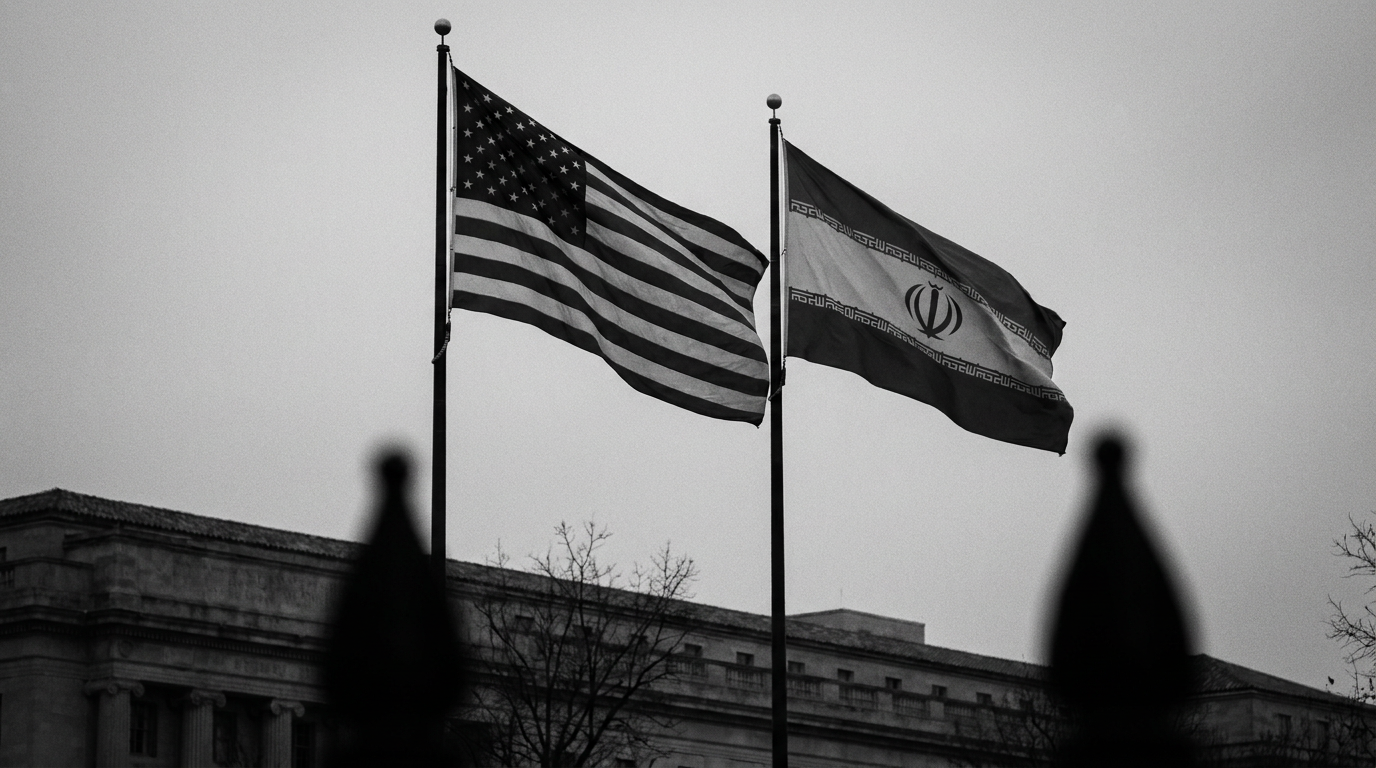
A recent opinion essay in Israel’s English-language press argues the US is “winning the war of attrition” against Iran, describing a pattern of contained, repetitive confrontation that the author says is working to Washington’s advantage. The piece contends that oil-price volatility between negotiation cycles has eased and that violent spikes have become less frequent, framing this “routinization” as a strategic gain for the US.
Joint Comprehensive Plan
The essay is an argument, not an official assessment, and it does not cite primary data or government findings for its core claims. Still, it reflects a wider regional debate over whether sustained US pressure is pushing Iran toward a less influential status quo, or whether Tehran is simply adapting its tools and timelines.
The central policy backdrop is the US decision in 2018 to leave the Joint Comprehensive Plan of Action (JCPOA), the 2015 nuclear deal between Iran and world powers that traded sanctions relief for limits on Iran’s nuclear program. After withdrawal, Washington reimposed sanctions and expanded pressure on Iranian oil exports, banking access, and associated networks, creating long-running friction that has shaped regional calculations.
Iran, for its part, has long described its regional network of aligned groups as the “Axis of Resistance,” spanning arenas that include Lebanon, Syria, Iraq, and Yemen. In regional shorthand, this typically refers to state and non-state actors aligned with Tehran, including groups that target US partners and, at times, US forces; many of these activities unfold through deniable, low-intensity operations rather than direct state-on-state conflict.
In the Middle East
If policymakers accept the essay’s premise, the strategic implication is that a steady-state level of proxy violence and periodic limited strikes can favor the side with deeper economic capacity and broader alliance structures. In the Middle East, that logic can alter deterrence on several fronts: how Iran calibrates support to partner forces, how US regional partners hedge their security bets, and how quickly crises escalate from localized clashes into wider conflict.
The global spillover is straightforward: even contained conflict raises risk premia in energy and shipping. Markets and governments watch chokepoints such as the Strait of Hormuz, a key passage for Gulf energy exports, and the Bab al-Mandab at the southern entrance to the Red Sea, where disruptions can force rerouting and raise costs. A true shift toward “routinized” confrontation would not remove those risks, but it could change how often they spike and how quickly diplomacy is pulled into emergency mode.
By 2024-08-31, watch for falsifiable signals that would support or undercut the opinion essay’s thesis: any clear change in Iran’s stated nuclear policy, any observable reduction or surge in proxy activity tied to Iran’s “Axis of Resistance,” or any direct engagement with US or allied forces that breaks the recent pattern of low-intensity confrontation. The thesis looks stronger if the region remains in a persistent but bounded cycle of proxy attacks without a major Iranian escalation; it weakens if Tehran triggers a sustained escalation, or if Washington signals a significant policy shift that changes the pressure-and-containment framework.