OpenAI Defeats Musk In Landmark AI Trial
Federal court rejects Elon Musk's lawsuit against OpenAI, a major legal victory for Sam Altman and the ChatGPT maker in the AI battle.
Atlas Newsdesk ·
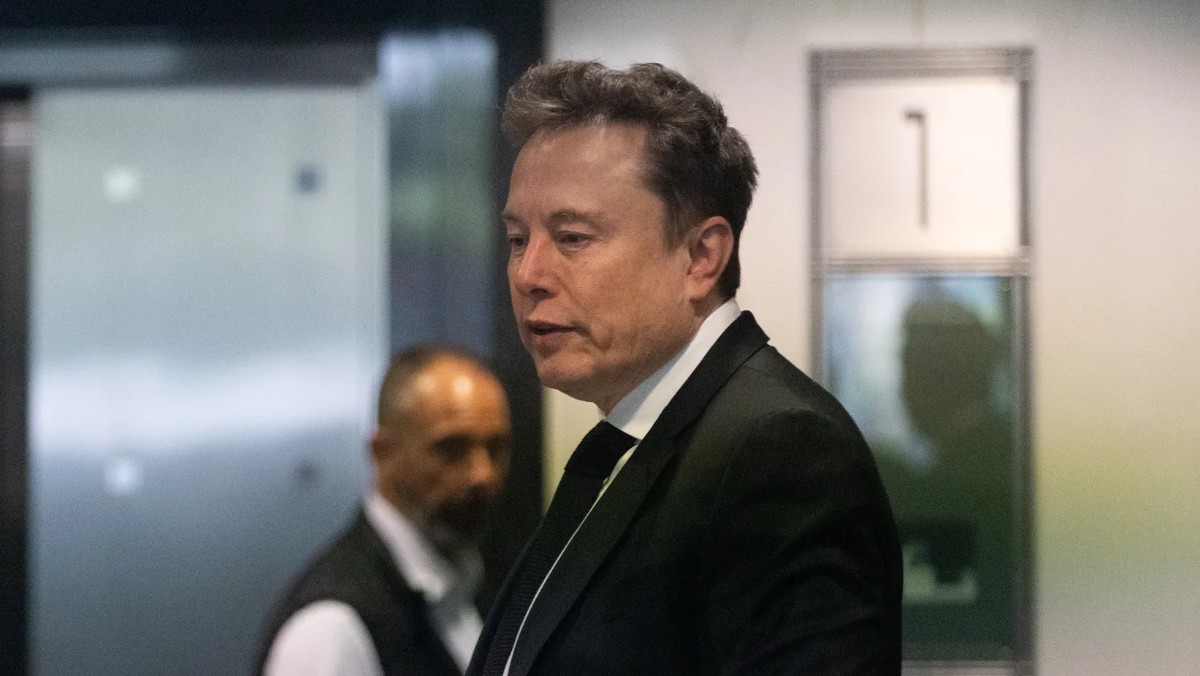
A federal jury ruled against Elon Musk in his lawsuit accusing OpenAI of betraying its founding nonprofit mission, concluding that Musk waited too long to file the case and missed the legal deadline to sue.
U.S. District Judge Yvonne Gonzalez Rogers dismissed the case shortly after the advisory jury delivered its verdict following less than two hours of deliberation after a three-week trial in federal court in Oakland.
Musk, a co-founder of OpenAI who invested roughly $38 million in the company during its early years, accused OpenAI CEO Sam Altman and President Greg Brockman of abandoning the organization’s original mission to develop artificial intelligence for the benefit of humanity rather than private profit.
The lawsuit also targeted Microsoft, OpenAI’s largest strategic investor, claiming the company improperly benefited from OpenAI’s transition into a commercial AI powerhouse.
Jury sides with OpenAI
OpenAI argued throughout the trial that Musk knew for years the company was moving toward a for-profit structure and only sued after OpenAI became commercially successful and emerged as a rival to his own AI company, xAI.
Lawyers for OpenAI described Musk’s lawsuit as an attempt to damage a competitor and said he had previously sought control over OpenAI himself.
The court agreed that Musk’s legal claims were filed too late under California’s statute of limitations laws, effectively ending the case before the jury fully considered broader allegations involving fraud and unjust enrichment.
Musk’s legal team immediately signaled plans to appeal the ruling.
Trial exposed deep Silicon Valley feud
The trial became one of the most high-profile technology courtroom battles in years and revealed extraordinary details about the breakdown in relations between Musk and Altman.
Testimony showed Musk repeatedly clashed with OpenAI leaders over governance, funding and the future of artificial general intelligence, or AGI. Altman testified that Musk had attempted to fold OpenAI into Tesla and sought long-term control over the company.
Former OpenAI executives and board members also testified about internal disputes surrounding Altman’s leadership, including concerns over transparency and honesty that contributed to his brief removal as CEO in 2023.
The proceedings highlighted broader fears about the race to develop increasingly powerful AI systems and whether commercial competition is overtaking concerns about safety and public accountability.
Major win for OpenAI
The verdict removes a major legal threat hanging over OpenAI as the company explores a possible future public offering and competes aggressively against rivals including Anthropic, Google and Musk’s xAI.
OpenAI is now valued at roughly $850 billion according to testimony during the trial, driven largely by the global success of ChatGPT and enterprise AI services.
Microsoft also emerged from the case without liability, preserving one of the most important partnerships in the AI industry.
Despite the courtroom defeat, analysts say the trial intensified scrutiny of how powerful AI companies are governed and whether nonprofit missions can survive inside increasingly commercialized technology firms.