OPEC+ Set to Lift September Quota Then Stop Hikes This Year
OPEC+ may approve a 188,000 barrel-a-day September quota increase on Aug. 2, then pause further hikes while assessing Iran war supply effects.
Matteo Ricci ·
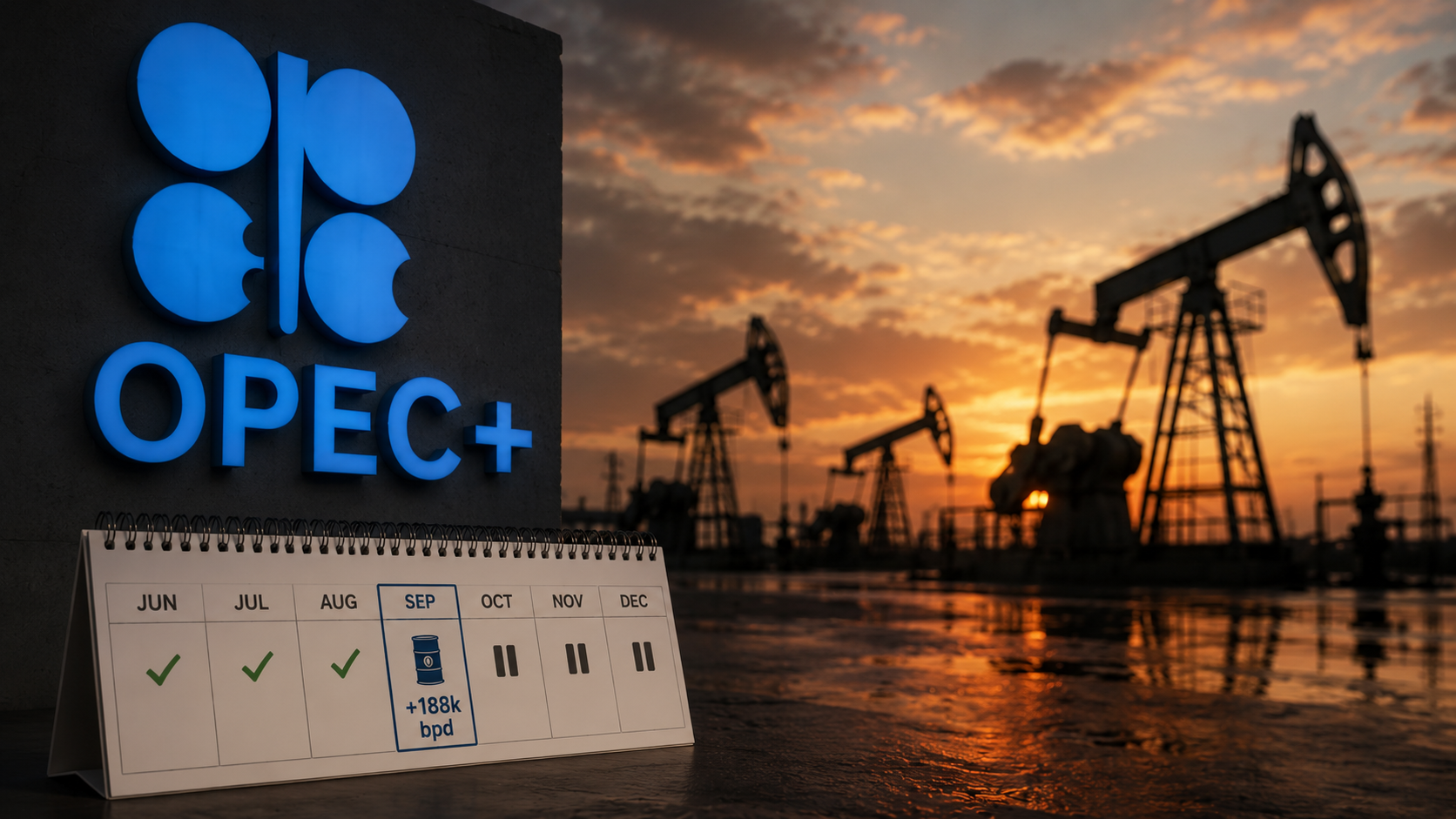
OPEC+ is expected to approve a 188,000 barrel-a-day September quota increase, then pause further hikes this year, delegates said.
The plan is not final. The producer group is scheduled to meet virtually on Aug. 2, when it is currently expected to ratify the September increase, according to two delegates who were not authorized to speak publicly.
September vote caps current tier
The proposed increase would complete the current tier of quota hikes. After that step, the delegates said there are no plans for additional increases this year.
The distinction between a quota and actual supply matters for oil markets. A quota sets the amount members are allowed to produce, while physical output can still depend on capacity, compliance and disruptions that were not detailed in the supplied information.
One delegate cautioned that the plan could still shift if conditions change. That makes the Aug. 2 meeting less a routine approval and more a test of whether the group wants to keep adding barrels while geopolitical supply risks remain unsettled.
Iran war reshapes supply calculus
The stated reason for caution is the Iran war and its fast-changing effect on oil supply. The delegates did not provide figures for affected production, exports or shipping flows, so the scale of the disruption cannot be verified from the supplied material.
For OPEC+, the issue is timing. If conflict-related losses tighten available supply, a pause after September would avoid adding fresh policy uncertainty while members assess the market.
If the supply impact proves smaller than feared, the pause would still give the group time to see how the September increase is absorbed. In that case, the mechanism is inventory and price response rather than a new political signal from producers.
The group’s current approach also reflects a balancing act between market share and price management. More quota increases can help members regain room to sell, but too much additional supply can pressure prices if demand does not keep pace.
Oil market reads the pause
For the global macro picture, a pause would reduce the risk of a near-term supply surge from OPEC+ policy. If oil prices stay contained, energy costs would be less likely to add pressure to inflation; if conflict tightens supply, the pause would not by itself offset that shock.
For OPEC+ itself, the September step would preserve the current plan while keeping flexibility for later. The group would avoid committing to more hikes before it has a clearer read on the war’s supply effects.
For the wider energy industry, the signal is mixed. Refiners, traders and producers would face a final scheduled quota increase, followed by a period in which political risk rather than announced monthly additions could dominate pricing.
There are three plausible paths from here. If delegates’ current plan holds, September becomes the final quota increase of the year, leaving global markets to absorb 188,000 barrels a day of additional allowance while OPEC+ watches supply conditions.
If the Iran war causes a sharper supply shock, the group could keep the pause and allow the market to tighten through lower available barrels. That would matter for macro inflation, support OPEC+ pricing power and raise feedstock risk for fuel buyers.
If conditions change before or after Aug. 2, the group could revise the plan. The key uncertainty is not only whether the September quota is approved, but whether member supply, conflict risk and demand conditions make the pause durable.