Gas Shortages and $40 Million Dispute Cripple Bangladesh Garment Industry
Bangladesh garments face gas-driven output cuts and a $40 million supplier dispute, adding delivery risk as a retailer scales back sourcing.
Atlas Newsdesk ·
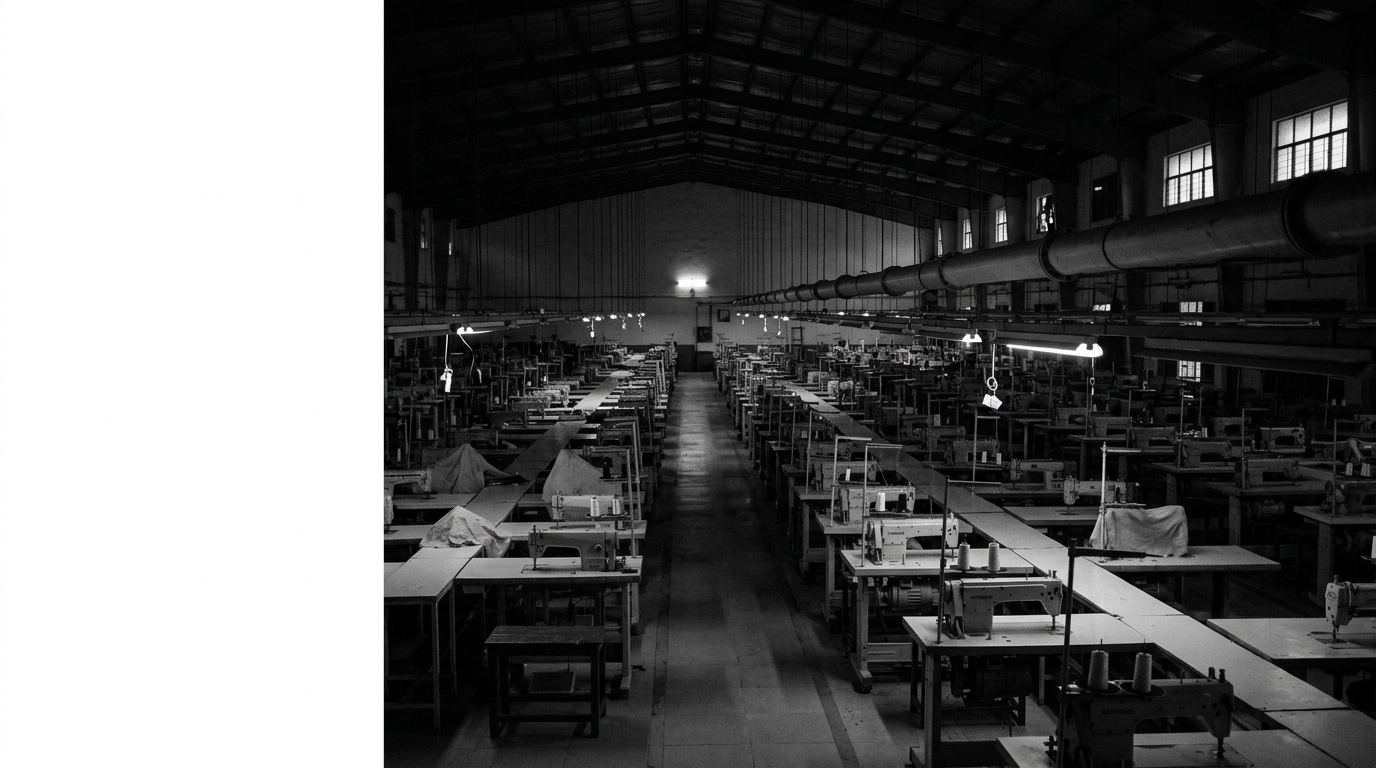
Bangladesh’s garment industry is facing two simultaneous pressures that are disrupting day-to-day operations: persistent energy shortages that are cutting factory output and a fast-escalating payment dispute involving local suppliers and a major international retailer.
Trade associations said constraints in gas supply have forced manufacturers to run below normal levels. They reported that effective production capacity has fallen by 30% to 40% across affected areas, while some industrial belts have seen output drop by as much as 60%.
Gas supply constraints squeeze factory operations
Industry representatives said many factories are trying to Industry representatives said many factories are trying to keep production moving through temporary adjustments. However, they warned that unstable gas availability makes it difficult to run boilers consistently, a key requirement for uninterrupted manufacturing processes in the sector. Officials in the industry said these operational limits raise the risk of missing export deadlines when production cannot be planned reliably. Trade groups framed the situation as manageable in the short term, but said sustained volatility in energy supply could undermine on-time delivery performance. $40 million payment dispute adds legal and security risks At the same time, local suppliers are seeking to hold a major international retailer responsible for $40 million in unpaid debts tied to a former subsidiary. The dispute has moved into litigation and has also led to police intervention against company officials, according to the account provided in the source material.
Real GDP Growth2
The retailer has denied any liability. It has argued that the entity responsible for the debts has a distinct legal status, and that this limits or removes the retailer’s responsibility for the unpaid amounts. As the dispute intensified, the retailer scaled back sourcing operations from Bangladesh. It cited concerns about employee safety and the wider local business environment as reasons for reducing activity. Trade groups threaten escalation and blacklisting Trade associations said the conflict risks broader damage beyond the immediate parties if it remains unresolved. They have threatened to blacklist the retailer and to take the issue to international regulatory bodies if the debt is not settled.
For manufacturers and buyers operating in the country, the combined strain of lower output from energy constraints and uncertainty linked to supplier payment enforcement introduces additional supply chain instability. The situation also increases reputational risk for stakeholders as the dispute expands from a commercial disagreement into a legal and security matter.
Key uncertainties include how long gas constraints will persist, whether production adjustments can continue to offset reduced supply, and whether the parties can reach a settlement that prevents further escalation by trade groups and additional operational pullbacks by the retailer.