Oman's Russia food-export push tests Washington sanctions diplomacy
Sixteen Omani food firms are pursuing export channels into Russia and Eurasia, putting a commercial diversification push inside Washington’s sanctions and…
Lauren Collins ·
Oman's Russia food-export push tests Washington sanctions diplomacy
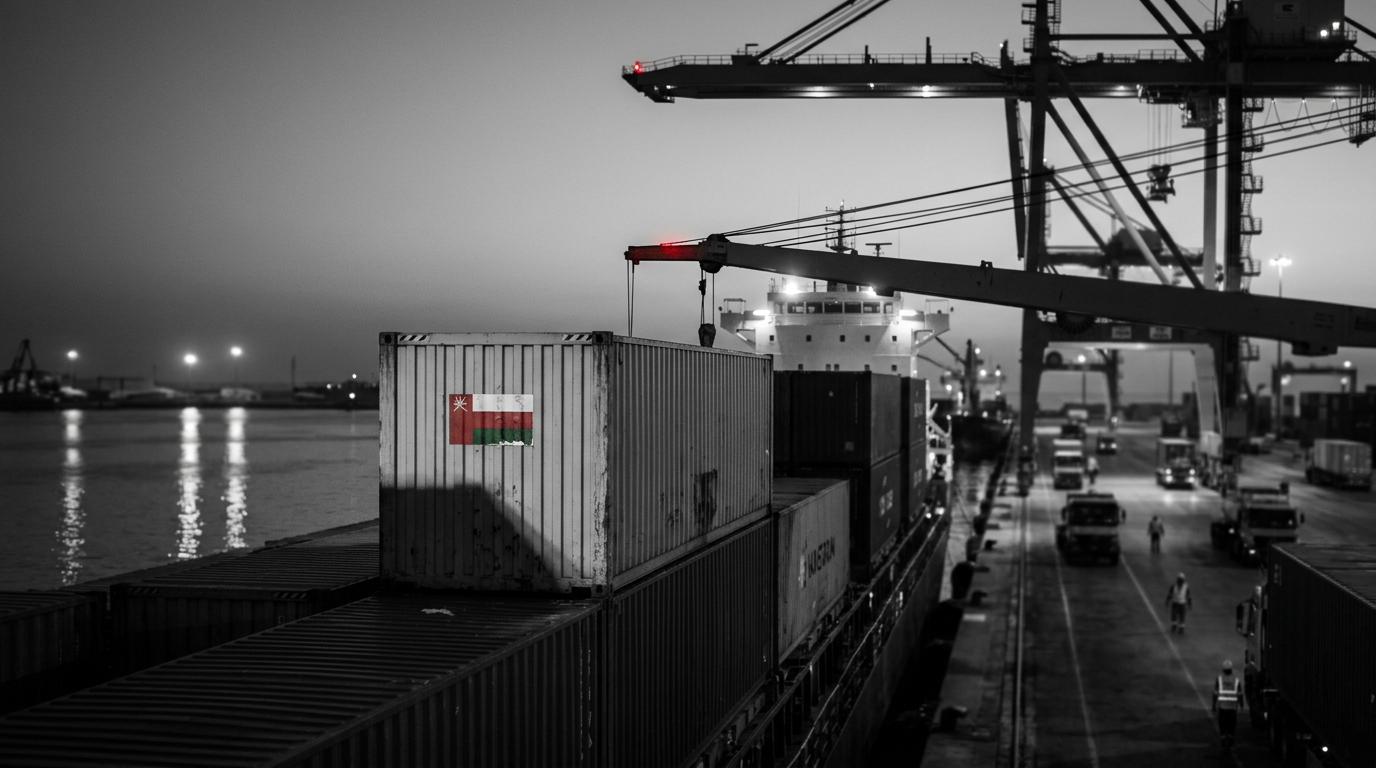
Washington has a new Gulf trade signal to read after Oman disclosed on September 19, 2026, that 16 food companies are seeking export channels into Russia and wider Eurasian markets. The effort, tied to World of Food Moscow 2026, lands in a policy lane where US sanctions enforcement, Gulf neutrality and Moscow’s outreach to non-Western partners overlap. The immediate business case is food exports, but the policy question for Washington is whether new third-country trade routes can stay clear of sanctioned Russian entities, banks and logistics networks.
Oman is a member of the Gulf Cooperation
Council, but it has long used a quieter diplomatic style than some of its neighbors. Muscat maintains security ties with the United States while keeping working relationships with powers Washington often treats as rivals, including Russia, China and Iran. That balancing role has made Oman useful to US officials at moments of regional stress, but it also means Muscat is unlikely to frame every commercial decision through Washington’s strategic priorities.
The US sanctions regime on Russia is broad, but not every product moving toward Russia is automatically prohibited. Food trade can sit outside the hardest restrictions, while payments, shipping, insurance, re-export routes and counterparties can still create compliance exposure if sanctioned banks, firms or individuals are involved. That is where Treasury, State and Commerce officials usually focus: not only on the item being sold, but on the network that moves it.
For the White House and National Security Council, the Omani move matters less as a single trade fair appearance than as evidence of how Gulf states are testing economic room outside Western channels. The Pentagon has a separate interest because Oman sits near the Strait of Hormuz, a maritime choke point central to energy flows and US naval planning. Congress may also watch whether Gulf partners are deepening commercial links with Russia while seeking continued US defense cooperation and market access.
World of Food Moscow 2026 gives that shift a visible venue. Trade fairs are not treaties, but they show which exporters, distributors and governments are willing to put commercial teams in the same room. Sixteen Omani firms is a modest number in global trade terms, yet it gives Moscow a chance to point to Gulf participation at a time when Western restrictions have pushed Russia to cultivate suppliers and buyers across Asia, the Middle East and Africa.
The commercial logic for Oman is clear enough. Like other Gulf economies, it wants non-oil sectors to carry more of the growth burden, and food products are easier to present as conventional trade than defense technology, finance or dual-use equipment. For Omani firms, Russia and Eurasia may offer new buyers, new distributors and an alternative to crowded Gulf and South Asian markets.
The Washington problem is that diversification and sanctions enforcement can collide even when neither side describes the issue that way. If Omani exporters use transparent contracts, clean banking channels and counterparties outside US restricted lists, the move may remain a low-temperature trade story.
If the same channels begin to handle restricted goods, opaque payments or Russian-linked intermediaries under sanctions, the issue becomes a test of how hard Washington is willing to press a friendly Gulf state.
By December 18, 2026, the clearest signal will be whether Oman or Russia announces signed export deals, distribution agreements or official trade follow-up from the Moscow fair, and whether US agencies respond with guidance, warnings or enforcement actions tied to third-country corridors. If new agreements remain limited to ordinary food exports with disclosed counterparties, the macro effect is likely to be small, Omani firms gain a narrow sales channel and the Gulf food sector reads Russia as another diversification market. If Washington identifies sanctions risk in the routing, financing or partners, the macro effect would be a tighter compliance environment for Russia-facing trade, Omani firms could face higher banking and shipping costs, and Gulf exporters would have a clearer warning that access to Eurasian markets carries US-policy friction. If no public deals or US actions follow, the episode will look more like commercial signaling than a durable shift in Gulf-Russia trade.