Oman weighs Strait of Hormuz transit fees
Officials said Oman has discussed charging commercial ships for navigation services in the Strait of Hormuz after recent US–Iran tensions.
Mateo Fernandez ·
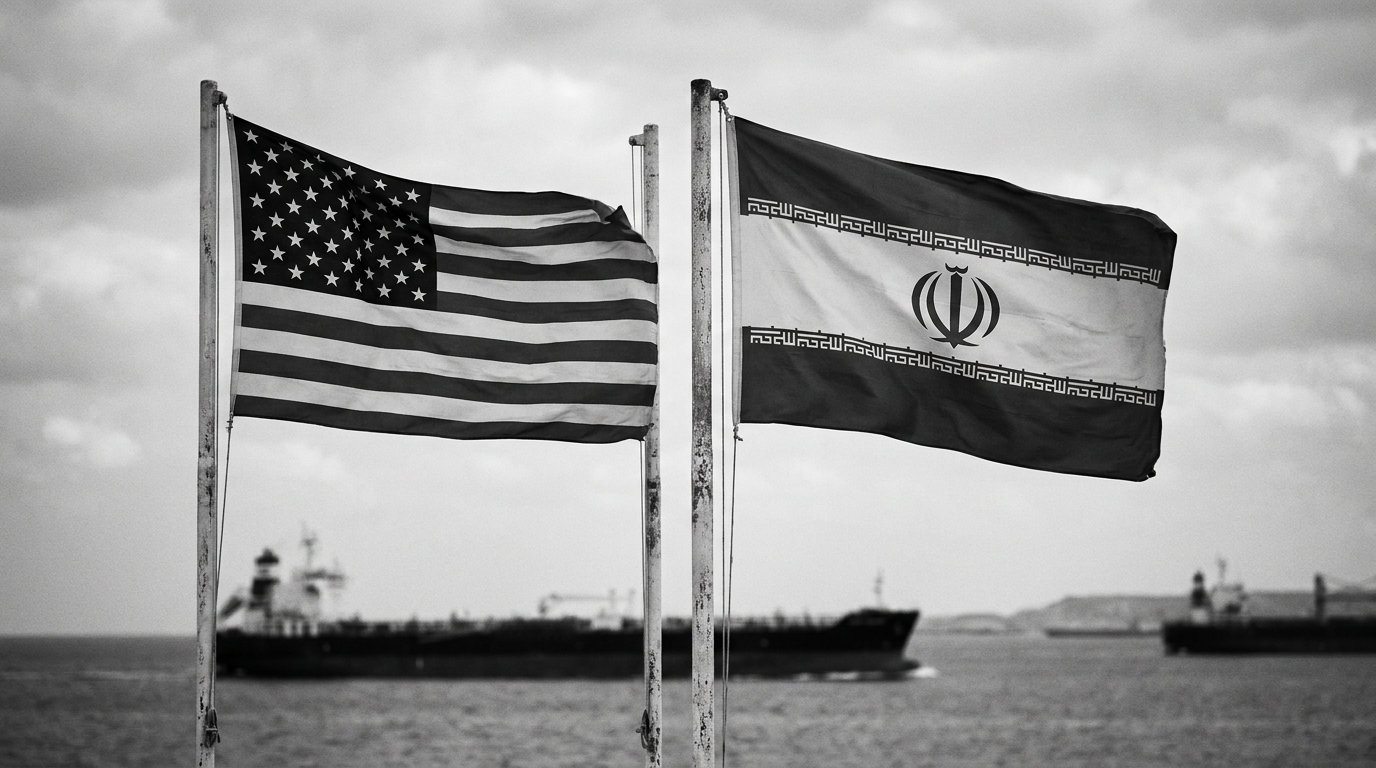
Officials said Oman has proposed a framework that would require commercial vessels transiting the Strait of Hormuz to pay fees for navigation services, a shift that could raise shipping costs through one of the world’s most important oil chokepoints. Reaction pending.
Strait of Hormuz fee framework
Officials said the concept would treat passage through the strait as a paid service tied to navigation support, rather than a route that is effectively free to traverse. The plan, if adopted, could add a new layer of cost for tanker operators and cargo owners and may be passed through to crude benchmarks and refined-product pricing via higher freight rates.
Officials said the proposal follows a period of heightened US–Iran tensions, adding to investor sensitivity around Middle East supply risks. Even without a disruption to physical flows, a formal fee regime could tighten effective supply by lifting the marginal cost of moving oil and petrochemicals out of the Gulf, particularly for longer-haul destinations where freight is a larger component of delivered prices.
Officials did not provide implementation details, including timing, fee levels, or whether exemptions would apply. The market focus will be on whether any policy change is coordinated with neighboring states and how it is communicated to shipowners, insurers, and maritime security operators.
Investors will watch for any official Omani decision or regulatory publication by July 7, 2026, and for any follow-up guidance to shipping and port authorities in the days immediately after.