India's Fertility Rate Declines
India's fertility rate has dropped to 1.9, below replacement level, signaling future population decline and potential economic challenges.
Atlas Newsdesk ·
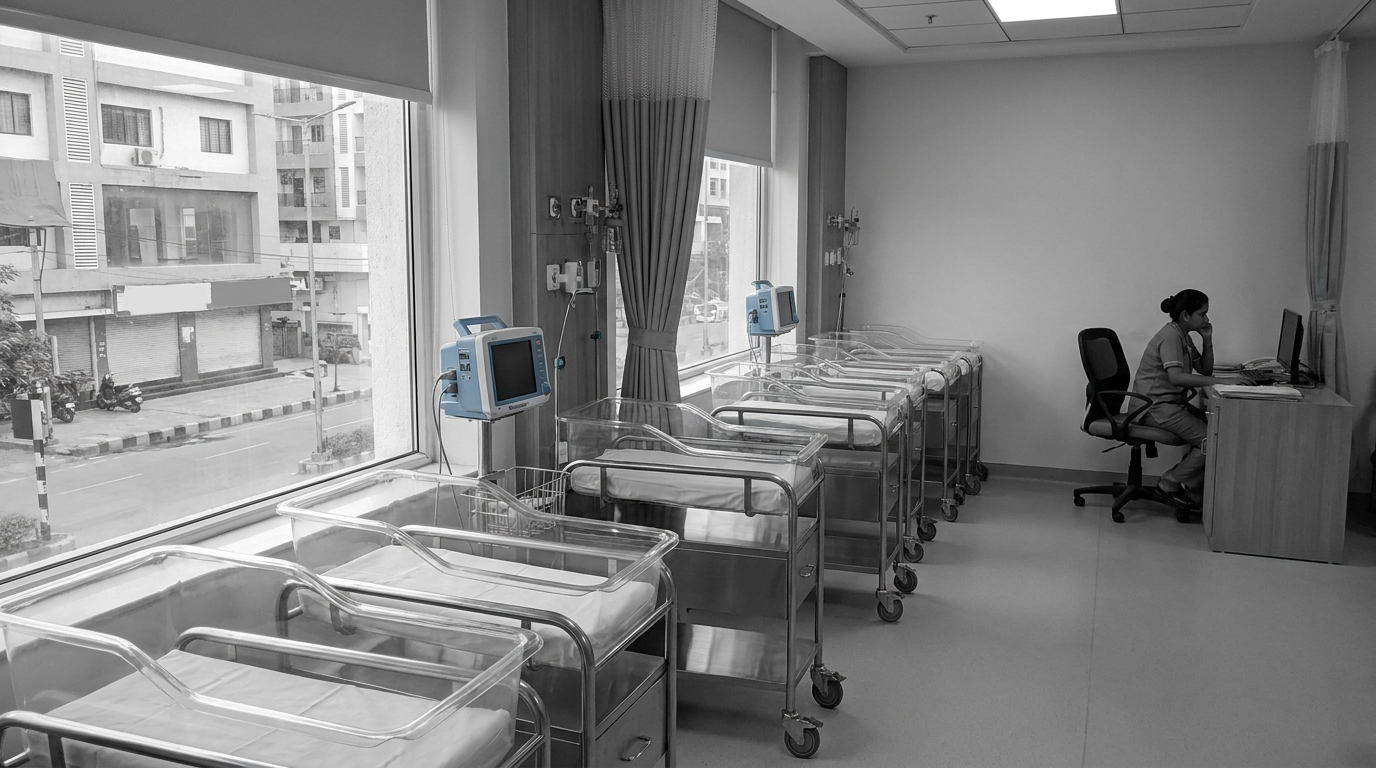
India's Total Fertility Rate (TFR) has fallen below the replacement level, reaching 1.9 children per woman, according to the Sample Registration System (SRS) Statistical Report released in May by the Office of the Registrar General and Census Commissioner. This development, occurring for the first time, indicates a potential future population decline and raises concerns about long-term labor shortages and an aging society in India. The benchmark for population stability is a TFR of 2.1.
The decline from approximately 3.3 births per woman in the 2000s is attributed to increased access to education and contraceptives, alongside rising costs of raising children. Improved infant mortality rates, which decreased from 30 per 1,000 live births in 2019 to 24 per 1,000 in 2024, also contribute to fewer desired births. Regional disparities persist, with states like Bihar recording a TFR of 2.9, while New Delhi and southern states like Tamil Nadu and Kerala show lower rates of 1.2 and 1.3, respectively, correlating with higher education levels and lower infant mortality.
This demographic shift could impact India's demographic dividend, a period where the working-age population outnumbers dependents. While India entered this phase in 2005, expected to last until 2055, a shrinking workforce due to sustained low fertility rates could hinder economic growth and create challenges in supporting an older population in the coming decades.