Mideast Conflict Threatens 2026 Oil Supply
Iran war disruptions are reshaping 2026 oil balances, with analysts now expecting a deficit and lifting Brent forecasts to $82.85.
Atlas Newsdesk ·
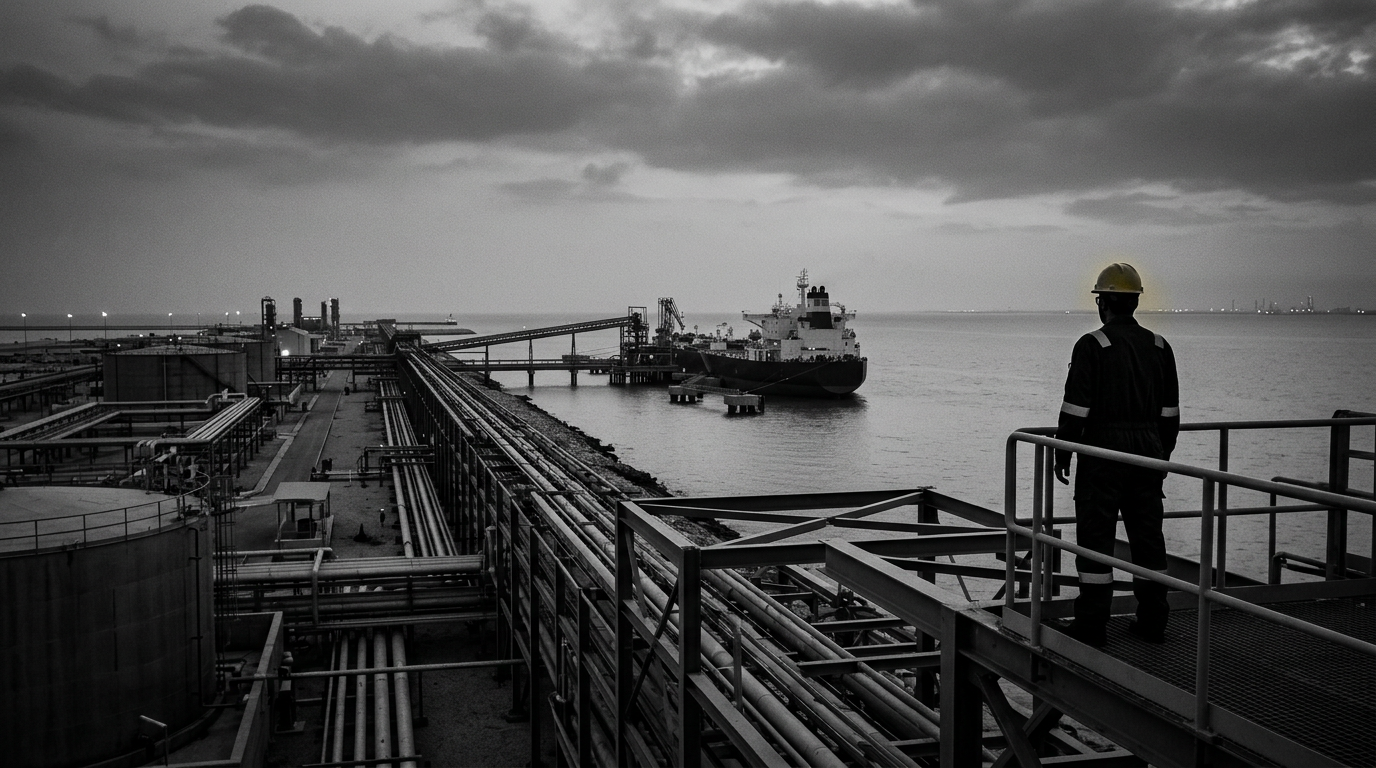
Global oil balances for 2026 are being redrawn after the Iran war disrupted supply routes and production. Analysts now expect the market to move into a deficit next year, reversing earlier projections that pointed to a surplus. The change follows disruptions linked to the conflict that began on February 28, when U.S. and Israeli strikes on Iran were reported to have affected flows through the Strait of Hormuz and led to production shut-ins and infrastructure damage.
Eight analysts polled by officials compiling the survey said they expect demand to exceed supply by an average of 750,000 barrels per day (bpd) this year. That view marks a sharp shift from a September poll that had forecast a 1.63 million bpd surplus for 2026. The revised outlook reflects the scale of supply losses and the sensitivity of global oil trade to disruptions around the Strait of Hormuz.
Supply estimates cited in the assessments vary, but all point to a significant reduction by late March. The International Energy Agency reported an 11 million bpd reduction in oil supply by the end of March, while ANZ bank estimated a 9 million bpd crude supply removal. For context, global oil supply was approximately 106.6 million bpd in January, underscoring how large the reported disruption is relative to the overall market.
Analysts also expect the conflict to translate into sustained production losses over the year. The average production loss is projected at 2.13 million bpd for the entire year, according to the same set of expectations. Within that, the steepest deficit is forecast for the second quarter, averaging 3 million bpd, before conditions are projected to ease later in the year.
By the fourth quarter, the market is projected to potentially swing back to a 1.4 million bpd surplus, indicating that the tightness may not be uniform across 2026. Even so, pricing expectations have moved higher alongside the tighter balance. Brent crude price forecasts for 2026 have risen by about 30% to $82.85 per barrel, reflecting the reassessment of supply risk and the possibility of prolonged constraints.
Analysts cautioned that some losses may not be temporary. They warned that 1 million to 2 million bpd of capacity could be permanently lost, a factor that could keep the market tighter than previously expected and contribute to price volatility. The scale and duration of infrastructure damage, the pace of any recovery from shut-ins, and the stability of flows through the Strait of Hormuz remain key uncertainties shaping the outlook.