Oil Prices Top $100 Amid Iran Geopolitical Tensions
Global oil prices surpassed $100 per barrel on Monday, driven by escalating geopolitical tensions involving Iran and supply stability concerns.
Atlas Newsdesk ·
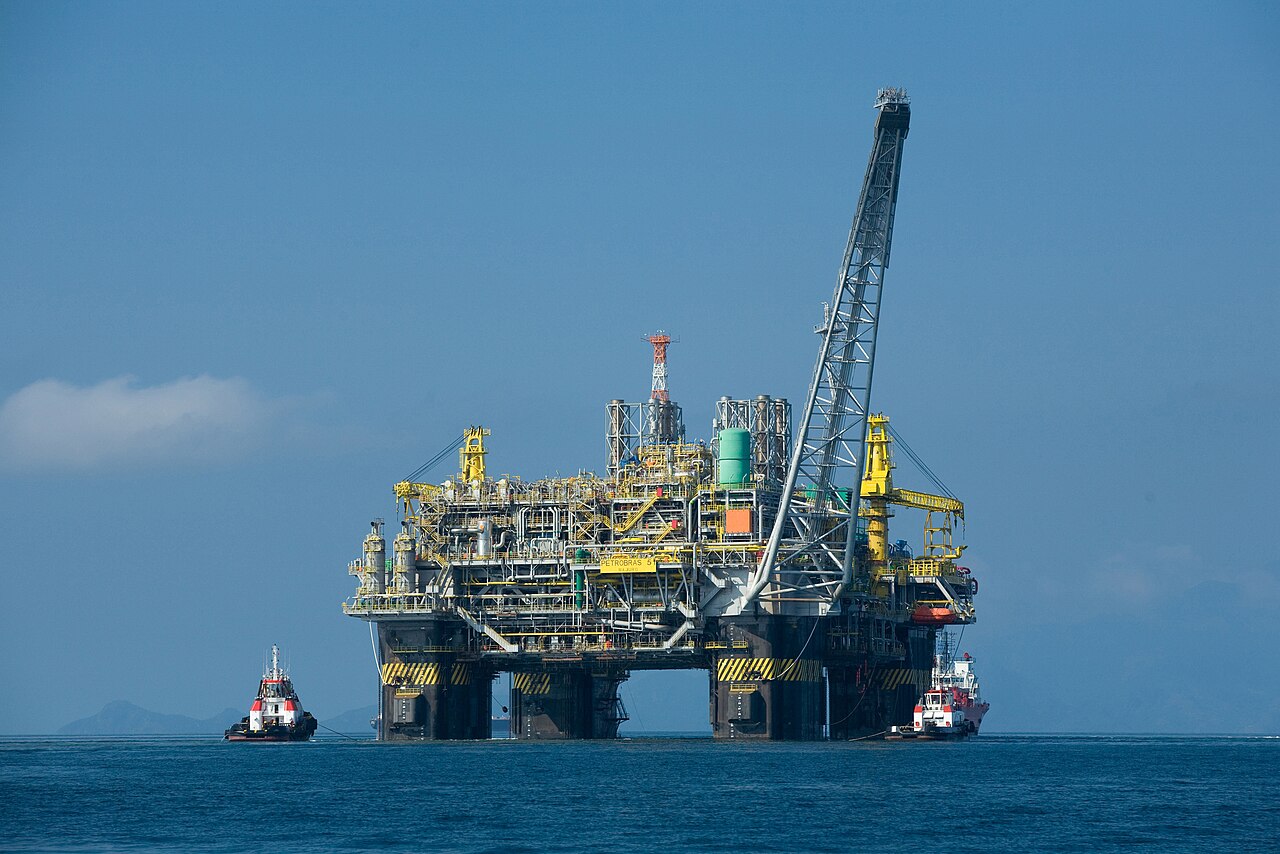
Global crude oil benchmarks exceeded $100 per barrel on Monday, driven by heightened geopolitical tensions surrounding Iran. Brent crude futures, the international standard, climbed to $101.20 per barrel, marking a 1.5% increase. Concurrently, West Texas Intermediate (WTI) crude futures, the U.S. benchmark, advanced by 1.8% to reach $100.85 per barrel.
This significant price movement reflects market apprehension regarding potential disruptions to global oil supplies. Recent declarations from Iranian authorities have fueled concerns about the stability of crude exports from the Middle East, a region central to global energy production. Traders are closely monitoring the situation for any developments that could further impact supply chains.
Geopolitical Drivers of Price Surge
The immediate catalyst for the price increase was a series of statements from Iranian officials. These communications hinted at possible retaliatory actions that could affect oil transit routes or production, in response to mounting international pressure. Such rhetoric often leads to speculative buying in energy markets, as participants price in future supply risks.
Historically, geopolitical instability in the Middle East has frequently translated into upward pressure on oil prices. The region accounts for a substantial portion of the world's crude oil output, making any threat to its stability a major concern for global energy security. Past conflicts and diplomatic impasses have consistently demonstrated this linkage.
Market Response and Economic Implications
Energy markets reacted swiftly to the news, with both Brent and WTI futures experiencing notable gains. The $100 per barrel threshold is often viewed as a psychological and economic benchmark, signaling increased costs for consumers and businesses worldwide. This level was last consistently seen during periods of significant supply-demand imbalance or geopolitical crises.
Sustained high oil prices typically translate into higher costs for transportation, manufacturing, and consumer goods. This can exacerbate inflationary pressures in economies globally, potentially influencing central bank monetary policy decisions. Governments may also face increased pressure to manage energy costs for their populations.
Outlook for Global Energy Costs
Analysts are now assessing the potential for these elevated prices to persist. The trajectory of oil prices in the coming weeks will largely depend on the evolution of the geopolitical situation involving Iran and the broader Middle East. Any de-escalation could temper prices, while further intensification of tensions might push them even higher.
Major oil-importing nations are particularly vulnerable to prolonged periods of high crude costs. Their economic growth forecasts could be revised downwards if energy expenses continue to climb, impacting trade balances and domestic consumption. The current market sentiment underscores the fragility of global energy supply chains in the face of political uncertainty.
Implications
Country Impact: Nations heavily reliant on oil imports, particularly in Europe and Asia, face increased inflationary pressures and potential economic slowdowns due to higher energy costs. Governments may need to consider subsidies or other measures to mitigate consumer impact.
Industry Impact: Industries with high energy consumption, such as transportation, manufacturing, and petrochemicals, will experience increased operational costs, potentially impacting profit margins and production levels. Airlines and shipping companies are particularly exposed.
Market Impact: Global equity markets may see volatility as investors react to inflation concerns and potential impacts on corporate earnings. Bond yields could rise as central banks face pressure to maintain hawkish stances, while the U.S. dollar might strengthen as a safe-haven asset.