

Oil tankers divert as U.S. Iran port blockade nears
Oil tankers diverted near Hormuz on April 13, 2026 as a U.S. blockade of traffic to and from Iranian ports is set for Monday.
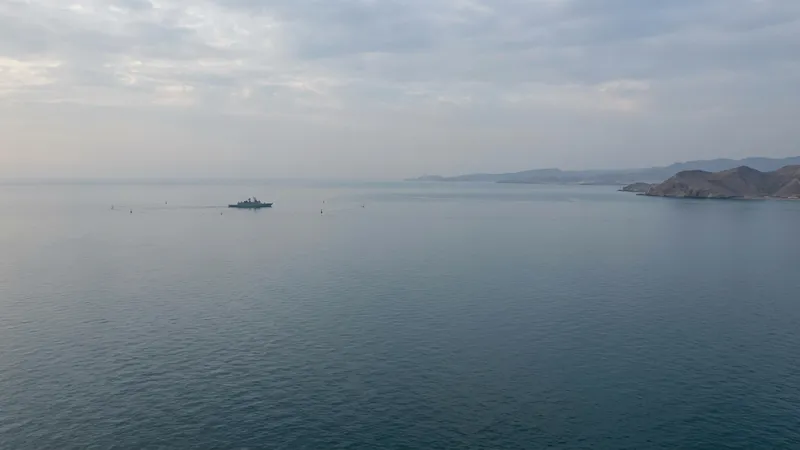
Oil tankers began adjusting routes around the Strait of Hormuz on Sunday, April 13, 2026, as operators positioned ahead of a U.S. blockade set to start the next day, according to shipping data. The shift followed the collapse of weekend peace talks between the United States and Iran, a setback that officials said put a two-week ceasefire at risk. Market participants tracked movements closely because the Strait of Hormuz is a key corridor linking the Arabian Gulf to global energy markets.
U.S. Central Command said U.S. forces will begin a blockade of all maritime traffic to and from Iranian ports at 10 a.m. ET (1400 GMT) on Monday. Officials said the measure would be applied without regard to flag, covering vessels of all nations that access Iranian ports and coastal areas. The scope includes Iranian coastal zones on both the Arabian Gulf and the Gulf of Oman, according to the announcement.
U.S. officials also said the action is not intended to restrict passage through the Strait of Hormuz for ships bound to non-Iranian ports. In that framing, vessels transiting the strait to destinations outside Iran would retain freedom of navigation. Even with that assurance, the approach of a time-specific enforcement window appeared to coincide with early operational changes by some shipowners and charterers, as reflected in tracking data.
Shipping data from LSEG and Kpler showed some tankers had already altered course by Sunday. One example cited in the data was the Malta-flagged very large crude carrier Agios Fanourios I, which had been expected to enter the Gulf to load Iraqi Basra crude. Instead, the vessel turned back and was reported anchored near the Gulf of Oman.
Other traffic continued into the Gulf on Sunday, indicating that not all operators made the same risk or scheduling decisions. Two Pakistan-flagged tankers, Shalamar and Khairpur, were shown entering the Gulf. The data indicated Shalamar was heading to the UAE, while Khairpur was bound for Kuwait, with the vessels expected to load crude and refined products, respectively.
The announcement’s stated distinction—blocking traffic tied to Iranian ports while allowing transit to non-Iranian destinations—creates operational questions that shipping data may clarify after Monday’s start time. The situation also remains tied to diplomacy after the weekend talks failed, leaving uncertainty around the durability of the two-week ceasefire referenced by officials.
More stories
- US, China discuss reciprocal nuclear-facility visits
- Burnham says Brexit vote faced Russian meddling in 2016
- Russian strikes hit Ukraine plants after Trump ceasefire statement
- Saudi flights divert after Dammam airport targeted
- US said to threaten Ukraine weapons, intelligence aid
- Riyadh airport hit again as Trump weighs US role
- Péter Magyar won the elections in Hungary: The Orbán era is over.
- US to Blockade Iranian Ports Starting April 13
- Trump's NATO Warning: Iran Conflict Looms Larger
- Trump Vows to Target Iranian Infrastructure