Oil steadies as US–Iran talks pause, Hormuz slows
Oil prices were steady on Aug. 17, 2026 as officials cited a pause in US–Iran talks and slower Strait of Hormuz traffic, lifting near-term risk.
Mateo Fernandez ·
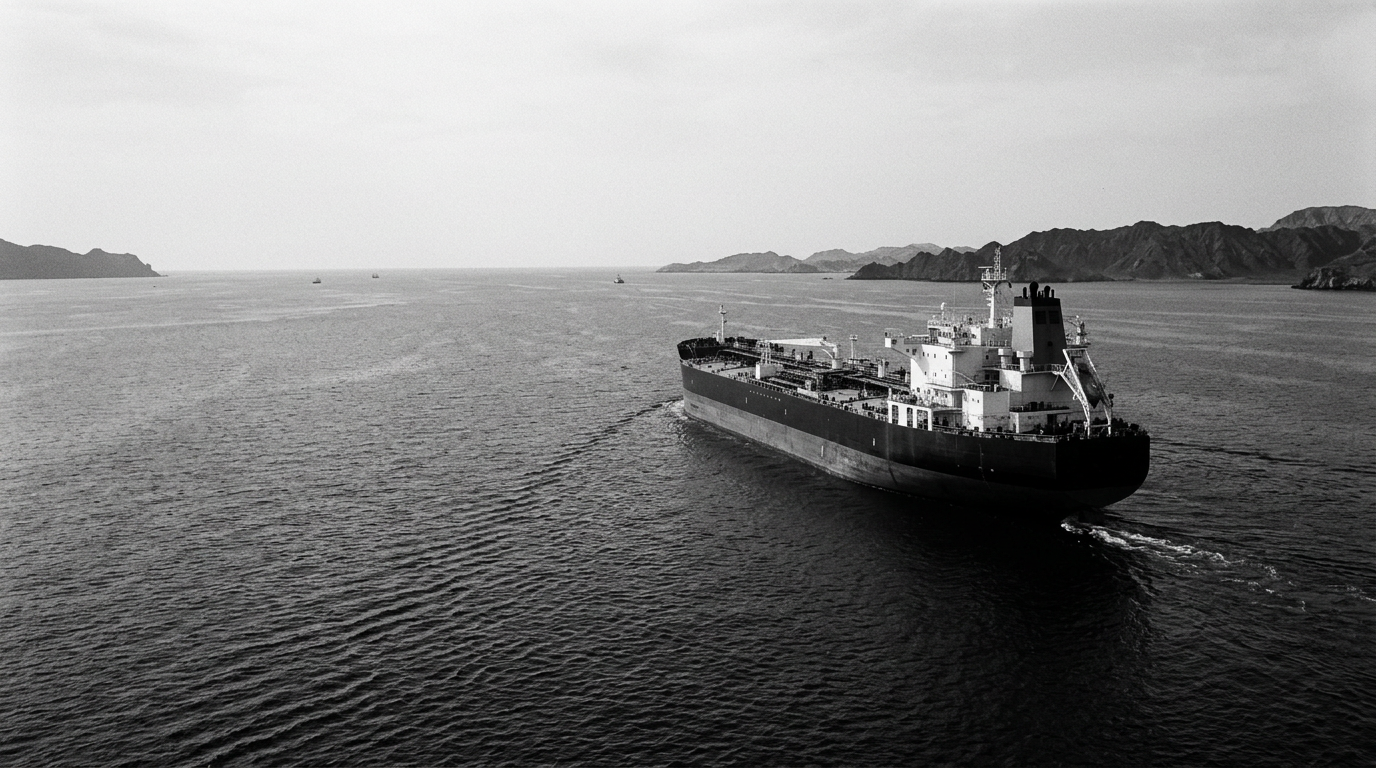
Oil prices were broadly steady on Aug. 17, 2026 as officials said US–Iran peace talks have been paused and commercial shipping through the Strait of Hormuz has slowed. Officials said the combination has increased near-term supply risk over the next 24 hours, even though the corridor remains open.
Officials described longer passage times for vessels using the Strait of Hormuz, citing delays and additional checks. They said the slowdown is measurable, but did not provide cargo totals or specific volumes linked to the delays.
Slower transits add logistical friction without a closure
Data showed the shipping corridor is still operating, but longer transits are widening uncertainty around crude movements. Officials said the immediate pressure point is market infrastructure and scheduling rather than any formal shutdown of the route.
Officials said timing can be as important as volume in physical oil markets, particularly when cargoes are planned tightly across multiple destinations. They added that refiners and traders that rely on precise shipment windows are likely to feel the sharpest operational strain in the near term.
Officials said longer passage times can extend delivery windows and complicate planning for companies moving crude by sea. They said market participants may react by rerouting some cargoes or shifting barrels into storage to bridge delays, which can push deliveries further out and reduce prompt availability.
Talks pause leaves traders with no timetable
Officials said negotiators have paused the US–Iran talks and that there is no public timetable for when discussions could resume. They said that, without clarity on timing, traders are treating the next steps as uncertain rather than scheduled.
Officials said the pause has lifted geopolitical risk premiums for oil in the near term. They said traders are pricing a narrower margin for error for shipments that pass through a key chokepoint for seaborne crude trade, with attention focused on whether current delays worsen or clear quickly.
Aug. 18 flagged as a near-term checkpoint
Officials pointed to Aug. 18, 2026 as a key near-term reference point. They said prompt supply pressure could ease if talks restart or if authorities issue guidance that helps speed up Hormuz transits.
Officials said that if the delays persist beyond that date, traders may reprice near-term physical spreads and freight costs. They said the central uncertainty remains the duration of additional checks and delays, given that the corridor is open but operating more slowly.
Officials said markets will continue to monitor whether transit times normalize quickly or remain extended, because the near-term impact is tied to the logistics of moving barrels on schedule rather than a change in overall production.