Oil rises as Strait of Hormuz accord nears final stage
Oil rose as Iran said a Strait of Hormuz accord with Oman was near completion, putting shipping control and US response in focus.
Cuneyd Erdogan ·
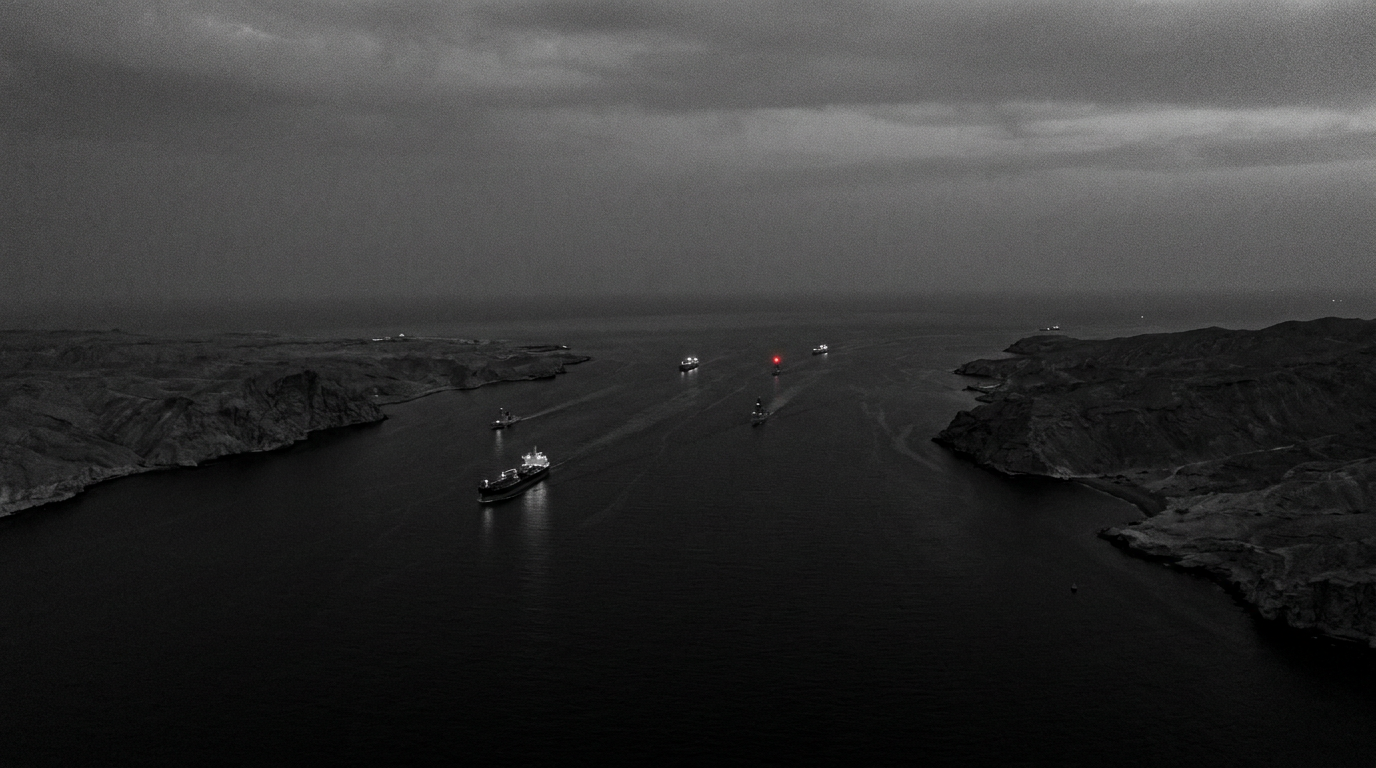
Oil rose as a Strait of Hormuz accord neared completion, with WTI near $93 and traders weighing tighter Iranian control over a key passage.
Brent settled at $97 on Monday, compared with WTI near $93, leaving the global benchmark above the US contract as shipping risk stayed central to pricing. Iran said the Oman accord is in its final stages and would create a temporary safe route through Hormuz.
Hormuz safe route narrows
The proposed arrangement would formalize a larger role for Tehran and Muscat over traffic through the strait, which both countries border. Iran and Oman could eventually charge transit fees, according to the terms described in the source material.
The timing puts Washington closer to a direct test of the route after American forces struck Iranian tankers over the weekend. Tehran also warned that ships near Oman face the risk of attack, adding a second pressure point for operators already rerouting, delaying or repricing voyages through the Gulf.
The US position is different: it wants Hormuz restored to its prewar status as an open passage for shipping. Washington is also blockading Iranian ports as part of an effort to curb exports from the Islamic Republic, setting up competing claims over how the waterway should be managed.
Flows fall from prewar levels
Oil and refined products are still leaving the Persian Gulf, but at a much lower pace than before the fighting. Macquarie Group Ltd. analysts said Monday that about 7 million barrels a day of crude and fuels are moving through Hormuz, compared with about 20 million barrels a day before the war.
That reduction gives the price move its broader force. Oil futures have climbed more than 30% since the conflict began at the end of February, while diesel and other refined fuels have advanced further as Middle East fighting has coincided with the Russia-Ukraine war.
The strait remains a narrow but central conduit between Gulf producers and global buyers. When fewer cargoes move through it, refiners face tighter access to feedstock, shippers face higher route risk, and end users face fuel markets that can react faster than crude benchmarks.
Aramco attack widens exposure
The risk is no longer confined to Hormuz. Saudi Aramco facilities in Jazan, near the Red Sea, came under fresh attack on Monday, though the strike did not cause major damage, according to people familiar with the matter.
For Saudi Aramco, the reported Jazan incident adds another site to the security map even without a major operational hit. For the wider industry, attacks near both the Gulf and the Red Sea complicate vessel planning, insurance pricing and the timing of cargo deliveries.
If the Iran-Oman safe route holds and cargo volumes stabilize near current levels, the macro effect would be a contained energy shock rather than a full supply break. In that case, Saudi Aramco would face elevated security costs, while refiners and tanker owners would price Hormuz as a managed but more expensive corridor.
If attacks expand or the US challenges the accord more directly, the mechanism changes from higher risk premia to lost or delayed barrels. That path would pressure global fuel costs, increase operational risk for Saudi Aramco and other regional producers, and force refiners to compete for replacement crude and diesel cargoes outside the Gulf.
The main open question is whether the temporary route becomes a workable shipping channel or another point of confrontation. Traders are now watching cargo counts through Hormuz, damage assessments at Jazan and any formal US response to the Iran-Oman plan.