Oil prices top $108 as Gulf energy routes face new threats
Oil prices rose above $108 a barrel after Gulf-Iran talks were canceled, Yemen fighting intensified and Saudi Arabia halted a key pipeline.
Omar Farouk ·
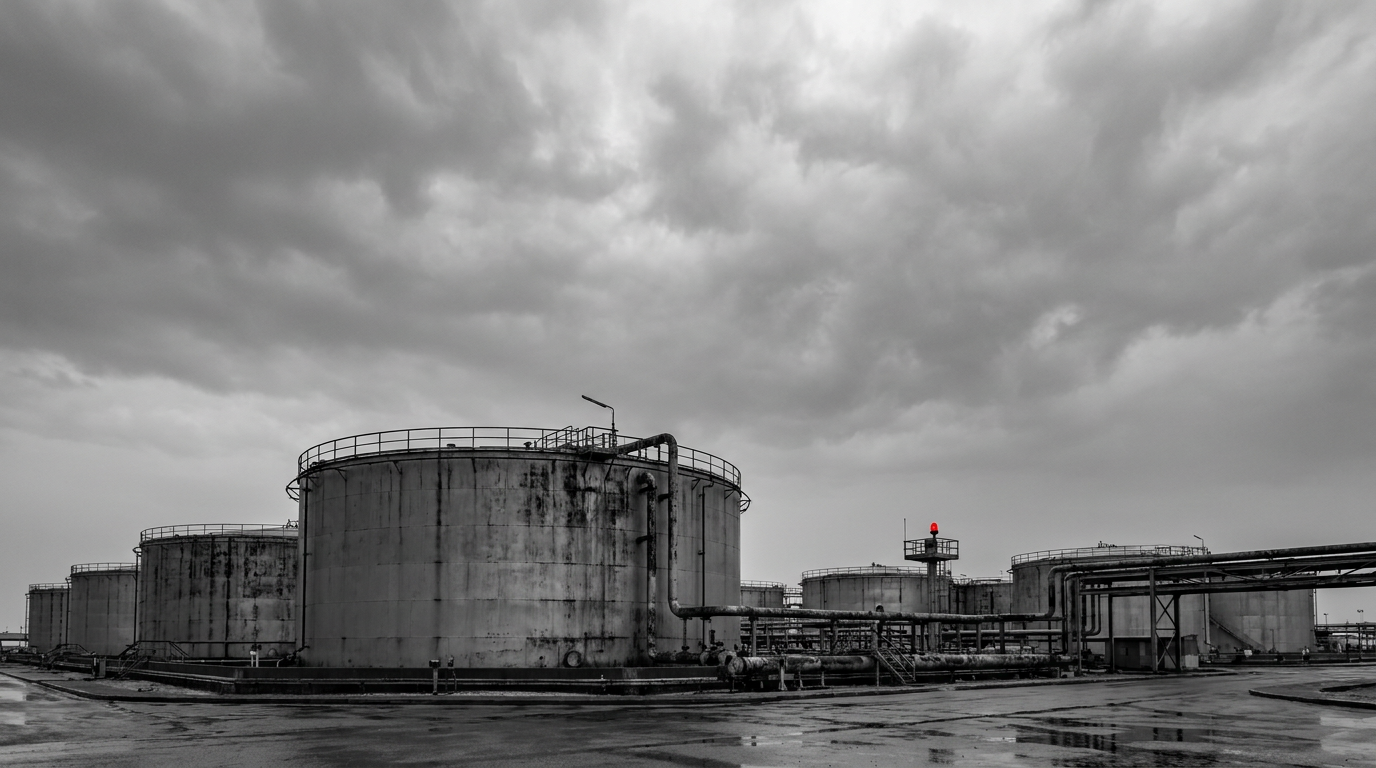
Oil prices rose above $108 a barrel after Gulf-Iran talks were canceled, Yemen fighting intensified and Saudi Arabia halted a pipeline.
The move put attention back on two regional trade routes named in the report: the Strait of Hormuz and Bab el-Mandeb. The immediate market issue is whether attacks, warnings and failed diplomacy translate into actual limits on energy flows.
$108 oil resets Gulf risk
The price rise followed several linked developments across the Gulf and Red Sea corridor. Scheduled talks between Gulf states and Iran set for Monday were called off, removing a diplomatic channel at a point when shipping security was already under scrutiny.
Fighting in Yemen also intensified, according to the source material, adding concern about trade curbs through Bab el-Mandeb as well as the Strait of Hormuz. Those waterways matter because they sit on routes used for regional energy shipments, even though the source did not provide verified volume figures.
Saudi Arabia also halted its East-West Pipeline after drone attacks that were blamed on Iran-backed militias in Iraq. The attribution remains a claim from the source material; no second independent confirmation was provided in the text supplied.
Saudi warning widens the alert
The Saudi government warned residents in southern cities near Yemen that missile and drone attacks were possible. That warning points to a broader security problem for Riyadh: the risk is not only at sea, but also near land infrastructure tied to domestic security and export resilience.
The East-West Pipeline is important in this account because it offers a route across Saudi territory rather than through the Gulf chokepoint. A halt to that line narrows the kingdom’s flexibility if maritime risks also rise, although the source did not provide capacity, duration or repair details.
For energy companies, refiners and traders, the practical concern is timing. A short operational pause can be managed through inventories and rerouting; a longer stoppage would force buyers and sellers to reassess cargo schedules, insurance costs and delivery risk.
Iran reports deepen uncertainty
Iranian and Emirati leaders met on the sidelines of a BRICS summit in India, showing that diplomatic contact had not disappeared entirely. The meeting, however, sat beside a separate report that Tehran and allied groups were trying to disrupt the region’s limited stability.
A separate account said Iranian President Masoud Pezeshkian was surprised when factions in Iran’s armed forces attacked three commercial ships in Hormuz in July. That report said the attacks helped unravel an agreement reached with Washington weeks earlier.
The same account attributed the possibility of autonomous military action to the new supreme leader’s limited visible role since taking office in March. Because those claims concern internal Iranian decision-making and come from a single secondary account in the supplied material, they should be treated as reported allegations rather than established fact.
Three paths for crude markets
If the pipeline halt proves brief and Gulf-Iran contacts resume, the macro effect would likely center on a reduced risk premium rather than a supply shock. Saudi Arabia would regain some operational flexibility, while shippers and refiners would still price in higher insurance and security costs until attacks clearly subside.
If fighting in Yemen keeps pressure on Bab el-Mandeb while Hormuz remains tense, the issue becomes a two-chokepoint problem. That would increase uncertainty for global crude buyers, complicate Saudi export planning and force the wider energy sector to examine rerouting options, vessel availability and contract terms.
If factions inside Iran are acting with limited central control, as the report suggested, diplomacy becomes harder to convert into stable security outcomes. Under that scenario, the macro risk is recurring price volatility; for Saudi Arabia, the company and state infrastructure exposure remains acute; for the industry, shipping risk becomes less tied to formal talks and more tied to on-the-water incidents.
The main open questions are whether the East-West Pipeline halt lasts beyond the immediate security alert, whether Monday’s canceled talks are rescheduled, and whether further attacks occur near Hormuz or Bab el-Mandeb. Until those answers are clearer, oil prices will remain tied less to demand data than to the credibility of regional de-escalation.