Oil prices steady as US-Iran Doha talks face doubts
Oil prices held gains ahead of US-Iran talks in Doha as mixed signals and a Strait of Hormuz fee dispute kept traders cautious.
Atlas Newsdesk ·
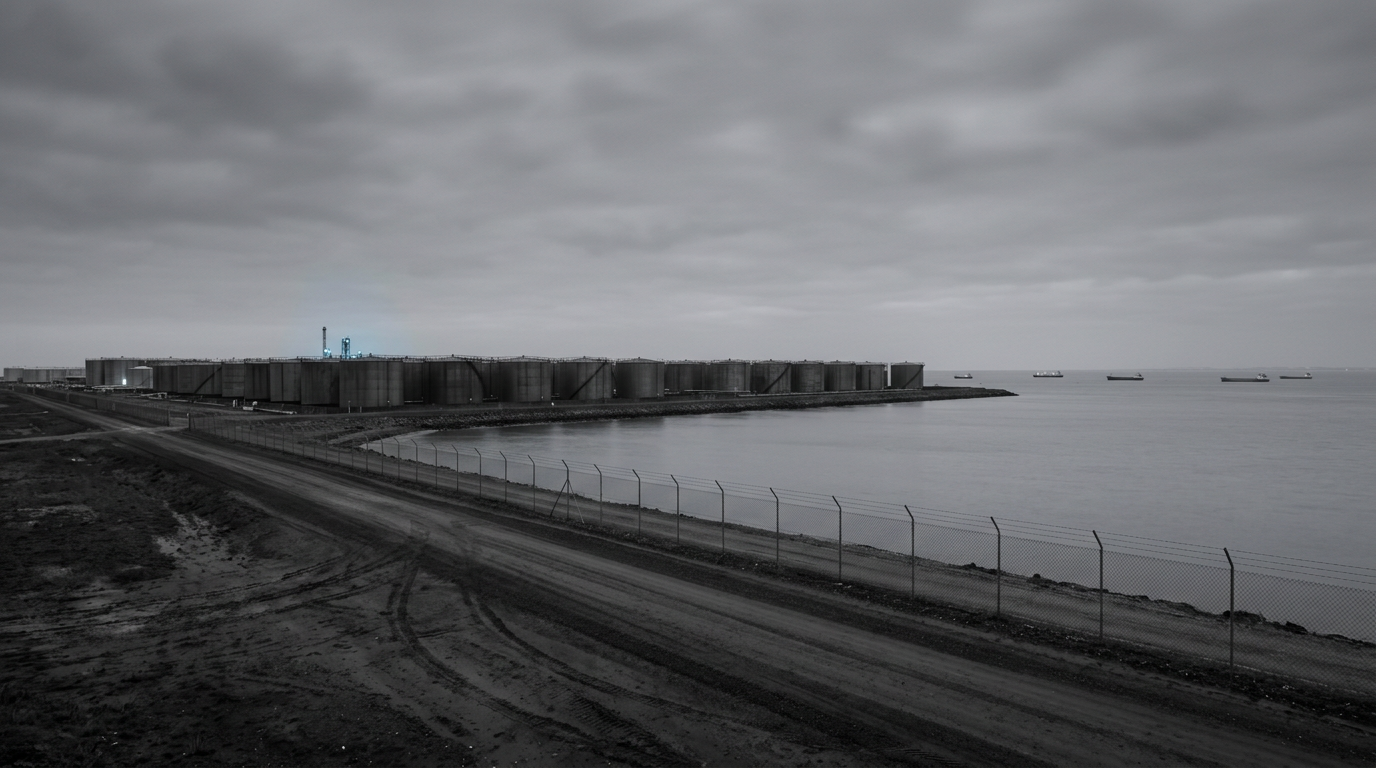
Oil prices held onto a recent rebound as the US and Iran prepared for talks in Doha, with both sides sending mixed messages on whether negotiations will move forward.
West Texas Intermediate traded near $70 a barrel after rising 2.2% on Monday, while Brent settled around $73. The steady pricing reflected both hopes of de-escalation and uncertainty over the next steps in diplomacy to end the four-month war.
Doha meeting set, but format remains contested
Washington said discussions are scheduled to start Tuesday in Doha. Tehran, however, said it will dispatch a delegation of experts while ruling out direct negotiations, underscoring the gap between expectations on the two sides.
The uncertain format matters because the current arrangement is temporary and leaves key questions unresolved. Investors are watching closely for any sign the talks could broaden into a more durable framework that reduces shipping and supply risks.
The dispute is also playing out publicly. Iran’s Deputy Foreign Minister Kazem Gharibabadi said Tehran would continue with plans to oversee traffic through the Strait of Hormuz “if for any reason Oman is not interested in doing so” jointly.
Strait of Hormuz management and fees in focus
Hormuz is a narrow passage essential to global energy flows, and even limited disruption can ripple quickly through oil prices. Comments about who manages traffic there highlighted tensions over control and rules for transit.
Under the current interim agreement, Iran is not supposed to charge tolls for 60 days. The same deal leaves open the possibility that some type of fee could be imposed after that period, a prospect opposed by the US, European governments and Gulf Arab nations.
For traders, the fee question is tied to a broader concern: whether shipping lanes will return to predictable operations or remain exposed to sudden policy shifts. A clearer outcome in Doha could reduce the risk premium embedded in prices, while a stalemate could keep volatility elevated.
Tanker traffic shows resilience after weekend attack
Vessels continued to transit the Strait of Hormuz despite an attack on a laden supertanker over the weekend, according to Bloomberg. Traffic in the chokepoint slowed after a flare-up that saw two ships hit, but it did not stop.
That resilience is significant for physical oil markets. Tanker owners, insurers and crews ultimately determine whether supply can move at scale, and their willingness to keep sailing through Hormuz is a prerequisite for normalizing flows.
Signs that companies and crews are prepared to navigate the strait suggest some near-term stabilization, even as diplomacy remains uncertain. If traffic continues and the talks produce operational clarity, more supply could reach global markets with fewer interruptions.
Next, markets will track whether the Doha discussions expand beyond expert-level engagement, and whether any commitments address Hormuz governance and potential tolling after the 60-day window. Any new incidents at sea, or shifts in the US-Iran negotiating posture, could quickly alter sentiment and oil prices.