Oil prices edge up after Iranian strikes
Oil futures rose on July 9, 2026, after reports of attacks on Gulf states and a ballistic missile strike near a US base raised near-term supply risk.
Mateo Fernandez ·
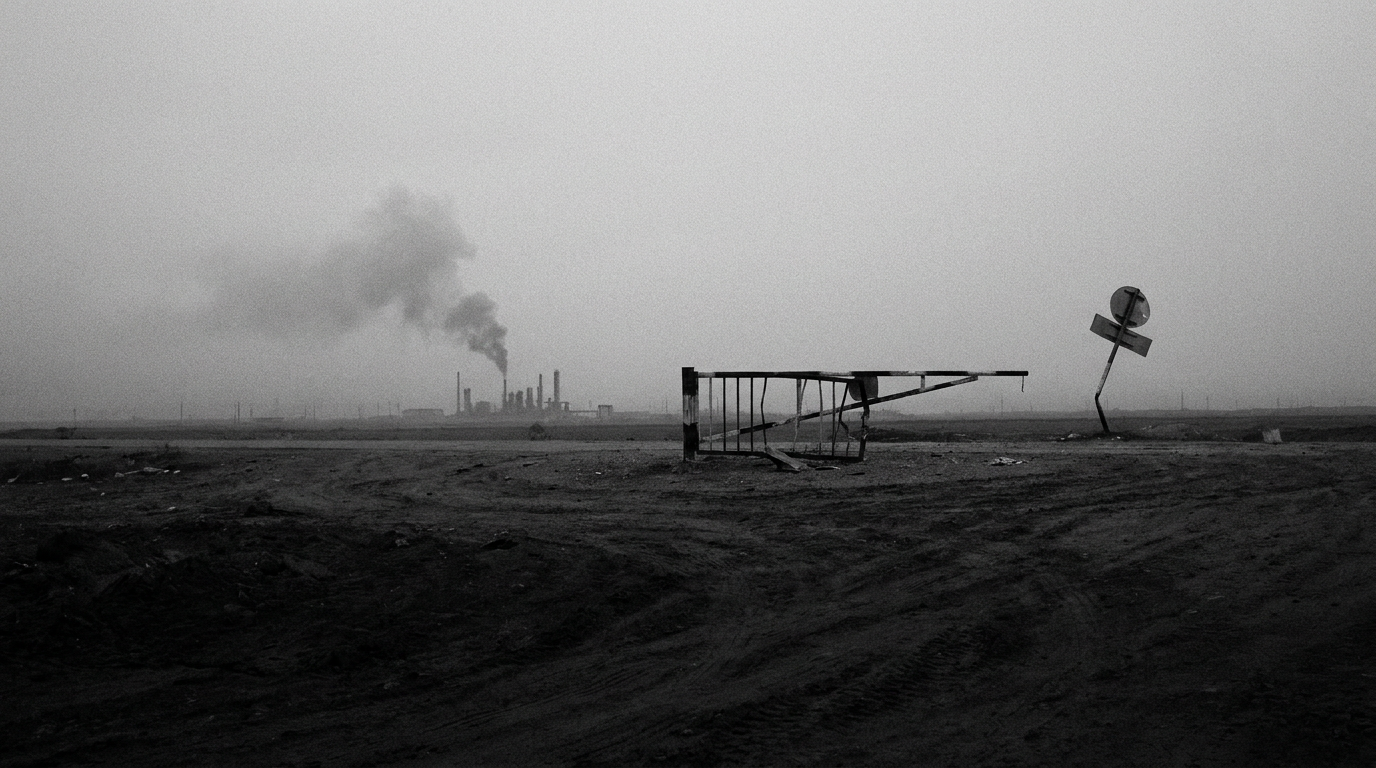
On July 9, 2026, oil prices edged higher after reports that attacks across the Gulf and a ballistic missile strike near the Al-Azraq base in eastern Jordan targeted facilities and US positions. Officials said the incidents followed earlier strikes on Bahrain, Qatar and Kuwait, and oil traders priced the events as a near-term supply risk.
Missile strike near Al-Azraq base
Energy market participants said concerns center on logistics and insurance costs rather than immediate physical shortages. Firms that manage tanker cargoes and refinery feedstocks typically reassess route plans and coverages after such incidents; if attacks disrupt port operations or force temporary shutdowns, deliveries could be delayed and prompt prices pushed higher.
Oil market analysts noted that sustained escalation would have clearer supply consequences, while isolated strikes tend to boost volatility more than volumes. Officials said military confirmations and diplomatic statements are expected in the next 24–48 hours, and those updates will guide near-term market moves.
Monitor official military and governmental statements through July 10, 2026, for confirmations that will determine whether the current price impulse is transitory or persistent.
Officials said ballistic missiles struck near the Al-Azraq installation, one of several recent incidents that have focused attention on regional security. Data showed traders responded by widening crude spreads and reducing immediate seller interest, a pattern consistent with a short-term risk premium in energy markets.