Oil Prices Soar Amid Escalating Middle East Conflict
Oil prices have surged over 40% this month due to escalating U.S.-Israeli-Iran conflict, threatening supply and shipping in the Middle East.
Lauren Collins ·
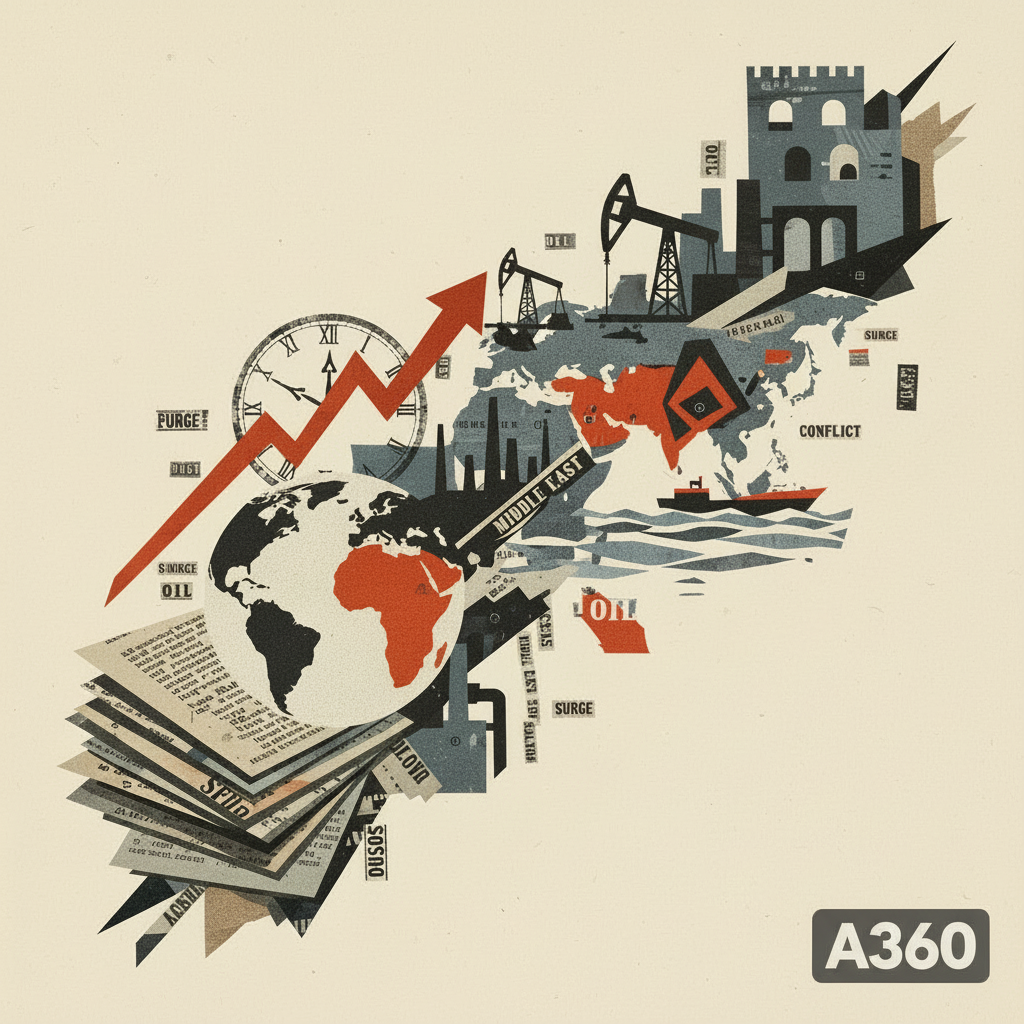
Global crude oil benchmarks have experienced significant upward movement, with both Brent and U.S. West Texas Intermediate (WTI) futures climbing over 40% this month. This surge, marking the highest levels since 2022, is directly linked to an intensifying conflict in the Middle East involving the U.S., Israel, and Iran, which entered its third week on March 15, 2026. The escalating tensions have raised concerns over the security of critical oil infrastructure and maritime transit routes.
Geopolitical Tensions Drive Market Volatility
The current market volatility stems from a series of military actions. S. and Israeli forces conducted strikes against Iranian targets, including the vital Kharg Island oil export hub. In retaliation, Iran initiated drone attacks on an oil terminal located in Fujairah, United Arab Emirates, although operations at that facility have since resumed.
These events have directly impacted shipping through the Strait of Hormuz, a chokepoint essential for approximately one-fifth of the world's oil supply.
Supply Disruptions and Strategic Reserves
The International Energy Agency (IEA) has issued projections indicating a substantial reduction in global oil supply. The agency forecasts an 8 million barrels per day (bpd) decrease for March, primarily due to ongoing shipping disruptions. Concurrently, Middle Eastern oil producers have collectively announced a 10 million bpd cut in their output, further tightening the global supply.
In response to these developments, the IEA has authorized the release of an unprecedented 400 million barrels from strategic petroleum reserves, with Japan commencing its portion of the release this week.
Diplomatic Stalemate and Outlook
Diplomatic efforts aimed at de-escalating the conflict and securing a ceasefire have thus far been unsuccessful. Both the Trump administration and Iran have reportedly rejected proposals for a cessation of hostilities, suggesting a potentially prolonged period of instability in the region. This diplomatic impasse contributes to the uncertainty surrounding future oil supply and price stability.
Economic and Market Implications
The sustained increase in oil prices carries significant economic implications for global markets. Higher energy costs can fuel inflationary pressures, impacting consumer spending and corporate profitability across various sectors. Industries reliant on transportation and manufacturing are particularly vulnerable to these price shocks.
Furthermore, the geopolitical risk premium embedded in current oil prices reflects broader concerns about regional stability and its potential to disrupt global trade flows and economic growth. The situation underscores the interconnectedness of geopolitical events and commodity markets, with direct consequences for international finance and trade policies.
Implications
Country Impact: The ongoing conflict in the Middle East poses significant risks to regional stability, potentially drawing in more actors and exacerbating humanitarian crises. Countries heavily reliant on oil imports face increased economic strain due to rising energy costs, impacting national budgets and inflation rates.
Industry Impact: The energy sector, particularly oil and gas, is experiencing heightened volatility and increased revenue for producers, while industries like transportation, manufacturing, and petrochemicals face higher input costs. Shipping and logistics companies are navigating increased risks and insurance premiums for routes through the Strait of Hormuz.
Market Impact: Global financial markets are reacting to increased geopolitical risk, leading to higher oil prices and potential inflationary pressures. Equity markets may see downturns in sectors sensitive to energy costs, while bond markets could reflect increased demand for safe-haven assets and expectations of tighter monetary policy to combat inflation.