Oil jitters as Strait of Hormuz tensions escalate
Renewed confrontations near the Strait of Hormuz on July 14 pushed crude prices higher and raised concerns about Gulf shipping and supply.
Mateo Fernandez ·
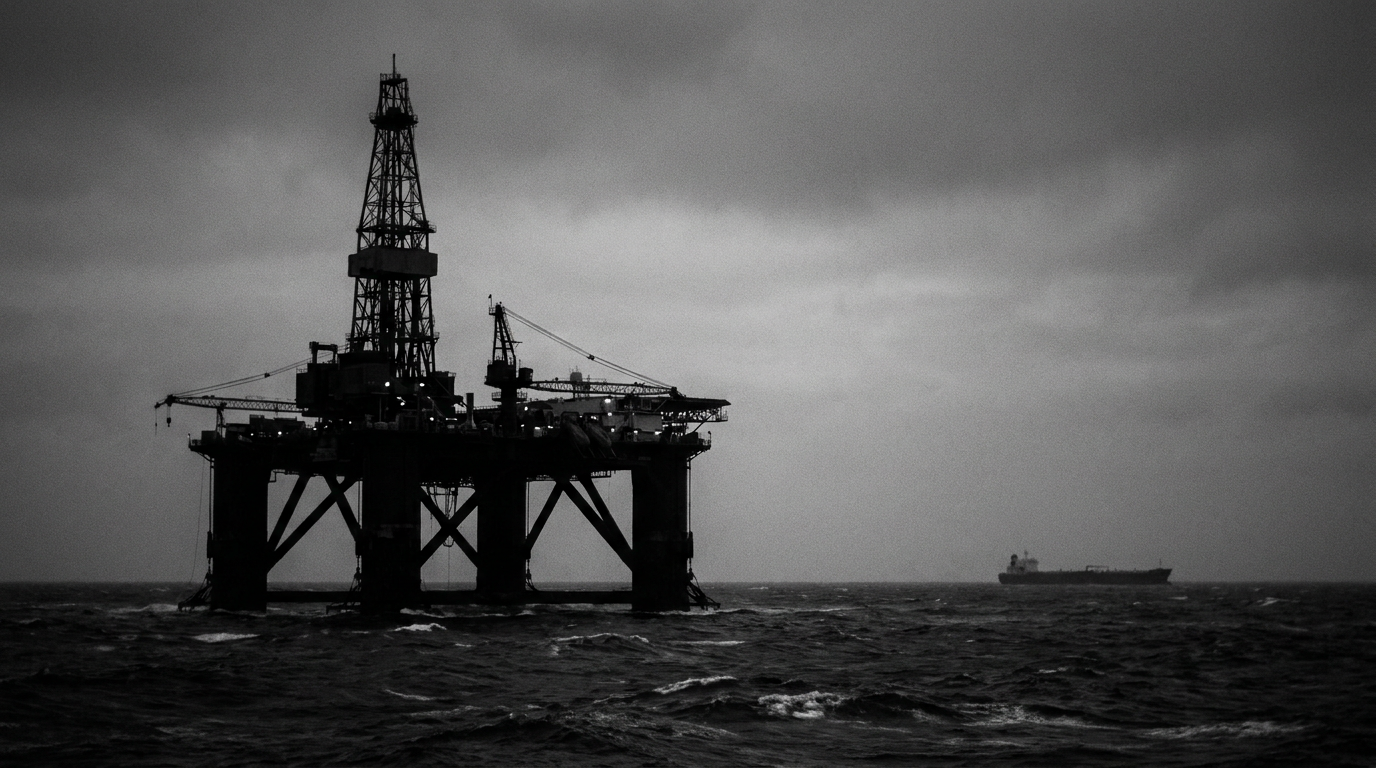
On July 14, 2026, officials reported renewed confrontations around the Strait of Hormuz, the Gulf shipping chokepoint, heightening concerns about oil supply and prompting a rise in crude prices. Oil traders moved to reprice risk across tanker routes and freight costs.
Naval activity near Hormuz
Officials said US and Iranian forces have each increased patrols and interdiction operations in and around the strait, and competing control claims have been publicly asserted. Data showed tanker transits were delayed in the 24 hours after the incidents were reported; shipping firms told officials they were reviewing routing and insurance exposures.
Officials said several commercial operators suspended or rerouted voyages through the immediate corridor; those steps reduce throughput on the shortest route but increase voyage times and costs. Energy firms with Gulf crude loading scheduled in the coming days signalled monitoring of loading windows and offtake timings.
Markets will watch whether naval activity escalates or de-escalates before July 17, 2026, when a series of planned Gulf crude loadings and chartering decisions are due. If interdictions continue through that date, expect wider displacement of shipments, higher freight and insurance premia, and further upward pressure on benchmark crude; if patrols ease, shipping patterns and prices could stabilize within days.