Oil Prices Dip After US Issues Russian Oil License
Oil prices dipped after the U.S. issued a 30-day license for Russian oil, aiming to stabilize global energy markets amid Middle East tensions.
Atlas Newsdesk ·
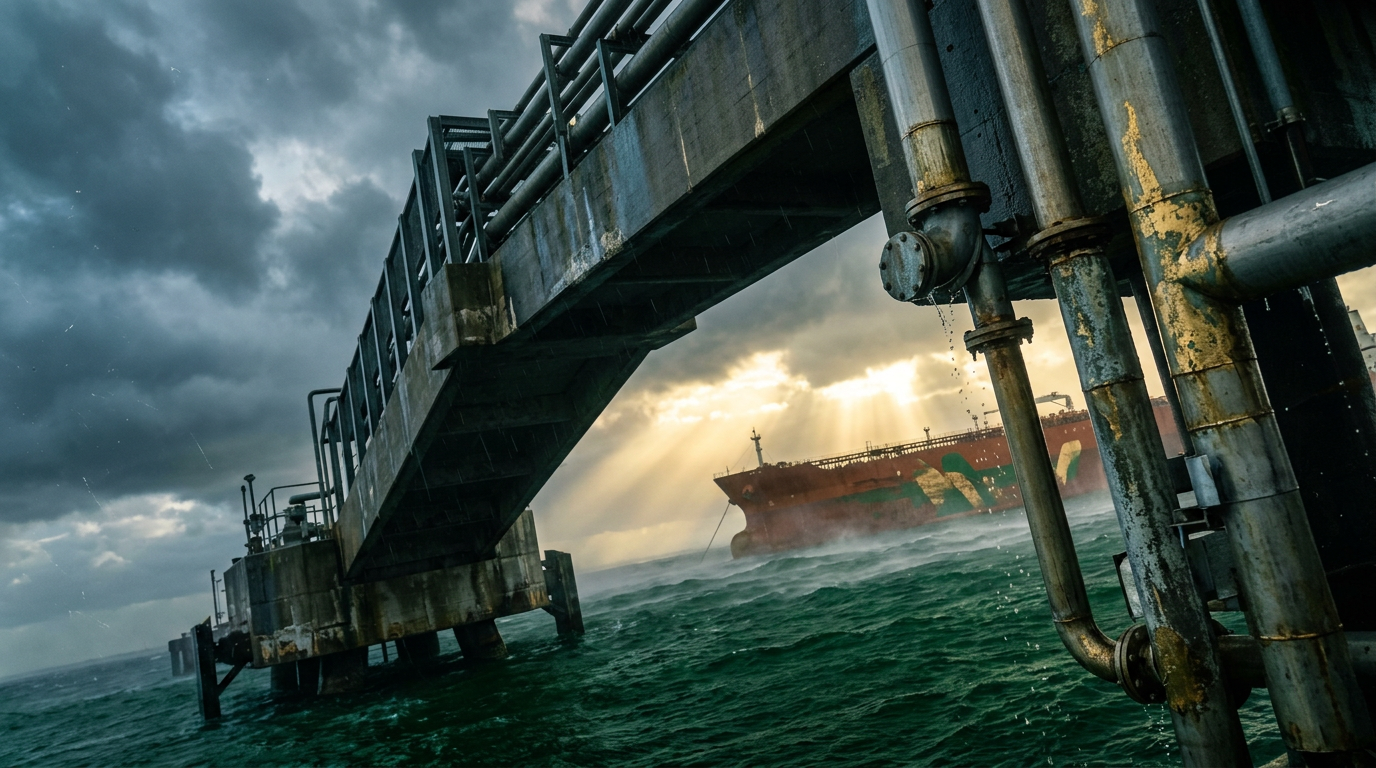
Global crude oil prices experienced a decline on Friday following an announcement from the United States Treasury Department. The U.S. issued a 30-day general license, allowing nations to acquire Russian oil and petroleum products that are currently in transit at sea. This measure is intended to mitigate immediate supply anxieties within the global energy markets.
Brent crude futures saw a reduction of 0.71%, settling at $99.75 per barrel. Concurrently, U.S. West Texas Intermediate (WTI) crude decreased by 0.92%, reaching $94.85. These price adjustments occurred after both benchmarks had recorded significant gains on Thursday, with increases exceeding 9% and reaching levels not observed since August 2022.
US Policy Shift and Market Response
The decision to issue the temporary license was confirmed by Treasury Secretary Scott Bessent. The stated objective is to foster stability in international energy markets, which have been affected by geopolitical tensions. S. Energy Department to release 172 million barrels from its Strategic Petroleum Reserve.
These releases are part of a broader coordinated initiative with the International Energy Agency, which has pledged to release a record 400 million barrels from its member countries' strategic stockpiles.
Geopolitical Factors and Supply Concerns
Despite these supply-side interventions, ongoing geopolitical risks in the Middle East continue to exert upward pressure on oil prices. These risks include threats from Iran regarding the closure of the Strait of Hormuz, a critical maritime chokepoint for global oil shipments. Recent incidents, such as attacks on tankers in Iraqi waters, further contribute to market volatility.
In response to these regional challenges, the U.S. Navy is reportedly evaluating options for escorting commercial vessels through the Strait of Hormuz. Additionally, Saudi Arabia has begun diverting some of its oil tankers through its East-West pipeline to bypass potential disruptions in the Strait. Iran, meanwhile, is reportedly permitting a limited volume of tanker traffic, primarily destined for China.
Broader Market Implications
The temporary license for Russian oil aims to inject additional supply into the market, counteracting some of the upward price pressures stemming from Middle Eastern instability and broader supply chain concerns. The interplay between strategic reserve releases, temporary licensing, and persistent geopolitical risks creates a complex environment for global oil markets. S.
license, as well as any further developments in the Strait of Hormuz, which could significantly influence future price trajectories.
Implications
Country Impact: The U.S. license aims to stabilize global energy markets, potentially easing inflationary pressures domestically and internationally by increasing oil supply. This could also influence diplomatic relations with countries reliant on Russian oil.
Industry Impact: The energy sector, particularly oil producers and refiners, will experience fluctuating prices. Shipping and maritime industries face continued risks in the Middle East, potentially increasing insurance costs and rerouting decisions.
Market Impact: Global oil prices are directly impacted, with potential for short-term stabilization due to increased supply. However, geopolitical risks in the Middle East continue to pose significant upside risks to prices, affecting equity markets and inflation expectations.