Nvidia B300 Server Chips Reach $1 Million in China's Black Market
Following US export restrictions, Nvidia's advanced B300 AI server systems are reportedly selling for nearly $1 million on China's black market.
Cuneyd Erdogan ·
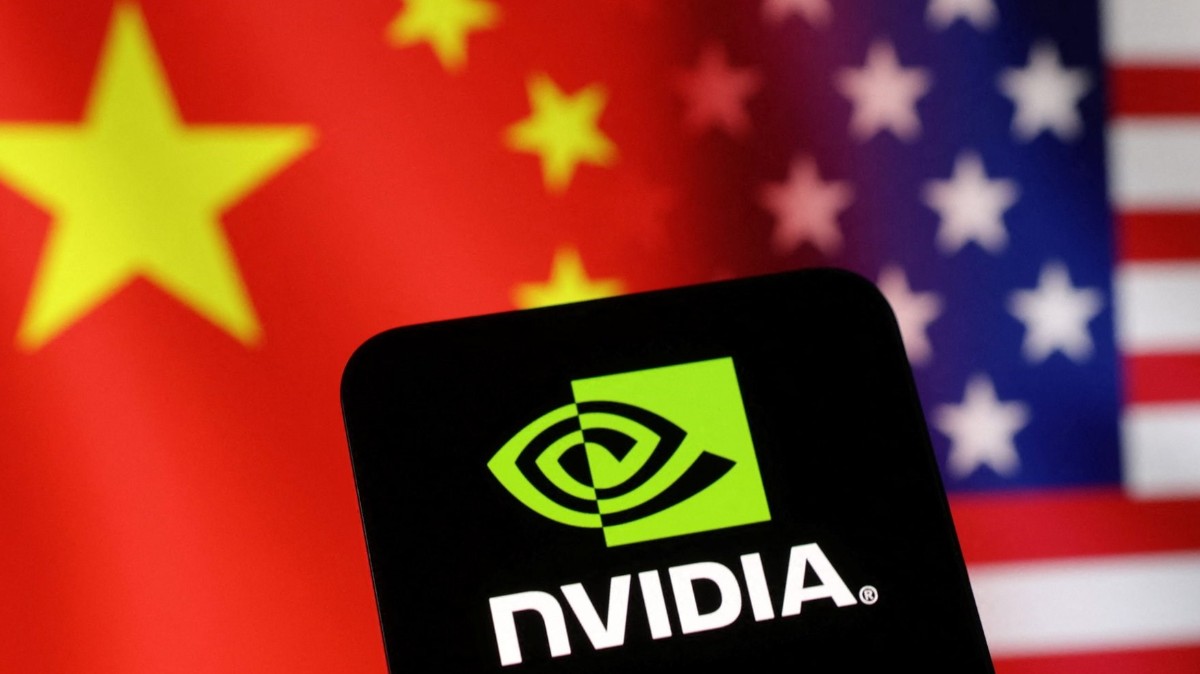
US Export Controls Drive Up Chip Prices
Access to Nvidia's most powerful artificial intelligence hardware has become significantly more challenging in China due to export restrictions imposed by the United States. This situation has led to a substantial increase in the cost and scarcity of B300-based server systems within the Chinese market, according to reports from various sources.
These restrictions, aimed at limiting China's access to advanced chip technology, have inadvertently created a parallel market where high-demand components command exorbitant prices. The scarcity is particularly acute for systems crucial to developing large-scale AI models.
Surging Demand Meets Limited Supply
Sources indicate an exceptionally high demand for B300-based systems, essential for training complex artificial intelligence models. However, official sales channels remain largely inaccessible, severely constraining the available supply. This imbalance between demand and supply has pushed prices in some segments of the market to approximately $1 million per unit.
The inability to procure these systems through conventional means forces companies to explore alternative, often more expensive, avenues. This dynamic underscores the significant impact of geopolitical tensions on global technology supply chains and pricing.
Geopolitical Tensions Fuel Market Shifts
The US government has restricted the export of advanced AI chips to China, citing national security concerns. In response, Beijing is actively working to bolster its domestic chip manufacturing capabilities. These reciprocal actions are causing considerable price volatility and fostering the emergence of unofficial supply routes within the global semiconductor industry.
The ongoing technological rivalry between the two nations continues to reshape market dynamics, creating both challenges and opportunities for various stakeholders. This environment necessitates strategic adjustments from technology companies worldwide.
Black Market Emergence and Accessibility
Industry insiders suggest that some advanced Nvidia systems are reaching China through unofficial channels. However, the elevated prices and limited availability mean that only large-scale corporations can typically afford these products. This creates a significant barrier for smaller entities and startups seeking to compete in the AI space.
The existence of such a market highlights the persistent demand for cutting-edge AI hardware despite regulatory hurdles. It also points to the ingenuity of market participants in navigating complex international trade landscapes.
Rising Costs in the AI Race
Experts observe that access to the most advanced hardware is becoming increasingly costly as the artificial intelligence competition intensifies. Specifically, US export restrictions are accelerating China's pivot towards developing indigenous technological solutions. This shift could have long-term implications for global technological leadership.
The financial burden of acquiring top-tier AI infrastructure is a critical factor influencing the pace and direction of AI development globally. This situation may also encourage greater investment in domestic research and development efforts in affected regions.