Nvidia Deploys Custom Vera Processor for Internal Hardware Design
Nvidia has integrated its proprietary 88-core Vera CPU into its development workflow to accelerate hardware design and improve operational efficiency.
Atlas Newsdesk ·
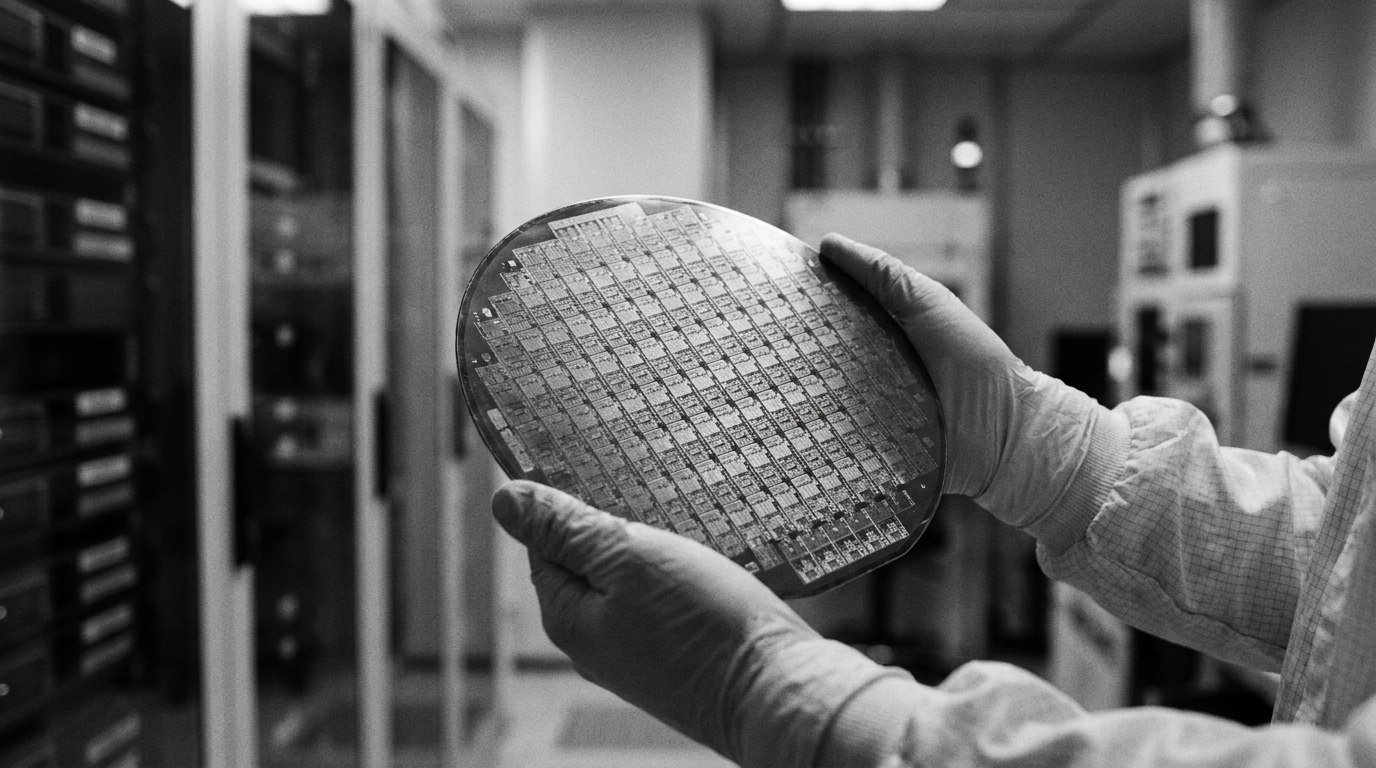
Internal Hardware Development Shift
Nvidia has transitioned to utilizing its own custom-engineered Vera processor to facilitate the creation of next-generation graphics units and central processing chips. By adopting this internal silicon, the organization aims to establish a self-contained development ecosystem that encompasses every phase from initial architecture to final validation.
Performance Gains in Design Automation
The Vera chip features 88 cores and is specifically optimized for electronic design automation tasks. Reports indicate that this hardware delivers a performance boost of up to 50 percent compared to previous industry standards. Such improvements allow engineering teams to execute regression testing more rapidly and identify potential design flaws during the earliest stages of production.
Strategic Vertical Integration
This initiative represents a broader effort by the firm to vertically integrate its system engineering and silicon design workflows. Officials stated that this approach is intended to shorten development cycles for future product generations while maximizing overall hardware efficiency. Following the current deployment of Vera, the company plans to introduce the Rosa processor as the subsequent phase in this evolving design cycle.
Implications and Uncertainties
While the integration of proprietary hardware promises significant speed advantages, the long-term impact on the company's reliance on third-party design tools remains to be seen. By controlling the entire stack, the organization seeks to mitigate external bottlenecks that often plague complex semiconductor projects. However, the success of this strategy depends on the scalability of the Vera architecture as design complexity continues to grow in the high-performance computing sector.