Ferrero Raided in EU Antitrust Probe
Ferrero confirmed EU antitrust inspections on April 15 as regulators probe alleged trade limits that may segment markets across member states.
Atlas Newsdesk ·
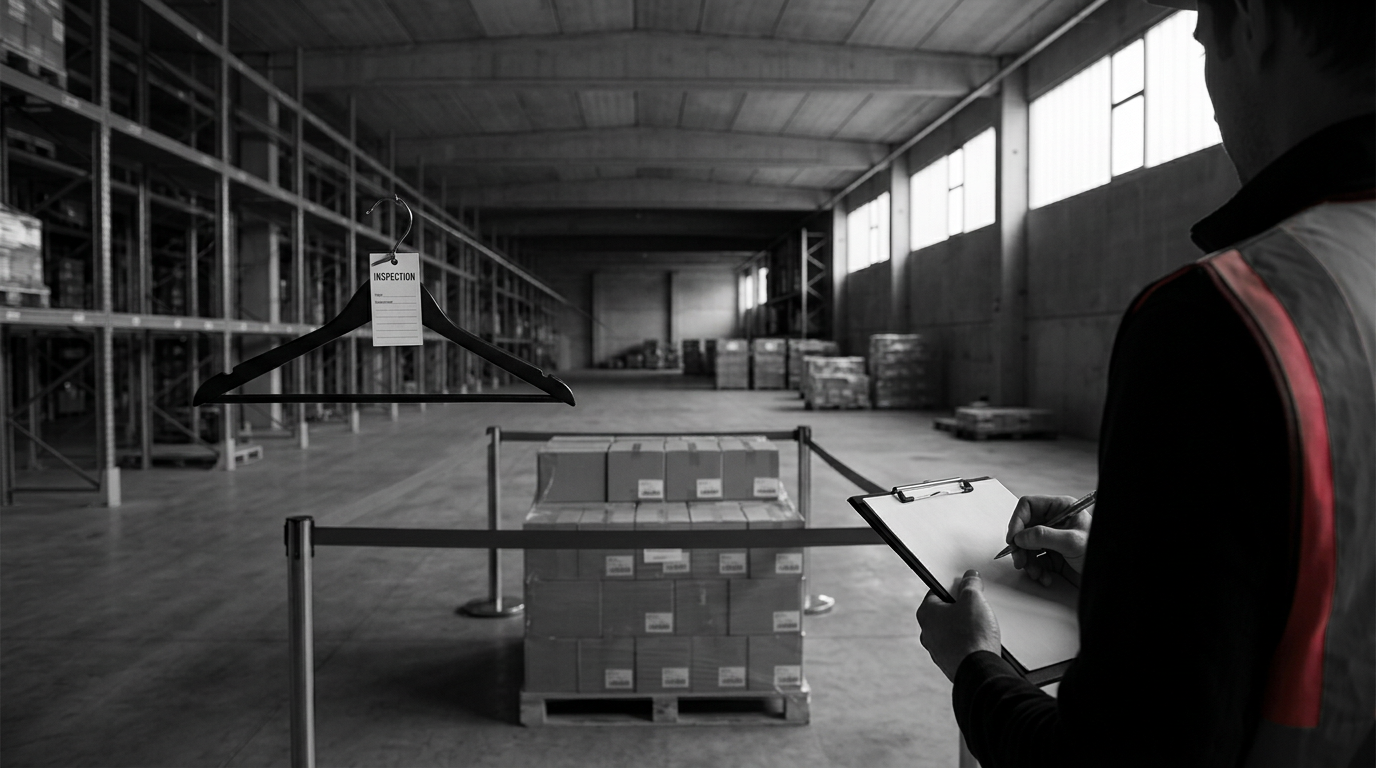
The European Commission has carried out on-site inspections at the offices of Ferrero, the company behind Nutella, as part of an antitrust investigation. Ferrero, which is headquartered in Luxembourg, confirmed it was aware of the inspections on Wednesday, April 15, and said it is fully cooperating with authorities.
The inspections follow earlier reports this week that the European Commission had conducted a raid at an unnamed chocolate confectionery company over suspected breaches of EU competition rules. The current development identifies Ferrero as the company subject to the on-site checks linked to that inquiry.
Officials are examining whether practices may have been used to segment markets inside the European Union. The focus is on potential restrictions that limit trade of goods between EU member states and measures that make it harder for buyers to purchase products across multiple countries. The source material describes these practices as “territorial supply constraints.”
European retailers have long raised concerns about territorial supply constraints, arguing that they can prevent the EU’s single market from functioning as intended for branded consumer goods. Retail association Eurocommerce has said it supports the European Commission’s actions targeting such practices, according to the source material.
The investigation is aimed at addressing concerns that large consumer brands preserve price differences across EU countries and restrict supermarkets from buying branded goods in bulk for resale across the bloc. In practical terms, the scrutiny centers on whether barriers were put in place that stop retailers from sourcing products where they are cheaper and distributing them across borders within the EU.
For markets, the case highlights how competition enforcement can affect major consumer brands and the retail supply chain across Europe. Any action that changes how branded goods can be sourced across member states can influence procurement strategies for supermarkets and wholesalers, and may also affect pricing dynamics for consumer staples sold across multiple EU countries.
Key uncertainties remain. The European Commission’s inspections do not, by themselves, determine that rules were broken, and the source material does not describe any findings or outcomes. The next steps, including whether formal allegations are made or whether the inquiry is closed without action, were not provided.