Congo Republic Presidential Election Underway
The Republic of Congo holds its presidential election today, with incumbent Denis Sassou Nguesso, 82, expected to win another term.
Lauren Collins ·
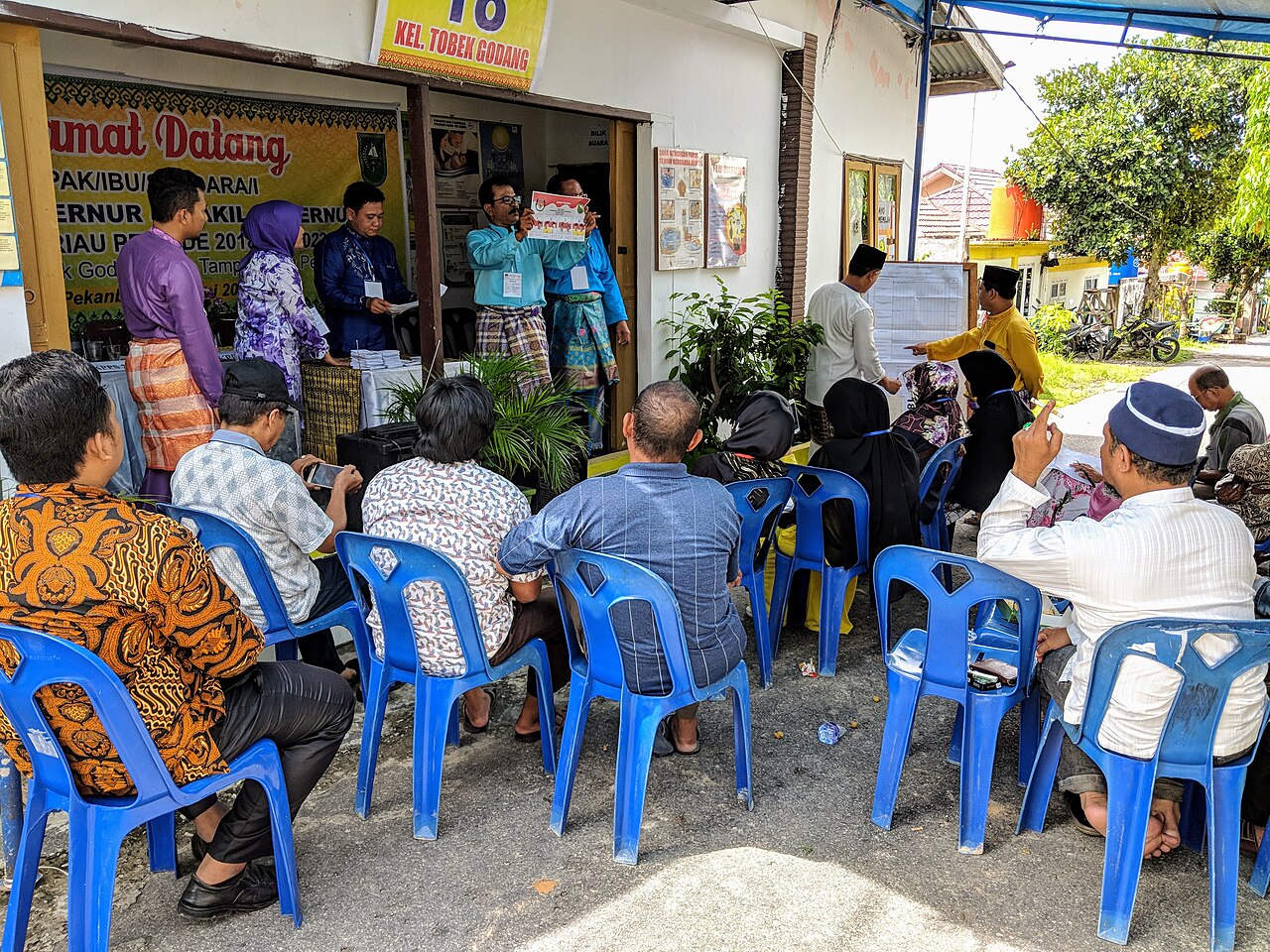
The Republic of Congo is holding its presidential election today, Sunday, March 15, 2026. The incumbent, President Denis Sassou Nguesso, 82, is widely expected to secure another term in office. This electoral event unfolds against a backdrop of significant voter disengagement and ongoing concerns regarding the nation's political trajectory and economic challenges.
President Nguesso's extensive tenure began in 1979. Following a period out of power, he returned to the presidency in 1997 after a civil conflict. His continued leadership has been facilitated by two key constitutional amendments, enacted in 2002 and 2015, which modified presidential eligibility criteria. These changes have allowed him to bypass term limits that would otherwise have prevented his re-election.
Economic Landscape and Public Sentiment
Despite the Republic of Congo being the third-largest oil producer in sub-Saharan Africa, a substantial portion of its population lives in poverty. Approximately half of the country's six million citizens subsist below the poverty line, highlighting a significant disparity between national resource wealth and public welfare. This economic reality contributes to the prevailing voter apathy observed during the current election cycle.
Historical Electoral Performance
In the previous presidential election held in 2021, President Nguesso secured a decisive victory, reportedly winning over 88% of the vote. Official figures indicated a 67% voter turnout for that election. This historical performance underscores the established political dynamics within the country and the challenges faced by opposition movements.
Political System and International Assessment
Analysts frequently describe Congo's political system as a blend of formally pluralistic institutions and a highly centralized executive authority. This structure is often cited as a primary factor in President Nguesso's enduring political dominance. The perception of stability in a region often marked by instability further contributes to what observers term "asymmetrical political competition," where the playing field is heavily skewed in favor of the incumbent.
International organizations have voiced concerns regarding the state of democracy and political freedoms in the Republic of Congo. Freedom House, for instance, categorizes the nation as "not free," pointing to limited progress in areas such as democratic participation and governmental accountability. These assessments highlight the broader context in which the current election is taking place, raising questions about the fairness and competitiveness of the electoral process.
Implications
Country Impact: The election outcome is expected to reinforce existing political structures, potentially delaying democratic reforms and maintaining the current economic distribution. Continued stability under the long-serving leader may also prevent immediate internal unrest.
Industry Impact: For the oil and gas sector, a continuation of the current administration suggests policy stability and predictable regulatory frameworks. International energy companies operating in the Republic of Congo are unlikely to face significant shifts in operational conditions.
Market Impact: Global markets are unlikely to react significantly to the expected outcome, given the predictability of the election. However, long-term investor confidence in non-oil sectors may remain subdued due to governance concerns and limited economic diversification.