North Korea missiles sent to Russia for Ukraine strikes
Officials said on 5 August 2026 that North Korea transferred ballistic missiles to Russia, which were used in strikes against Ukraine.
Mateo Fernandez ·
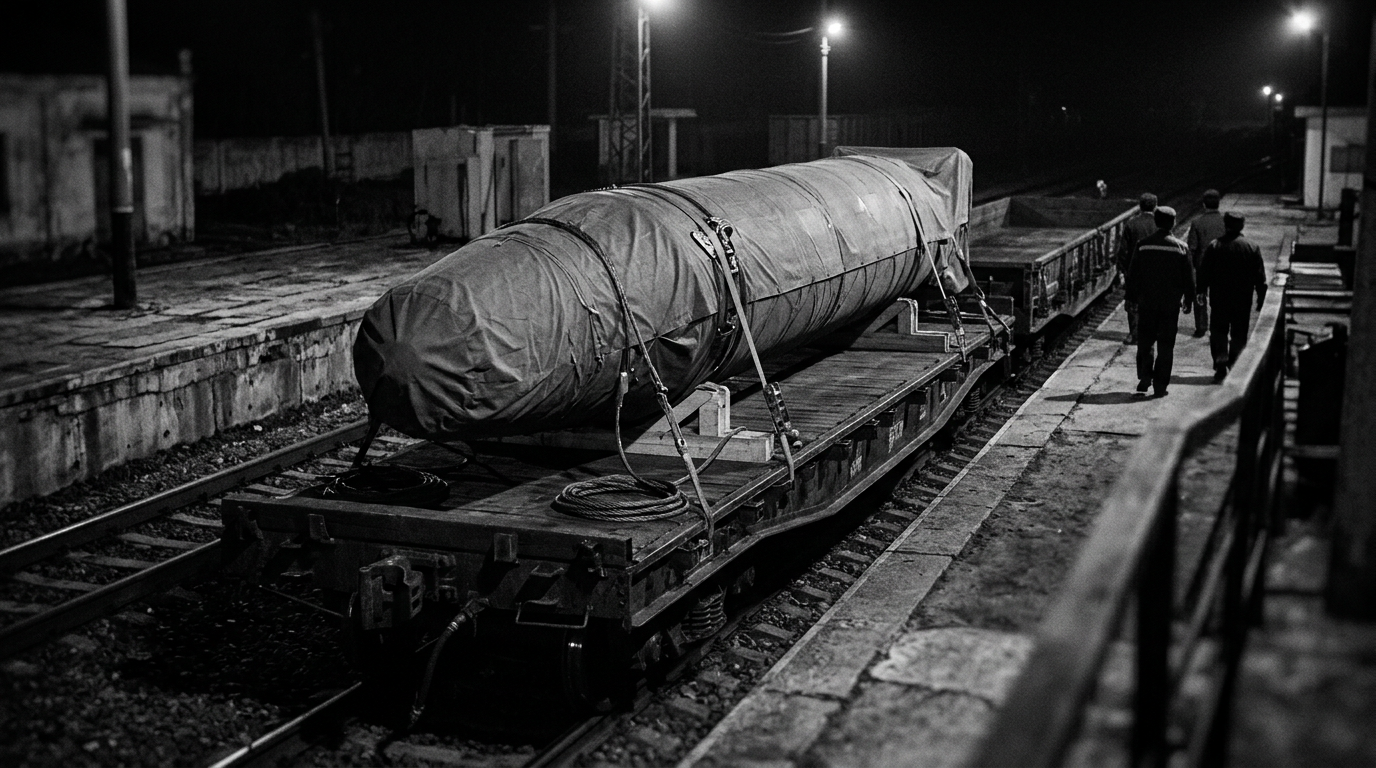
Officials said on 5 August 2026 that North Korea transferred ballistic missiles to Russia for use in strikes against Ukraine. They said the weapons were surface-to-surface systems that Russian forces have already employed on the battlefield.
Reaction in multiple capitals was still pending as officials assessed both operational effects in Ukraine and the wider diplomatic fallout. The same officials described the reported deliveries as a material deepening of military cooperation between Pyongyang and Moscow.
Missile transfers and what officials say is known
Officials said intelligence services from multiple states were Officials said intelligence services from multiple states were tracking shipment routes and identifying the types of munitions involved. They did not disclose quantities or the specific launch systems tied to the transfers. According to the officials, the reported supplies indicate a new phase in the conflict, linking external weapons flows to Russia’s strike capability in Ukraine. They said the battlefield use of the missiles is a key factor shaping how governments may respond. Kyiv cites air-defence challenges and new requests Kyiv officials said the transfers could complicate air-defence planning. They said the development could speed up requests for additional long-range interceptors and other munitions.
Officials did not provide further detail on how
Officials did not provide further detail on how Ukraine’s air-defence posture would be adjusted, or what timelines would be attached to any new requests. Uncertainty remains over the scale of the shipments and whether additional deliveries are expected.
Sanctions pressure and coordination plans
Officials said diplomatic consequences are expected, with governments likely to face pressure to tighten sanctions and coordinate a joint response. They said defence planners may also recommend expanded support for Ukraine’s air-defence systems and logistics.
Officials added that suppliers could reassess export controls and evaluate risk exposure tied to any supply chains connected to the reported transfers. How quickly those reviews translate into formal measures was not yet clear.
Next steps as verification continues
Officials said formal statements and initial policy responses from allied capitals are expected by 8 August 2026, following early verification work and briefings. They indicated that the pace and content of those responses will influence whether the incident triggers broader sanctions or remains a contained intelligence and diplomatic episode.
For now, officials said key details remain undisclosed, including quantities and exact systems, as multiple intelligence services continue tracing routes and validating the operational picture in Ukraine.