Tinubu in UK for Trade, Investment Talks
Nigerian President Bola Tinubu is in the UK for trade and investment talks, marking the first state visit in 37 years, aiming to boost economic ties.
Lauren Collins ·
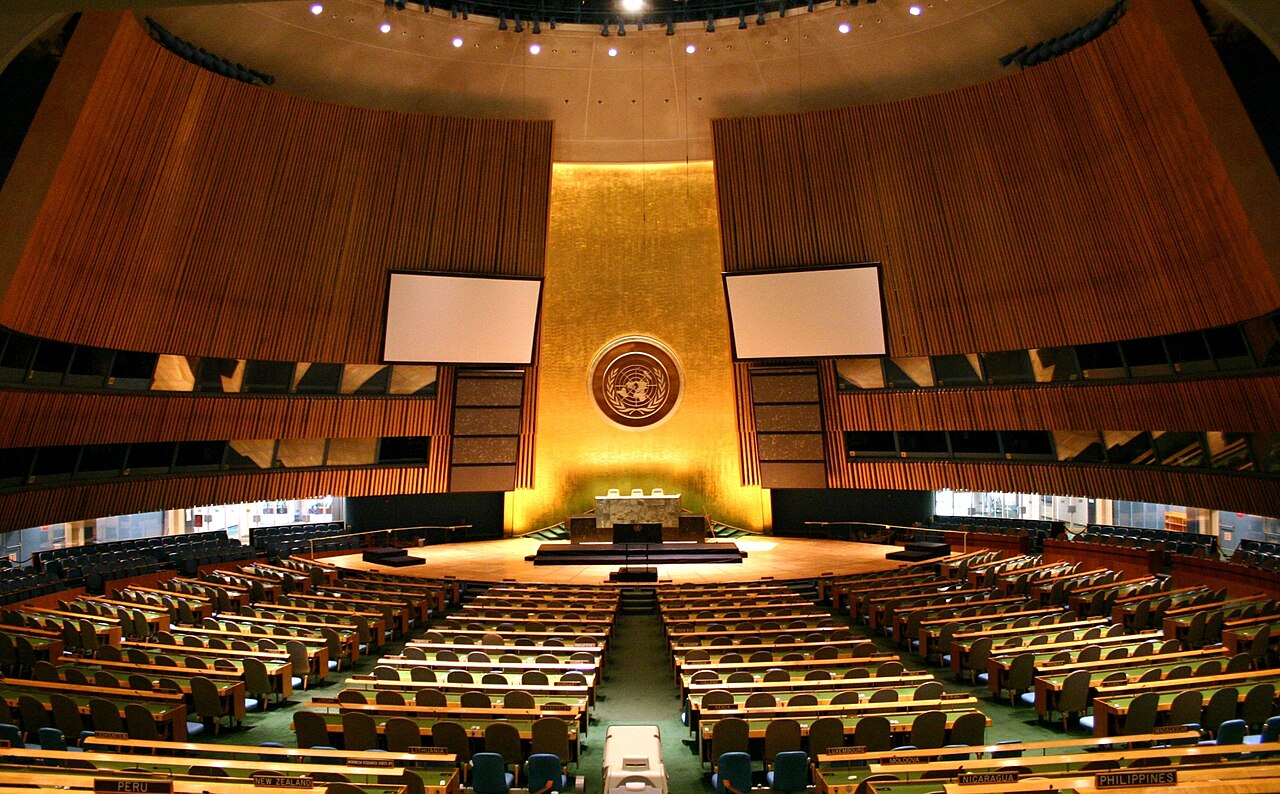
Nigerian President Bola Tinubu commenced a state visit to the United Kingdom this week, focusing on bolstering trade and investment ties. The visit, hosted by King Charles III and Queen Camilla at Windsor Castle from Wednesday to Thursday, marks the first such engagement by a Nigerian head of state in 37 years. This high-level interaction aims to deepen economic cooperation, building on a trade and investment partnership agreement established in 2024.
The discussions between the two nations are expected to encompass a broad range of topics. Key agenda items include expanding the existing trade framework, enhancing security cooperation, addressing migration policies, and exploring avenues for climate financing.
Both the UK and Nigeria are pursuing strategic interests through this engagement, with the UK seeking greater commercial access to Africa's largest economy, and Nigeria aiming to attract foreign direct investment and security assistance.
Economic and Political Context
President Tinubu, who assumed office in May 2023, has initiated significant economic reforms within Nigeria. These measures include the removal of fuel subsidies and adjustments to the currency exchange rate regime. While intended to stabilize the economy, these reforms have contributed to increased living costs for Nigerian citizens. The nation also continues to grapple with persistent security challenges, including activities by armed groups and widespread banditry.
Bilateral Trade and Investment Focus
Bilateral trade between Nigeria and the UK has shown substantial growth, exceeding £8 billion (approximately $10.6 billion) in the year leading up to October. The current visit provides a platform for Nigeria to present investment opportunities in critical sectors such as mining, energy, and its burgeoning creative industries. For the UK, the engagement offers a chance to solidify its position as a key economic partner in West Africa.
Broader Diplomatic Agenda
Beyond economic matters, the diplomatic agenda may also touch upon UK immigration regulations affecting Nigerian citizens. Additionally, there is potential for discussions regarding the repatriation of historical artifacts, a matter of cultural significance for Nigeria. The visit underscores a mutual desire to strengthen multifaceted relations, addressing both immediate economic needs and long-term strategic objectives for both countries.
Historical Significance and Future Outlook
The rarity of a Nigerian state visit to the UK highlights its importance in contemporary Anglo-Nigerian relations. The last such visit occurred nearly four decades ago, making this a pivotal moment for re-evaluating and recalibrating the partnership. The outcomes of these discussions could influence future trade flows, investment patterns, and diplomatic alignments between a major African power and a leading European economy.
The focus on diverse areas from trade to climate finance reflects the evolving nature of international partnerships in the 21st century.
Implications
Country Impact: Nigeria seeks foreign direct investment to support its economic reforms and address security challenges. The UK aims to deepen commercial ties with Africa's largest market, potentially influencing its post-Brexit trade strategies.
Industry Impact: Key Nigerian sectors like mining, energy, and creative industries could see increased British investment. Discussions on climate financing may impact renewable energy and sustainable development projects in Nigeria.
Market Impact: Increased trade and investment agreements could positively influence the Nigerian economy, potentially strengthening the Naira if foreign capital inflows rise. For the UK, enhanced access to the Nigerian market could benefit British exporters and investors.