Nicaragua Proposes Extending Presidential Term Length
Nicaragua's government plans to extend presidential terms and codify the exclusion of political opposition through constitutional reforms this September.
Atlas Newsdesk ·
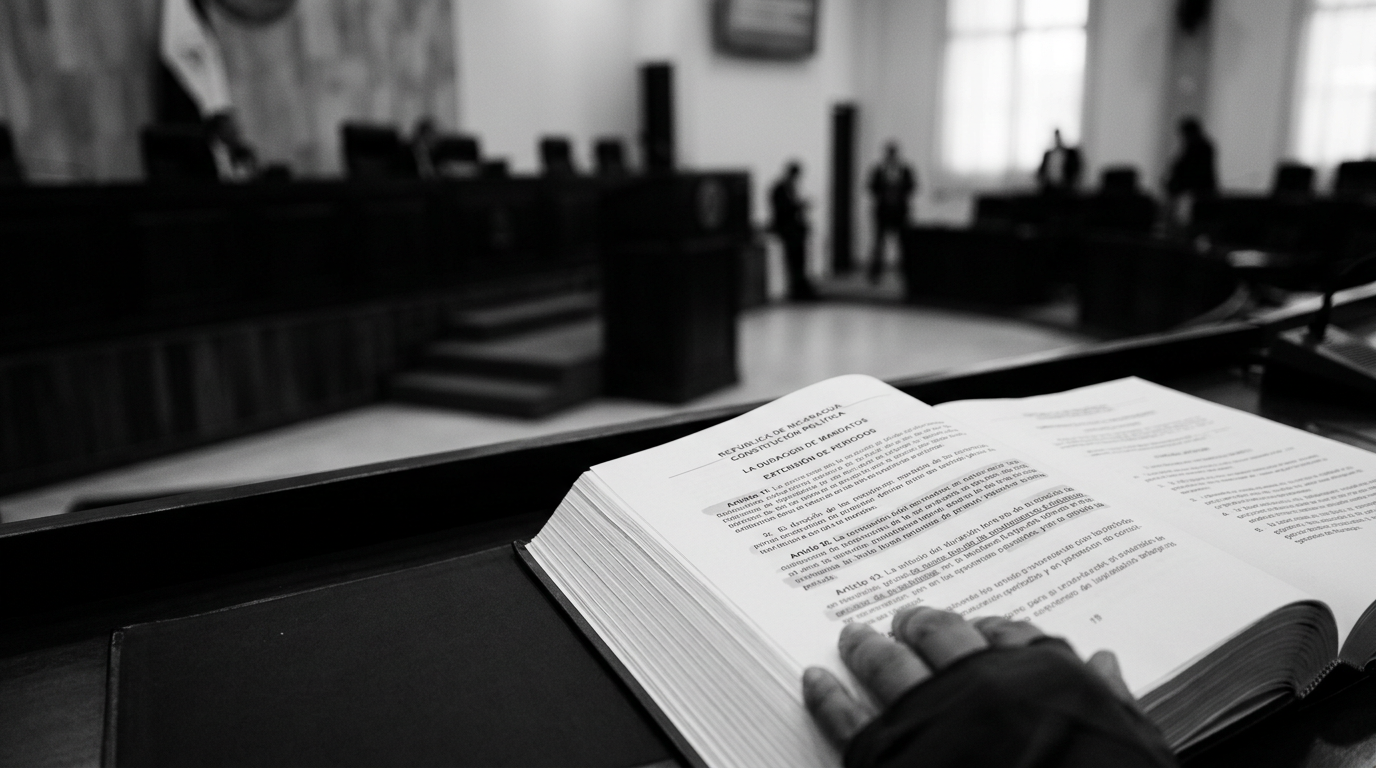
Nicaraguan President Daniel Ortega has introduced constitutional reforms to extend the presidential term by one year, a measure expected to pass the government-controlled National Assembly in September. The proposal follows a 2024 legislative adjustment that already increased the term from five to six years, further consolidating executive authority under the administration that has held power since 2007.
The legislative package includes provisions to permanently bar political opponents labeled as traitors or coup plotters from seeking public office. This mechanism functions by institutionalizing the exclusion of dissenters, building upon previous legal frameworks that removed term limits in 2014 and established the role of co-president for Rosario Murillo. These changes ensure a legal pathway for succession should the 80-year-old president be declared permanently absent.
The consolidation of power follows a period of intensified state control, characterized by the detention or exile of opposition candidates during the 2021 election cycle. International observers, including the United Nations, report that the erosion of the rule of law has accelerated, with the government systematically stripping political dissidents of citizenship and assets. The legislative shift signals a long-term strategy to formalize executive dominance and eliminate electoral competition within the country.