Tens of Thousands of English Doctors Begin Six-Day Strike Over Pay Dispute
England doctors strike starts April 2 as tens of thousands walk out for six days, pressing for pay above a 3.5% offer.
Ayla Demirhan ·
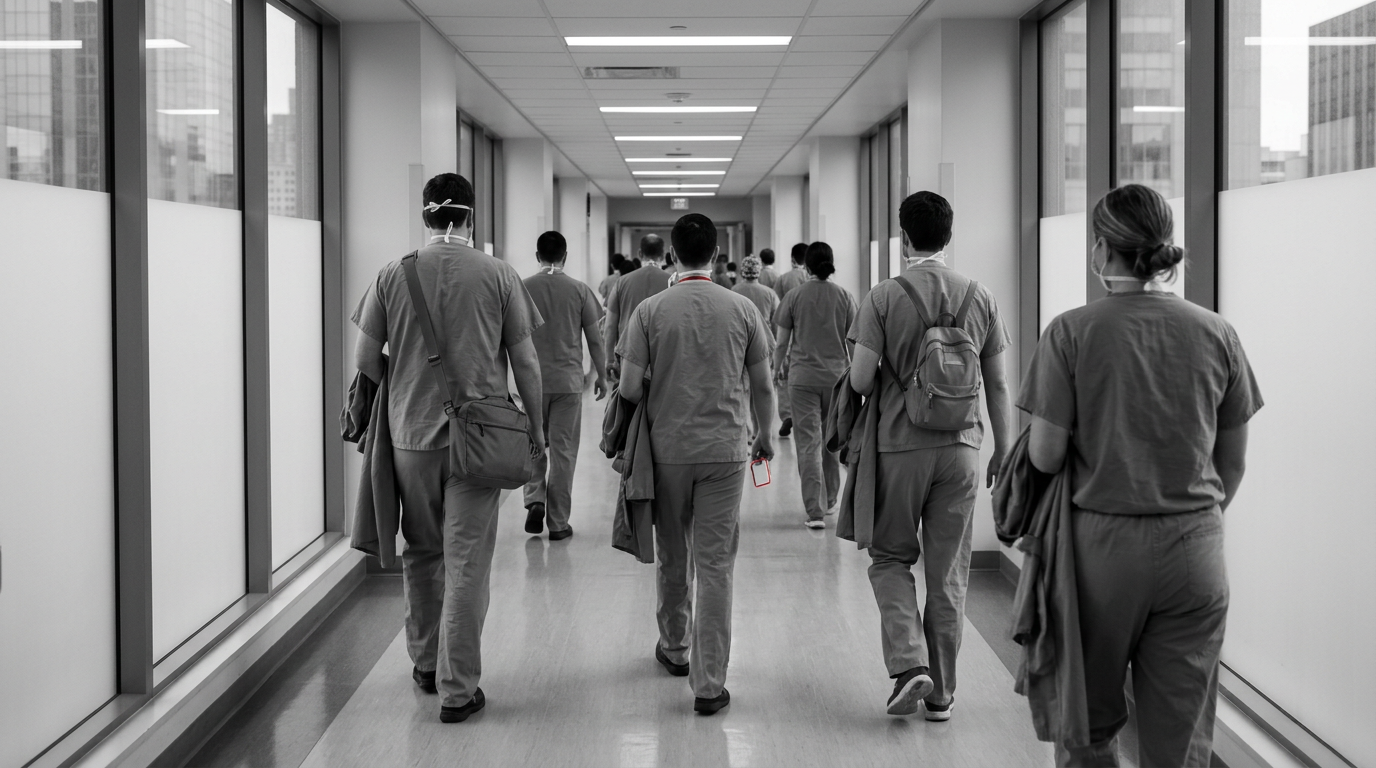
Tens of thousands of resident doctors in England began a six-day strike on Tuesday, April 2, escalating a long-running pay dispute with the government. The walkout was called by the British Medical Association (BMA) and is expected to put additional strain on the National Health Service (NHS) at a particularly busy point in the calendar.
NHS England advised patients to keep planned appointments unless they are contacted to reschedule. It also told the public to continue using emergency services for life-threatening conditions, signalling that urgent care pathways remain in place even as routine activity faces disruption.
Health officials said the timing is likely to intensify operational pressure because the strike started immediately after the Easter weekend. The health service also flagged that the notice period was shorter than usual, reducing the time available to reorganise staffing and services. Hospital teams said they are working to limit disruption, including efforts to maintain safe coverage while managing postponed or delayed care.
The industrial action follows the government’s decision to withdraw an offer for 1,000 additional training places, which it said was not financially or operationally feasible. That reversal became part of the wider dispute, alongside the central issue of pay levels and the structure of the government’s proposed package.
5% offered by the government. 2% better off on average than four years earlier. The BMA’s resident doctors committee chair, Dr. Jack Fletcher, disputed that the path to an agreement remained intact, saying a potential deal had been weakened after the government reduced and extended the proposed financial package.
For markets and policymakers, the immediate focus is on service continuity and the operational resilience of a major public employer. The NHS is a central pillar of the UK’s public services, and large-scale industrial action can affect workforce planning, hospital capacity management, and the delivery of scheduled care, all of which are closely watched by stakeholders across the health sector.
Key uncertainties include how much routine activity will be postponed during the six-day period and how quickly hospitals can recover capacity afterward. NHS England’s guidance indicates that some services will continue, but the scale of participation and the knock-on effects on waiting lists and staffing remain unclear as the strike unfolds.