US Measles Cases Surge, Threatening Elimination Status
US measles cases surged to 1,300 by March 2026, threatening the nation's elimination status due to declining MMR vaccination rates.
Ayla Demirhan ·
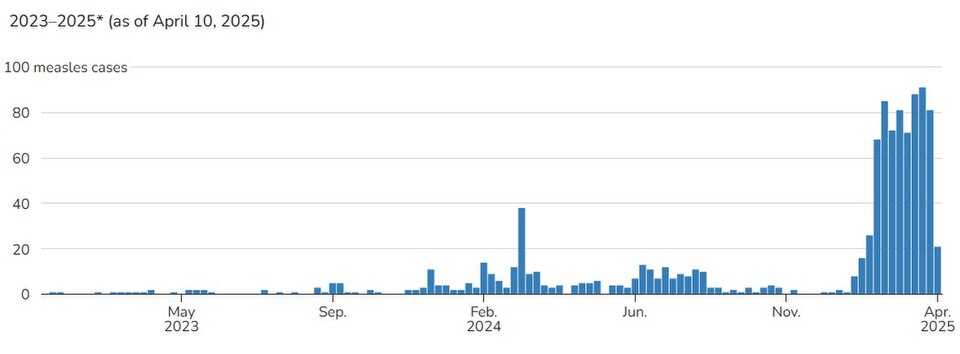
The United States is confronting a significant increase in measles infections, with 1,300 confirmed cases recorded by early March 2026. This trajectory suggests the nation is poised to surpass the total infections reported in 2025, which represented the highest incidence in 35 years. The ongoing spread of the disease, which has been continuously circulating for over a year, began with an outbreak in Texas in January 2025 and has since affected 47 states.
This resurgence is primarily attributed to a decline in national vaccination rates for the Measles, Mumps, and Rubella (MMR) vaccine. Since around 2019-2020, these rates have fallen below the 95% threshold generally considered necessary for achieving herd immunity. The sustained presence of the virus now jeopardizes the country's measles elimination status, a public health achievement recognized in 2000.
Threat to Public Health Status
The Pan American Health Organization (PAHO) is currently reviewing the United States' elimination designation. This follows a precedent set by Canada, which lost its measles-free status in November 2025 due to similar reductions in vaccination coverage. The current outbreaks have led to increased hospitalizations and, in some instances, fatalities.
In 2025, three measles-related deaths were reported, marking the highest number since the disease was declared eliminated in the U.S. Approximately 11% of the 2,283 confirmed cases in 2025 necessitated hospitalization, highlighting the severity of the illness for a segment of the infected population. Measles can lead to severe health complications, including pneumonia and encephalitis, and can temporarily weaken the immune system, increasing susceptibility to other infections.
Historical Context and Prevention
The U.S. achieved measles elimination in 2000, a milestone defined by the absence of continuous disease transmission for over 12 months. This was largely due to widespread vaccination efforts that began in the 1960s. The current decline in vaccination rates represents a reversal of decades of public health progress, creating vulnerabilities for communities across the nation.
Public health officials emphasize that maintaining high vaccination rates is crucial for preventing the re-establishment of endemic measles. The current situation underscores broader challenges in managing infectious disease threats, particularly in an era where vaccine hesitancy has become a more prominent factor. Continued monitoring and public health interventions are essential to mitigate further spread and protect the population, especially vulnerable groups.
Outlook and Implications
The ongoing spread of measles poses significant public health and economic implications. Healthcare systems face increased burdens from managing cases and potential complications. The threat to the elimination status could also impact international travel and trade, as countries may impose stricter health screenings or travel advisories.
Addressing the underlying causes of vaccine hesitancy and reinforcing public trust in immunization programs are critical steps for regaining control over the disease and safeguarding the nation's public health achievements.
Implications
Country Impact: The resurgence of measles threatens the U.S.'s long-held elimination status, potentially leading to increased healthcare burdens and a re-evaluation of public health strategies. It highlights a national challenge in maintaining herd immunity levels.
Industry Impact: Healthcare providers and pharmaceutical companies may see increased demand for measles testing, treatment, and MMR vaccines. Public health campaigns will likely intensify, impacting resource allocation within the health sector.
Market Impact: While direct market impact is limited, a sustained public health crisis could indirectly affect sectors reliant on public gatherings or international travel. Investor confidence in public health infrastructure may also be a consideration.