Netanyahu White House Visit Tests US
Netanyahu meets Trump on July 28 as officials cite strained coordination on Iran, Turkey F-35 plans, and a Saudi nuclear deal ahead of Aug. 3 review.
Mateo Fernandez ·
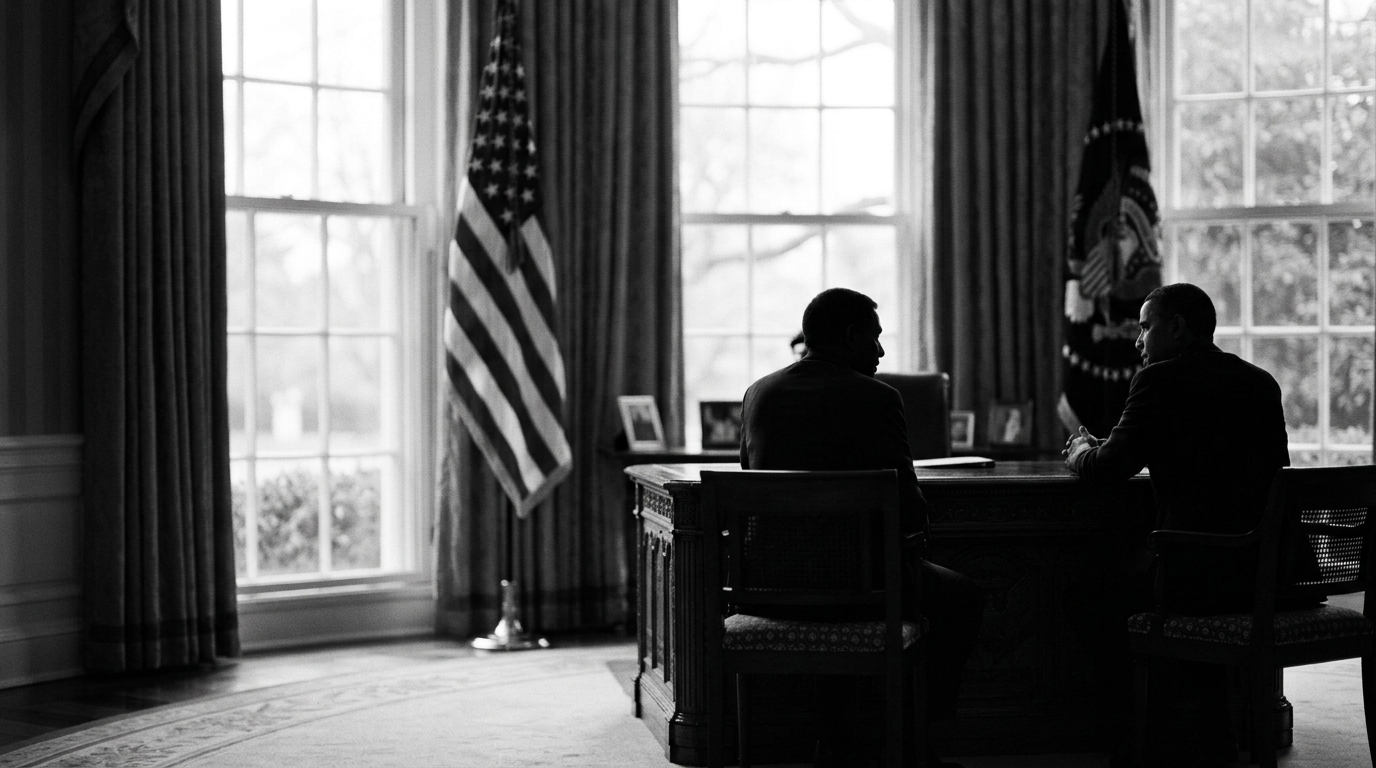
Israeli Prime Minister Benjamin Netanyahu is set to meet President Trump in the Oval Office on Tuesday, July 28, marking their eighth face-to-face session since the president returned to office, according to officials. Officials said Netanyahu arrives with reduced leverage after a series of policy differences that have widened between the two governments.
Officials described the visit as a test of how closely the United States and Israel are aligned on regional security decisions, particularly around Iran. The meeting comes after what officials portrayed as a shift in US tactics that left Israeli leaders uncertain about Washington’s next moves.
Iran strikes paused as envoys pursue new talks
Officials said Mr. Trump halted US strikes in Iran several days earlier and sent envoys to pursue a new negotiating track. Officials said the move forced Israeli officials to prepare for what they called a worst-case scenario in which the United States could later return to combat operations if diplomacy breaks down.
Netanyahu held lengthy cabinet discussions last Friday while having limited visibility into US intentions, officials said. Israel learned only late that night that the United States had chosen to hold fire, officials added.
Officials also said the pattern of direct communication has changed since the early months of the war. What had been daily phone contact has become intermittent, they said, creating frictions in coordination at a time when both sides are making high-stakes decisions.
Access issues and disputes over arms and regional deals In recent days, officials said, Netanyahu has relied more heavily on Secretary of State Marco Rubio for updates. Officials said the Israeli leader also struggled to secure a meeting slot at the White House last week, underscoring what they described as a more complicated operating environment for Israeli diplomacy in Washington.
Officials said Netanyahu was unable to change the administration’s course on an F-35 sale to Turkey. President Trump publicly defended the decision on Monday, saying, "Nobody tells me what we should be selling or not," Separately, officials said an adviser to the Israeli prime minister indicated Netanyahu was surprised by a nuclear agreement with Saudi Arabia that did not include a requirement tied to normalization. Officials framed the absence of such a condition as another sign of divergence between the priorities of Washington and Jerusalem.
Deadlines ahead and uncertainty over next steps
Officials said attention is now turning to congressional review of the Saudi agreement and any connected decisions by August 3, 2026. They said the White House meeting could influence how the administration approaches next steps if talks fail, including whether the United States resumes a large-scale campaign.
Even with the scheduled sit-down, officials emphasized that several core questions remain unresolved, including the durability of the new negotiation effort and how quickly US-Israel coordination can be restored to earlier levels. The outcome of the July 28 meeting, officials said, will be closely watched in both capitals.