Neighbors contest parking signs after home access shifts
D.C. parking signs attributed to DDOT have residents and Anacostia businesses warning of lost access, costly tickets and fewer spaces.
Sophie McAlister ·
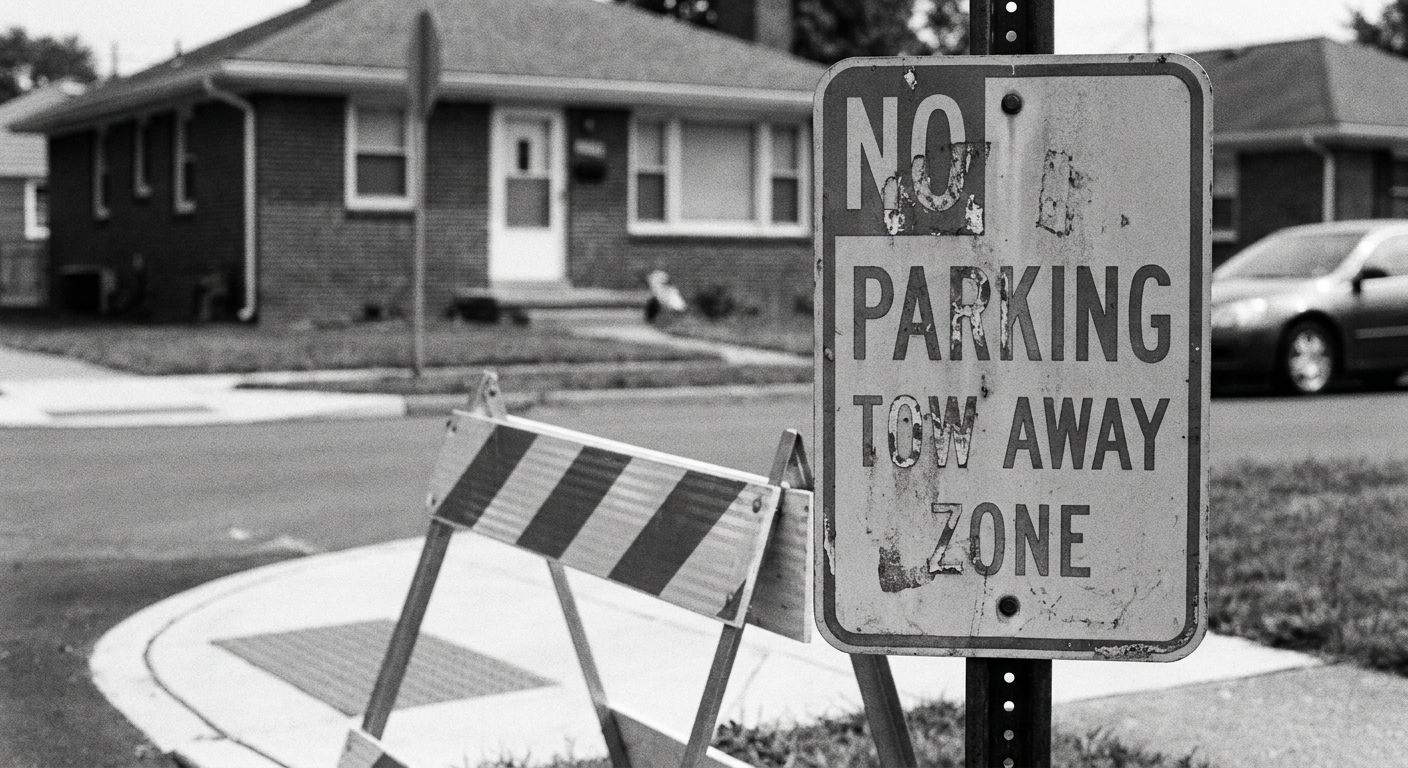
D.C. parking signs attributed to DDOT have residents and Anacostia businesses warning of lost access, costly tickets and fewer spaces.
The complaints center on new curb restrictions outside homes and businesses, where residents say routine access now carries the risk of fines. The District Department of Transportation is the agency residents named, but the available accounts do not include DDOT’s explanation for the timing, notice process or enforcement plan.
Marsh faces a blocked doorway
Anita Marsh said the street outside her home changed after roughly 70 years of stability. She said she woke Monday to newly placed no-parking signs in front of the property, a shift she described as more than an inconvenience because of her mobility challenges.
"It’s very emotional," Marsh said, describing a home where she believes legal parking access has been cut off. She added that she is "not very ambulatory" and questioned how she would safely get in and out of the house.
Marsh also framed the change as a financial strain for a retiree. Her concern was not only a possible ticket, but the possibility that repeated enforcement could make the home harder to use day to day.
Kimi Gray Court sees tickets
About a mile away on Kimi Gray Court, Aaron Harris described a similar problem after DDOT signs appeared near homes. Harris said residents were being ticketed while trying to park near their properties, including households with more than one vehicle.
Harris put the weekly exposure in concrete terms: $90, $180 or $270, depending on how many violations a household receives. He said residents did not understand the curb rules to work that way until the signs went up and enforcement followed.
The dispute shows how a curbside decision can become a household budget issue in neighborhoods where parking is part of the daily route to work, caregiving and errands. For residents with limited mobility, the cost is joined by a separate access question: whether the legal curb space aligns with how people actually enter their homes.
MLK Jr. Avenue loses spaces
Businesses on MLK Jr. Avenue in Anacostia said the same pattern has reached commercial blocks. Ronald Moton, speaking outside his Gogo museum, said a bus lane was added without adequate conversation with nearby businesses and removed 29 parking spaces.
Moton said business owners and customers have received $200 tickets since the changes took effect. His concern is that fewer nearby spaces and higher ticket risk can discourage short visits, especially for small businesses that depend on local traffic rather than reserved parking lots.
"This is a community trying to build itself up and survive," Moton said. He said the city should not impose changes on the corridor without first talking with the people who operate there.
The immediate test is whether DDOT clarifies the rules, the notice given to residents and businesses, and any accommodation process for people with mobility limits. If enforcement continues without changes, the mechanism is direct: households and customers face higher parking costs, Marsh and neighbors face reduced access, and Anacostia businesses face fewer convenient curbside stops.
If DDOT revises signs, creates exemptions or adds clearer loading and access zones, the pressure could ease for residents while preserving any transportation goal behind the curb changes. Until the agency explains its rationale in the available record, the unresolved questions are practical ones: who was notified, when enforcement began, and whether the curb plan accounts for homes, retirees and small businesses on the affected blocks.