Nebraska Wildfires Burn 600,000 Acres, Emergency Declared
Nebraska faces its largest wildfire event, with over 600,000 acres burned and one fatality, prompting a state of emergency.
Ayla Demirhan ·
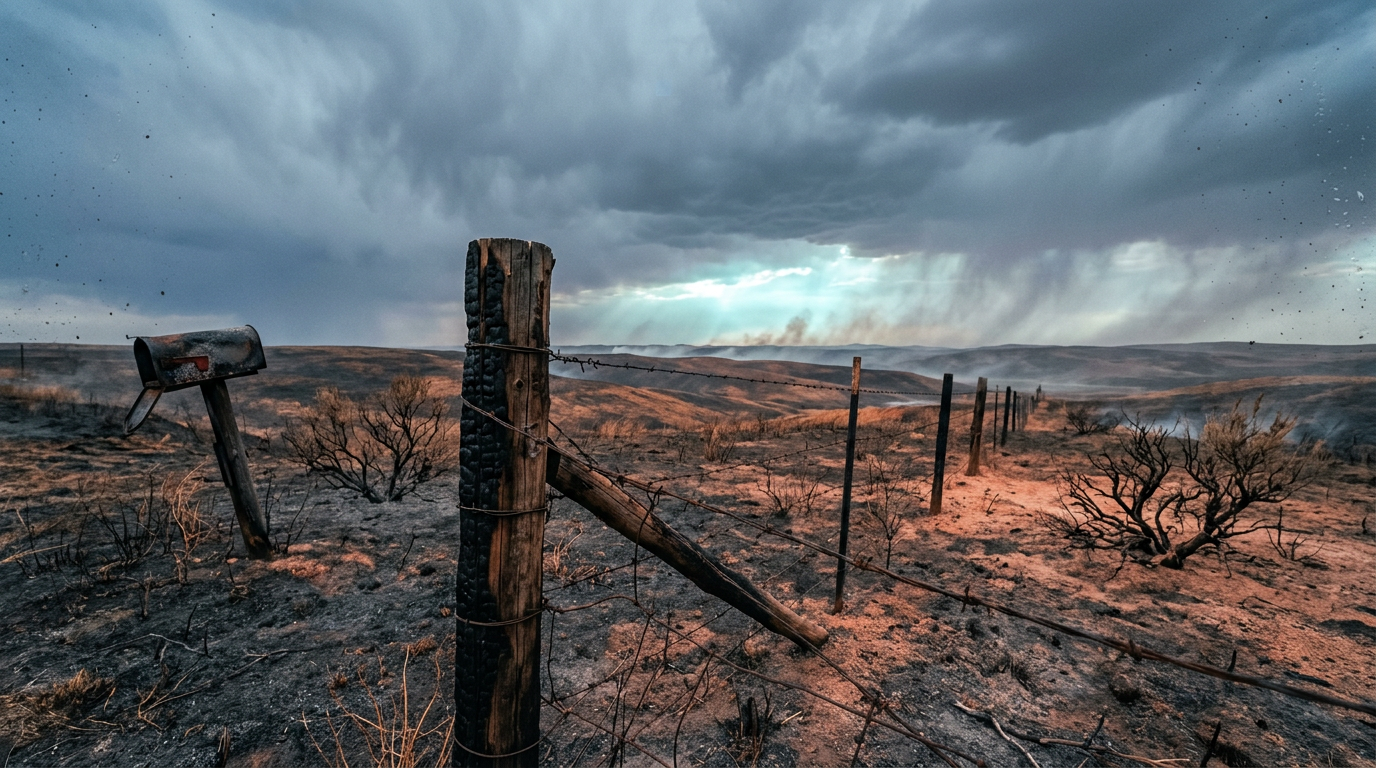
Nebraska is currently experiencing its most extensive wildfire event on record, with multiple blazes consuming over 600,000 acres across the state. The Morrill Fire, the largest among them, has alone accounted for 460,000 acres and tragically resulted in one fatality. These fires, which began on Thursday, March 13, have prompted Governor Jim Pillen to declare a state of emergency.
Strong winds, low humidity, and exceptionally dry conditions were identified as primary factors in the rapid ignition and spread of the wildfires. These environmental elements quickly overwhelmed local firefighting resources. The National Guard has been activated, deploying both personnel and aircraft to assist in containment efforts.
Federal Intervention and Containment Challenges
By Sunday, March 16, the National Interagency Fire Center (NIFC) assumed operational control of the two most significant incidents: the Morrill Fire and the Cottonwood Fire. The Cottonwood Fire has burned more than 100,000 acres independently. Fire suppression activities have been severely complicated by adverse weather, including a winter storm impacting the broader Midwest region.
Statewide Response and Regional Coordination
In response to the escalating crisis, a statewide burn ban has been instituted, effective until March 27. This measure aims to prevent further ignitions during the critical period. Federal authorities are actively collaborating with state agencies in Nebraska and neighboring states, including Colorado, South Dakota, and Wyoming, to coordinate resources and personnel.
Historical Context of Wildfire Activity
While Nebraska is not typically associated with large-scale wildfires compared to western states, the current event underscores the increasing vulnerability of diverse regions to extreme fire conditions. Climate change is often cited as a contributing factor to more frequent and intense wildfire seasons globally, extending to areas previously less affected. The combination of prolonged drought, high winds, and available fuel sources creates a dangerous environment for rapid fire propagation.
Economic and Environmental Impact
The extensive acreage burned represents significant economic losses for agricultural communities, particularly ranchers and farmers. Livestock, infrastructure, and grazing lands are directly threatened or destroyed. Environmentally, the fires contribute to air quality degradation and long-term ecological disruption, including soil erosion and habitat loss. The recovery process for affected areas is expected to be prolonged and resource-intensive, requiring substantial state and federal aid.
Implications
Country Impact: The extensive wildfires in Nebraska highlight the increasing vulnerability of agricultural states to extreme weather events, potentially impacting national food supply chains and requiring federal disaster relief. This event also underscores the broader challenge of climate change-induced natural disasters across the United States.
Industry Impact: The agricultural sector, particularly ranching and farming in Nebraska, faces substantial losses due to destroyed grazing lands, livestock, and infrastructure. Insurance companies may see increased claims, while the forestry and land management industries will be heavily involved in recovery and prevention efforts.
Market Impact: While localized, the scale of the Nebraska wildfires could exert minor upward pressure on certain agricultural commodity prices if significant livestock or crop losses are confirmed. State and federal budgets will likely allocate funds for disaster response and recovery, potentially impacting regional economic activity and investment in resilience measures.