US veterans’ psychedelic use estimated at 4.8 million
Survey findings estimate 4.8 million US veterans used psychedelics; many report uncertainty about VA disclosure rules and possible benefit risks.
Atlas Newsdesk ·
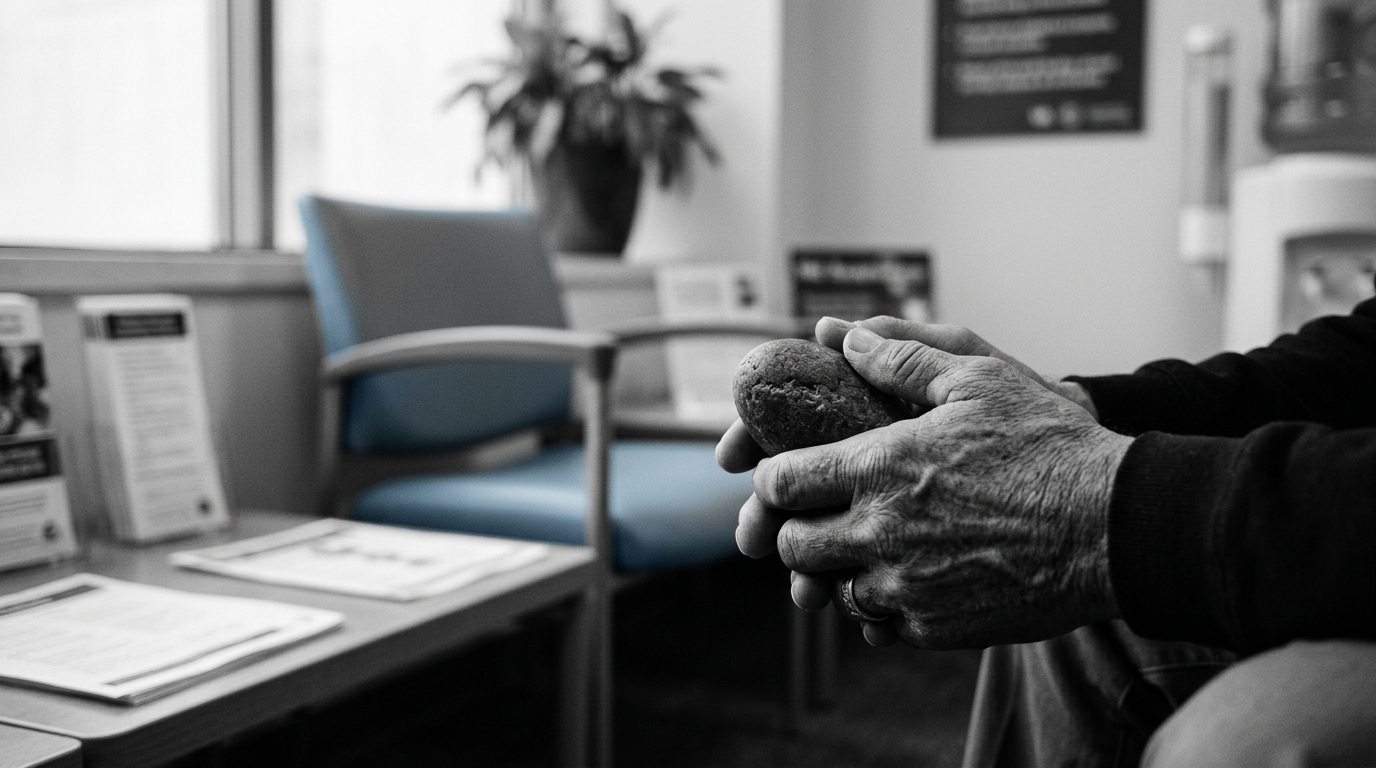
Survey findings described in the source material estimate that 4.8 million U.S. veterans have used psilocybin, LSD, or MDMA at some point in their lives. The same findings highlight uncertainty within the Department of Veterans Affairs (VA) system about whether veterans should disclose psychedelic use to clinicians, and how those conversations should be handled.
According to the source material, the uncertainty is tied to a lack of clear direction in current VA policy on patient disclosure of psychedelic use. That policy gap is described as shaping what veterans believe is safe to share during appointments, including concerns about whether disclosure could affect access to benefits.
Disclosure uncertainty inside VA clinical care
Roughly half of veterans are reported to be unsure whether telling VA medical staff about psychedelic use could bring negative consequences for their benefits. The findings are presented as reflecting uncertainty rather than a clearly communicated rule, with the source material characterizing the situation as a communication gap.
The source material says existing VA policy does not provide explicit guidance on disclosure to healthcare providers. As described, this absence leaves veterans uncertain about possible repercussions, which can influence how candidly they discuss health history and substance use in VA settings.
Why the communication gap matters in practice
The source material frames the missing guidance as a practical barrier to care because clinicians rely on complete information to assess patient history, current symptoms, and possible interactions with other treatments. In that context, the gap is described as a regulatory issue that can shape how care conversations unfold inside the VA system.
Within the same framing, the findings point to a mismatch between what clinicians may need to know and what some veterans may feel comfortable disclosing. The source material does not report a single, clearly stated VA rule that resolves those concerns.
Legalization views and conditional support for VA treatment
The survey findings described in the source material also report varying levels of veteran support for legalization depending on the substance. Support is reported at 24% for psilocybin legalization, compared with 11% for LSD and 9% for MDMA.
Alongside those figures, the same findings indicate broader conditional support for clinical use in the VA context. A majority of veterans are reported to support the VA funding psychedelic-assisted therapies if those treatments receive formal approval from the Food and Drug Administration (FDA).
Research investment continues as policy questions remain
The source material notes that officials have continued to invest federally in research related to psychedelic-assisted therapy, even as veterans report confusion about what is safe to discuss in clinical settings. The findings are presented as landing in a shifting policy environment, with federal and state-level discussions about psychedelic-assisted treatments ongoing.
What the source material says remains unclear is whether the VA plans to issue a specific directive addressing disclosure, documentation, or patient protections related to psychedelic use. Until explicit guidance is provided, the reported uncertainty may continue to affect what information veterans share with clinicians and how care is pursued within the VA system.