China's NPC Concludes, Prioritizing Tech and Stability
China's NPC concluded, setting a 5% GDP growth target and prioritizing tech self-sufficiency and domestic demand amid global uncertainties.
Lauren Collins ·
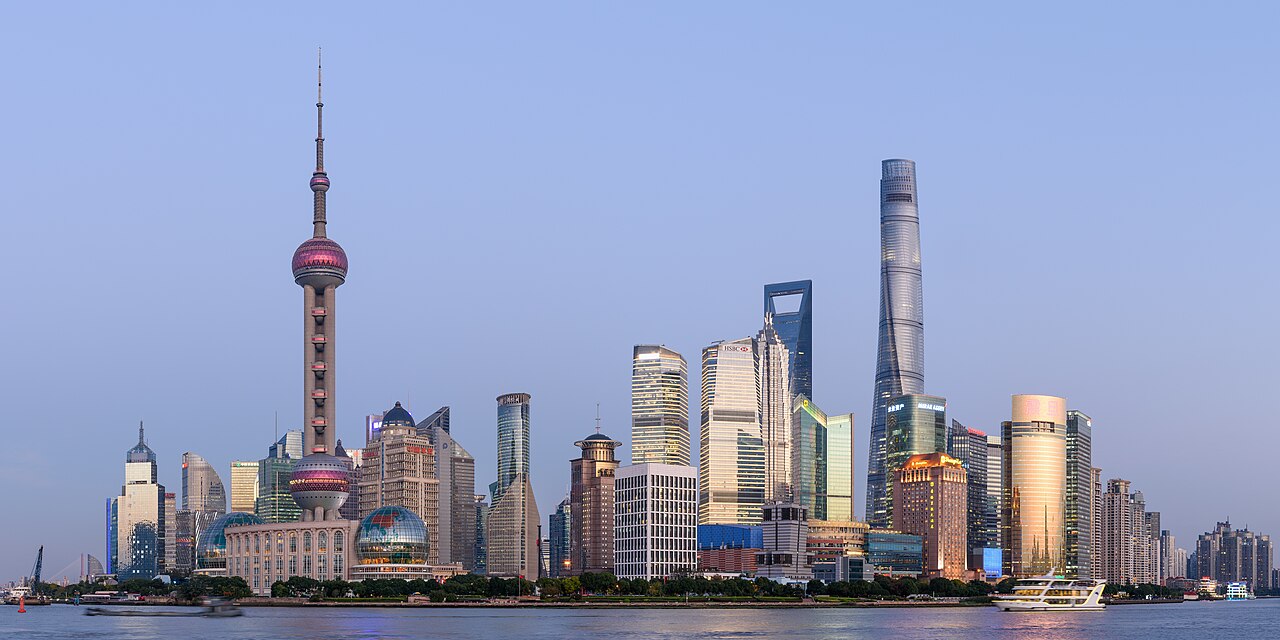
China's National People's Congress (NPC) concluded its annual legislative session in Beijing on Thursday, March 14, 2024. The assembly, largely seen as a ceremonial body, endorsed the Chinese Communist Party's policy agenda, which emphasizes economic stability and technological independence amid global uncertainties.
The government's strategic direction for the coming year focuses on bolstering domestic demand and achieving self-reliance in critical technologies. This includes a significant push for artificial intelligence integration across key sectors and substantial investments in advanced manufacturing capabilities.
Economic Growth Targets and Fiscal Policy
Beijing has set a Gross Domestic Product (GDP) growth target of approximately 5% for the current year. This projection reflects a more moderate expansion compared to previous decades, aligning with the country's efforts to rebalance its economy towards higher-quality growth and domestic consumption.
To stimulate economic activity and support this target, the government plans to increase borrowing. These funds are earmarked for infrastructure development, social welfare programs, and industrial initiatives designed to foster innovation and enhance productive capacity.
Technological Self-Sufficiency Drive
A core component of China's strategy is the pursuit of technological supremacy. The NPC session underscored a commitment to increasing research and development (R&D) spending, particularly in high-tech fields. This includes a projected 7% rise in R&D expenditure for technology-related projects.
The "AI+" initiative is central to this effort, aiming to integrate artificial intelligence into diverse sectors such as manufacturing, logistics, healthcare, and education. Furthermore, significant investments are directed towards strategic industries including semiconductors, robotics, biotechnology, quantum computing, and the development of next-generation communication technologies like 6G.
Social Welfare and Domestic Consumption
Alongside its economic and technological ambitions, the Chinese government is also focusing on enhancing social welfare provisions. Plans include expanding childcare and eldercare services to address demographic shifts and support families. Additionally, measures to enforce paid leave are intended to improve worker well-being and potentially boost domestic consumption.
These social policies are designed to create a more stable and equitable society, which is viewed as crucial for sustaining long-term economic growth and reducing reliance on export-driven models. The emphasis on domestic demand is a response to evolving global trade dynamics and geopolitical tensions.
Global Context and Future Outlook
The policy decisions made during the NPC session reflect China's navigation of a complex international environment. S. political developments, are influencing Beijing's strategic planning. The focus on internal strength and technological resilience is a direct response to these external pressures, aiming to insulate the Chinese economy from potential disruptions and secure its long-term development trajectory.
💊 Kapsül Analysis
📌 What Happened?
- China's National People's Congress concluded its annual session on March 14, 2024, in Beijing.
- The legislative body approved the Chinese Communist Party's economic and strategic agenda.
- Key policy priorities include economic stability, technological self-sufficiency, and domestic demand stimulation.
🔍 Why It Matters
- The session outlines China's economic direction amidst global uncertainties and geopolitical shifts.
- Emphasis on technological independence signals a long-term strategy to reduce reliance on foreign tech.
- Social welfare expansions aim to support demographic changes and boost internal consumption.
📈 Market & Political Impact
- **Market:** Increased R&D spending and industrial investment could boost sectors like semiconductors, AI, and robotics.
- **Macroeconomic:** A 5% GDP growth target indicates a controlled, rebalanced economic expansion.
- **Geopolitics:** The focus on self-sufficiency may intensify tech competition and trade tensions with Western nations.
👁️ What to Watch
- Implementation and effectiveness of the "AI+" plan and other tech investment initiatives.
- Impact of increased government borrowing on national debt levels and infrastructure development.
- Evolution of social welfare programs and their effect on domestic consumption patterns.
📋 Source Status
Multi-source
📊 Confidence
Level: High — Information is based on official government announcements from China's legislative session.
Implications
Country Impact: China's focus on domestic demand and technological independence aims to bolster its economy against external shocks and foster long-term sustainable growth. Social welfare expansions are intended to address demographic challenges and improve living standards.
Industry Impact: Industries such as artificial intelligence, semiconductors, robotics, and biotechnology are poised for significant investment and growth. This could lead to advancements and increased competition in these high-tech sectors globally.
Market Impact: Global markets may see increased competition from Chinese tech firms and potential shifts in supply chains as China pursues self-reliance. Investors will monitor the effectiveness of stimulus measures and the impact of geopolitical tensions on trade and technology flows.