Lunar Lander Delays Jeopardize 2028 Moon Mission
Artemis lunar lander delays—one by at least two years—are pressuring NASA’s goal of annual crewed Moon landings starting in 2028.
Ayla Demirhan ·
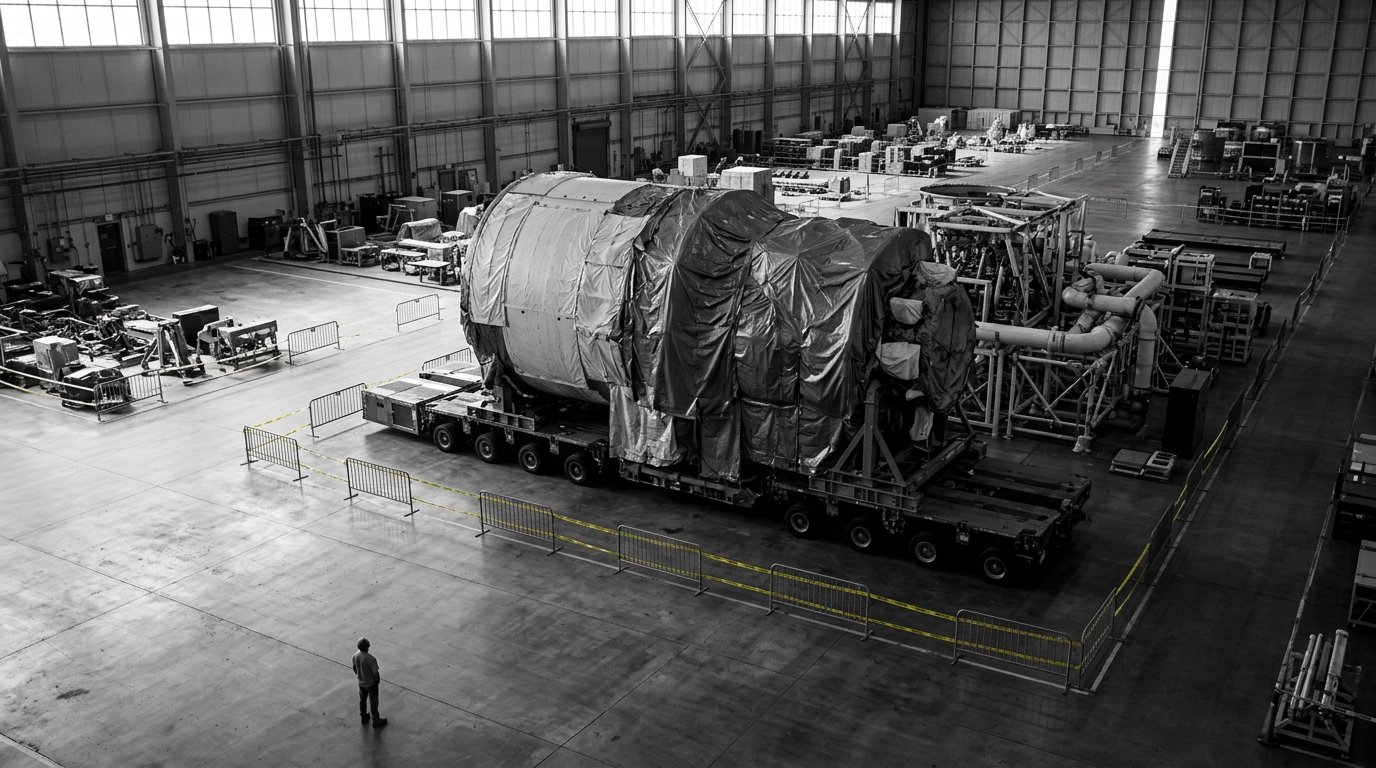
NASA’s Artemis program is facing schedule pressure as delays in the development of human landing systems push back key milestones needed for crewed lunar missions. Reports cited in the source material say private contractors building the landers are running behind, with one system delayed by at least two years and another by eight months, alongside design issues that remain unresolved.
What happened is centered on the readiness of the landers that would carry astronauts from lunar orbit to the Moon’s surface and back. The reported slippage directly affects NASA’s stated objective of moving to annual crewed lunar landings starting in 2028, because the landing systems sit on the critical path for mission execution. The source material also notes that independent analysis has questioned whether the 2028 target is achievable under current development timelines.
Why the delays matter operationally is tied to the complexity of the new landers and the architecture required to support them. The systems described require substantial infrastructure and large amounts of propellant, creating engineering demands that go beyond a single launch and landing event. A key technical challenge highlighted is propellant transfer in orbit, which the source identifies as a particularly difficult engineering task within the overall mission design.
Technical risk is not abstract in this context, according to the source material’s reference to earlier mission delays linked to fueling problems on the launchpad. That history is presented as an example of how difficult propellant handling can be, even before adding the added complexity of transferring fuel in space.
With unresolved design issues still cited for at least one lander, the schedule impact is not limited to manufacturing timelines but also includes engineering validation and integration work.
What it means for policy and funding is that the 2028 target is described as politically significant. The source material says the deadline aligns with a renewed space policy and has received substantial congressional funding, suggesting that program timelines are being shaped alongside political considerations.
At the same time, the reported delays create a gap between stated goals and development reality, increasing the importance of transparent schedule updates and technical readiness assessments.
Global context in the source material points to rising international competition in lunar exploration, which is adding pressure to Artemis scheduling. The uncertainty remains how quickly the delayed systems can resolve design issues and demonstrate the demanding propellant and infrastructure requirements needed to support a sustained cadence.
For markets and industry, the immediate unknown is whether the current delays remain contained or cascade into broader timeline changes for the annual landing objective beginning in 2028.