NASA Extends Voyager 2 Mission Through 2026
NASA extended Voyager 2 operations through 2026 after a remote power-management change aimed at slowing instrument shutdowns as power declines.
Atlas Newsdesk ·
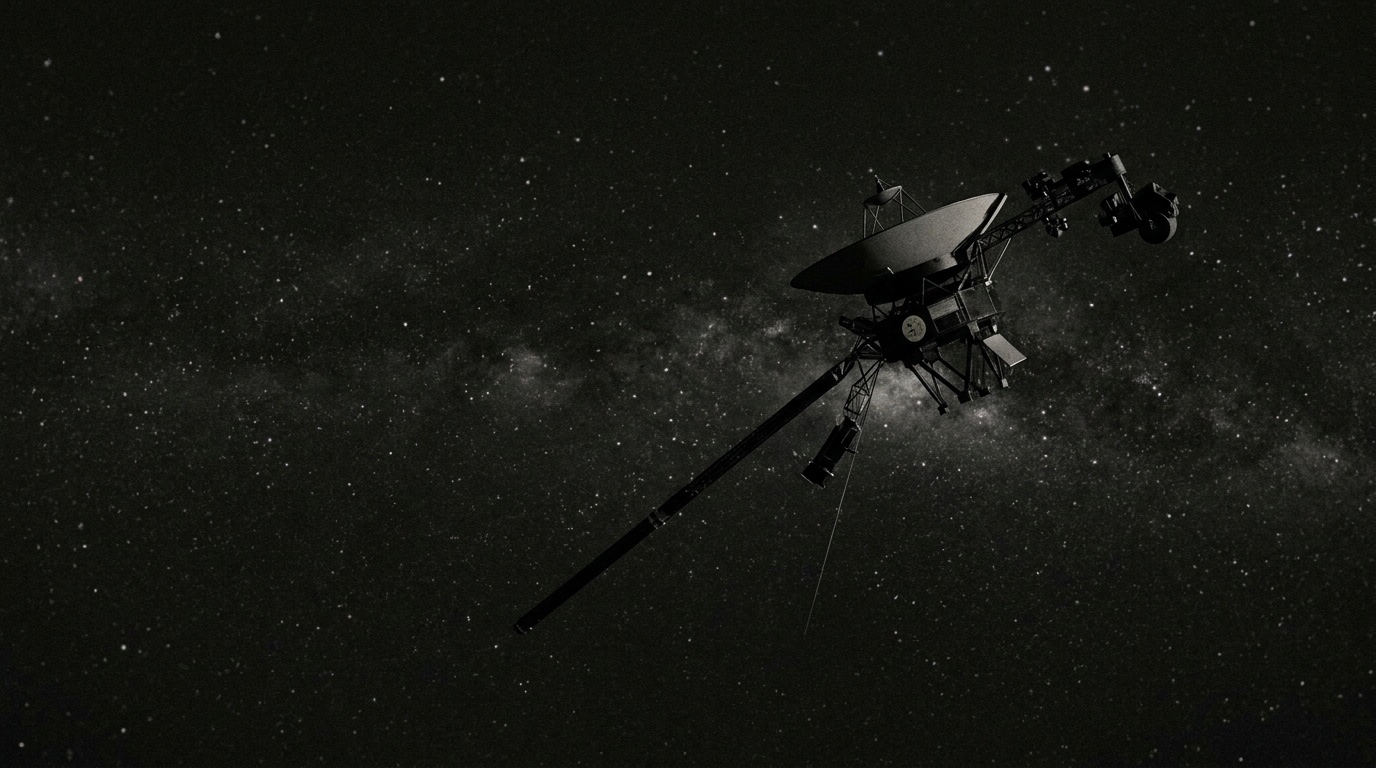
NASA has extended the operational life of the Voyager 2 interstellar spacecraft by about two years, keeping the mission active through 2026 after engineers completed a power-management adjustment, officials said.
Officials linked the decision to ongoing efforts to reduce electricity demand as Voyager 2’s radioisotope thermoelectric generator produces less power over time. The, they said, is to slow the pace at which functioning science instruments might otherwise need to be turned off.
Heater changes designed to relieve pressure on shrinking power Mission staff said the latest power-saving step centered on onboard heating. Engineers replaced higher-consumption heating devices with lower-energy alternatives, according to officials.
NASA said the move was intended to ease strain on the spacecraft’s diminishing power supply while preserving its current scientific data collection. Officials described the adjustment as a way to “buy time” for continued measurements rather than cutting back active instruments sooner than planned.
Why electricity demand matters for Voyager 2 science
Officials said that reducing overall demand can help preserve ongoing science operations by delaying the need for immediate cutbacks. Over time, the spacecraft’s available power continues to decline, making active power management a key part of keeping instruments running.
In this update, NASA emphasized that the objective is operational continuity: maintain valuable scientific data collection for as long as remaining power and spacecraft health allow.
Remote execution complicated by a roughly 40-hour delay
Officials said the procedure was carried out remotely and required tightly sequenced steps because Voyager 2 is far from Earth. The mission, they said, had to factor in an approximately 40-hour communications latency, lengthening each command-and-confirmation cycle.
Engineers said the long delay increases risk and complexity because teams must anticipate outcomes and plan sequences precisely without the ability to correct issues in real time.
Completion of the change supported the 2026 outlook
Officials said the successful completion of the power adjustment was a key factor behind the updated estimate that Voyager 2 operations can continue through 2026.
NASA did not detail additional steps beyond this change in the update, but framed the work as part of a broader effort to keep science operations going as long as possible under tightening power constraints.
Similar energy-saving steps being assessed for Voyager 1
Technical teams are now evaluating whether comparable measures could be applied to Voyager 1, officials said. Because the two spacecraft share the same overall design, officials said lessons from Voyager 2 may inform planning for Voyager 1.
Engineers cautioned that Voyager 1 and Voyager 2 have not aged in the same way. Officials said differences in hardware condition and system wear could require tailored approaches, even if the core concept remains reducing power demand to preserve science output.
NASA said it did not have a schedule or specific configuration to share for any potential Voyager 1 changes, and officials said feasibility reviews are still ongoing.