Nagoya Taiwan flap puts Washington's sports-diplomacy line to the test
An Asian Olympic Council warning against political involvement in sport followed Taiwan's protest over a minister's access at the Nagoya Games.
Lauren Collins ·
Nagoya Taiwan flap puts Washington's sports-diplomacy line to the test
Washington has not been the main actor in the Nagoya Games dispute, but the issue lands squarely in one of its most sensitive Indo-Pacific files: how Taiwan is treated in international forums. Olympic Council of Asia President Sheikh Joaan bin Hamad Al Thani said politicians should not be involved in sports after Taiwan's sports minister was initially blocked from a ceremony, then allowed in after Taiwan's delegation protested.
The episode matters in Washington because small protocol decisions around Taiwan often carry larger diplomatic meaning. If access to ceremonies becomes a proxy fight over sovereignty language, U.S. officials will face pressure to support Taiwan's public space without appearing to turn a sporting event into a political confrontation.
The Olympic Council of Asia is the regional body that oversees major Asian multi-sport events and operates within the wider Olympic system led by the International Olympic Committee. Its authority is not the same as a foreign ministry's, but its decisions shape who is visible, which titles are used and how delegations are treated at ceremonies where diplomatic symbolism is hard to separate from sport.
Taiwan competes in the Olympic movement as "Chinese Taipei," a compromise name rooted in the long dispute over Taiwan's international status and Beijing's objections to recognition of Taiwan as a separate state. The arrangement allows Taiwanese athletes to participate, but it also makes flags, titles, seating, credentials and ministerial attendance unusually sensitive at regional events.
Nagoya Taiwan
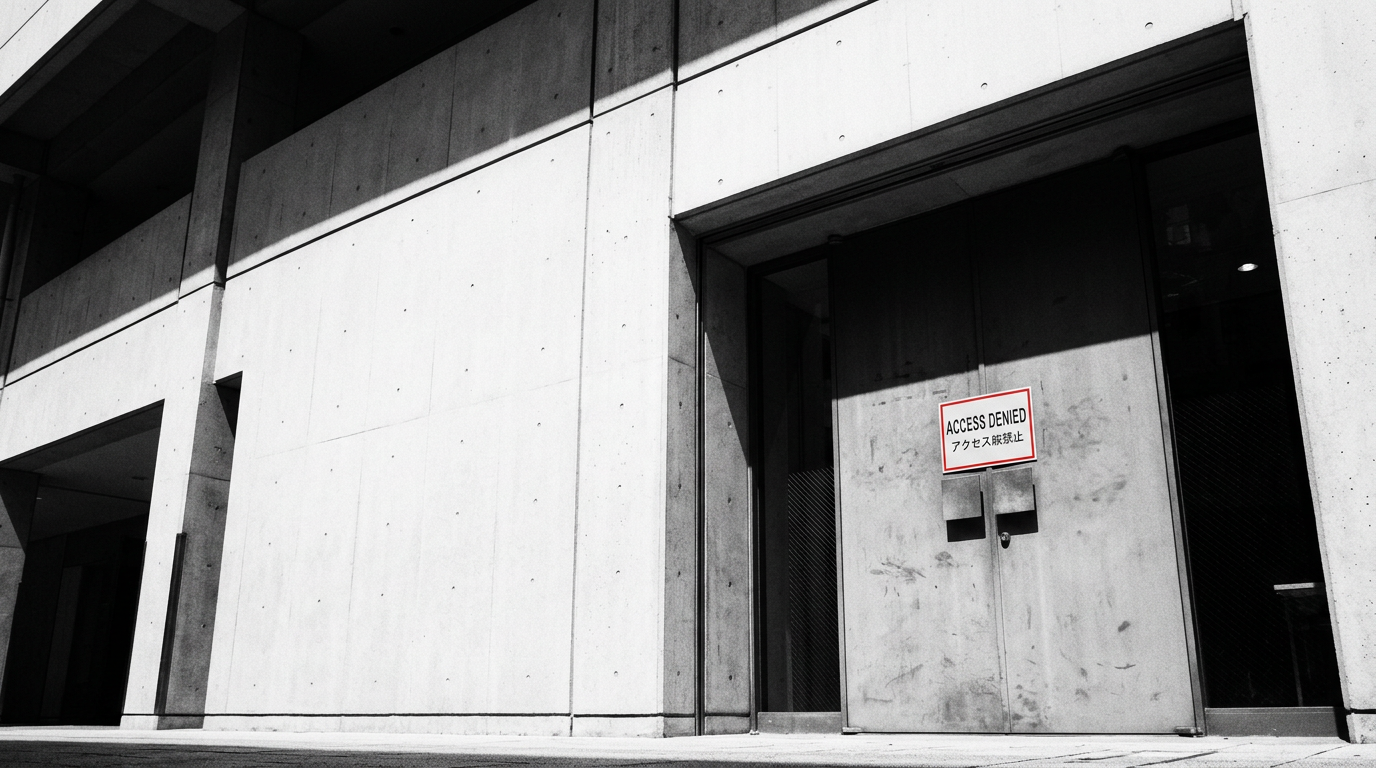
The Nagoya incident, as described by organizers and participants, involved an initial refusal to admit Taiwan's sports minister to a ceremony. The minister was later permitted to enter after Taiwan's delegation protested, while organizers defended the local arrangements even as complaints emerged over transport and accommodation.
For U.S. policymakers, the question is less whether Washington should intervene in an event-management dispute and more whether silence leaves room for new informal limits on Taiwan's participation. The White House, State Department, Pentagon and Congress usually approach Taiwan through security, trade and diplomatic channels, but sports governance can become part of the same contest over international space.
Congress is likely to be the most vocal part of Washington if the dispute grows. Lawmakers from both parties have often treated Taiwan's exclusion from international bodies as evidence of coercive pressure from Beijing, while executive-branch officials tend to calibrate language more tightly to avoid a direct clash over recognition policy.
The State Department's usual lane would be narrower: support for fair participation and opposition to coercion, without rewriting the Olympic framework that uses the Chinese Taipei designation. That distinction matters because an overtly political U.S. response could strengthen the argument made by sports officials who want politicians kept away from games operations.
The Pentagon's interest would be indirect. It does not manage sports diplomacy, but it tracks regional signaling in the Indo-Pacific, including actions that appear designed to normalize constraints on Taiwan's official presence beyond formal diplomatic settings.
Think tanks and Taiwan specialists in Washington are likely to read the Nagoya episode as part of a broader pattern rather than a standalone seating or credentialing dispute. The mechanism is familiar: a technical rule is enforced in a way that affects Taiwan's visibility, Taiwan protests, organizers adjust or defend the decision, and governments decide whether to speak or stay quiet.
That pattern leaves the U.S. with three workable paths. If Washington stays silent, the immediate diplomatic temperature may remain lower, but Taiwan's supporters may argue that regional sports bodies have little incentive to apply access rules consistently.
If U.S. officials issue a narrow statement supporting consistent treatment for all delegations under Olympic rules, they can back Taiwan's participation without claiming authority over the event. That approach would put the burden on the IOC, the Olympic Council of Asia and local organizers to clarify the access rule that caused the dispute.
If Washington frames the episode as part of a broader pressure campaign against Taiwan, the message would be clearer politically but riskier institutionally. It could invite regional sports bodies to say the United States is doing the same thing Sheikh Joaan warned against: bringing politicians deeper into sport.
The industry effects are practical. Multi-sport event organizers, national Olympic committees and host governments would face higher scrutiny over credentialing, transport, ceremony access and title protocols, especially where delegations have contested political status.
For athletes and teams, the risk is that governance disputes consume attention before competition begins. For sponsors and broadcasters, the risk is reputational: a ceremony controversy can move faster than the event's own sporting narrative, especially when it touches Taiwan, China and U.S. policy.
At the macro level, this will not move trade flows or defense planning by itself. Its importance is as a small indicator of how political pressure travels through nontraditional institutions in the Indo-Pacific, where sports bodies, universities, technology standards groups and cultural forums can become arenas for recognition disputes.
By December 18, 2026, the observable test is whether the International Olympic Committee, the U.S. Olympic and Paralympic Committee, the White House or the State Department makes an on-the-record statement on Taiwan's participation and access at upcoming multi-sport events. The forward call is right if U.S. officials reaffirm support for a neutral, rules-based sports framework while signaling that Taiwan's athletes and delegation should receive consistent treatment under Olympic rules; it is wrong if Washington moves toward a punitive or overtly political approach, or if regional sports bodies adopt practices that narrow Taiwan's participation outside the existing Olympic framework.