North Korea Endorses Iran's New Supreme Leader
North Korea endorsed Iran's new Supreme Leader on March 11, 2026, condemning U.S.-Israel military actions and conducting a missile test.
Lauren Collins ·
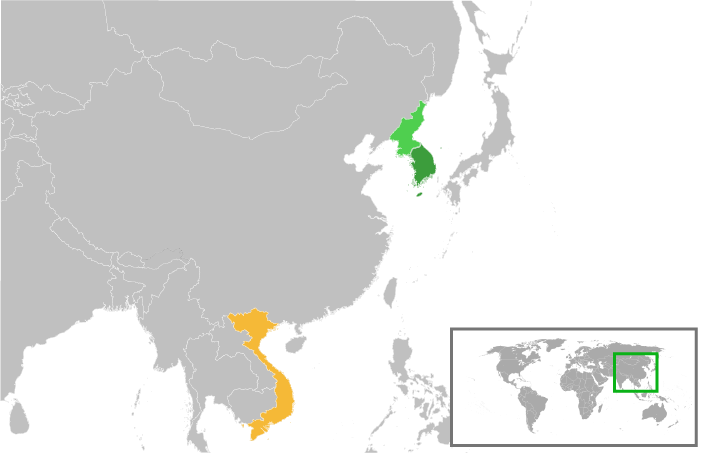
Pyongyang has formally recognized Mojtaba Khamenei as Iran's new Supreme Leader, a move announced on March 11, 2026. This endorsement was accompanied by strong condemnation from North Korea regarding recent military actions undertaken by the United States and Israel against Iran. The state-run Korean Central News Agency (KCNA) reported North Korea's stance, emphasizing respect for Iran's leadership selection.
North Korea's Foreign Ministry spokesperson characterized the U.S. and Israeli military operations as undermining the sovereignty and territorial integrity of a nation. This statement reiterated earlier denunciations from Pyongyang, which had previously labeled these actions as "gangster-like conduct" following the initial conflict 12 days prior. The North Korean government expressed concerns that these events could destabilize regional peace and international security.
Pyongyang's Strategic Posture
During the missile test, Kim Jong Un reportedly highlighted the necessity of developing a "powerful and reliable nuclear war deterrent." This marks the second missile launch from the Choe Hyon, signaling a continued focus on its nuclear program despite international efforts to curb its development over several decades.
International Relations and Nuclear Ambitions
North Korea's consistent pursuit of its nuclear and missile programs has been a central point of contention in its foreign relations. The country views these capabilities as essential for its national security and as a deterrent against perceived external threats. The recent endorsement of Iran's leadership and the missile test collectively signal Pyongyang's assertive foreign policy and defense strategy.
Regional Stability Concerns
This situation highlights the complex interplay between state sovereignty, international law, and the pursuit of national security interests by various actors on the global stage. The reactions from major powers, particularly the United States, will be crucial in shaping the trajectory of these evolving geopolitical relationships.
Implications
Country Impact: North Korea's endorsement of Iran's new leader signals a potential strengthening of ties between two nations often at odds with Western powers. This could lead to increased diplomatic isolation for both countries from the U.S. and its allies, potentially impacting future international negotiations and sanctions regimes.
Industry Impact: The continued development of North Korea's strategic cruise missiles, as demonstrated by the recent test, suggests ongoing investment in its defense industry. This could lead to further advancements in military technology, potentially influencing arms proliferation concerns and the global defense market dynamics.
Market Impact: Geopolitical tensions arising from North Korea's actions and its alignment with Iran could introduce volatility into global markets, particularly in energy and defense sectors. Increased instability might prompt investors to seek safe-haven assets, affecting currency and bond markets.