Trump Claims Iran Has Tomahawk Missiles Amid School Attack
Former U.S. President Trump claimed on March 10, 2026, Iran might possess Tomahawk missiles after a school attack, unconfirmed by the Pentagon.
Lauren Collins ·
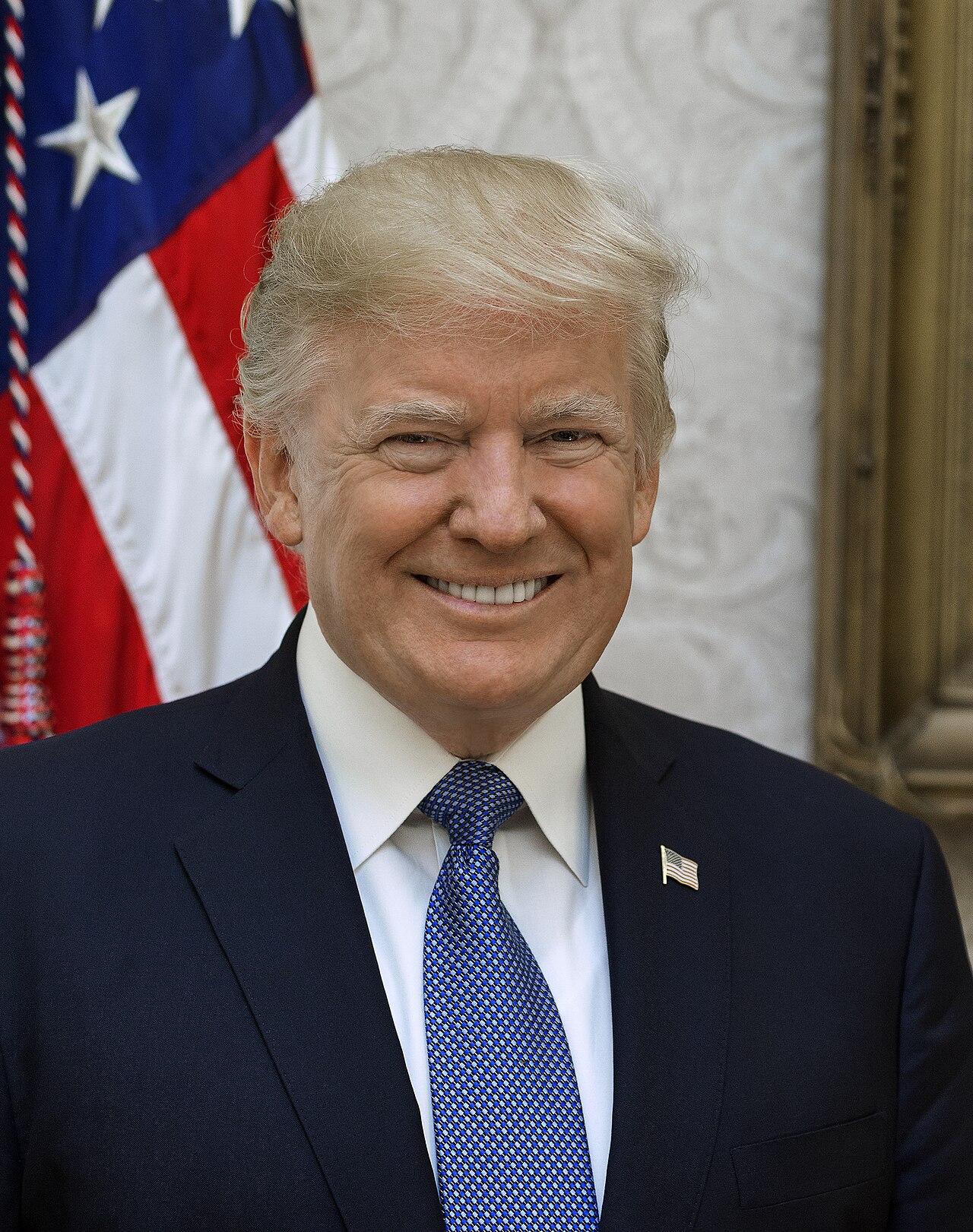
Former U.S. President Donald Trump asserted on March 10, 2026, that Iran might possess Tomahawk cruise missiles. This statement emerged during a press conference where Trump addressed a February 28 attack on an Iranian girls' school, which resulted in 175 fatalities. The incident occurred amidst ongoing U.S. and Israeli military actions targeting Iran.
Video evidence circulating after the attack suggested a U.S.-manufactured Tomahawk missile was responsible for the destruction of the school. Trump, when questioned by reporters about the U.S. military's use of the weapon, maintained that Tomahawk missiles are widely sold and utilized by various nations, including Iran. He indicated that an investigation into the incident was underway and expressed readiness to accept its conclusions.
Missile Capabilities and International Use
The Tomahawk cruise missile, produced by the U.S. firm Raytheon, is known for its extended range, capable of striking targets up to 1,000 miles away. Its primary operators include the U.S. military and several allied nations. While other countries do operate Tomahawk systems, none are presently engaged in direct conflict with Iran.
Official Response and Context
The U.S. Department of Defense has not corroborated Trump's claim regarding Iran's possession of these specific missiles. This assertion by the former president adds a layer of complexity to the ongoing geopolitical tensions in the Middle East, particularly concerning military engagements involving the United States, Israel, and Iran.
Geopolitical Implications
The broader context includes heightened military activity in the region. Both the United States and Israel have conducted strikes against Iranian targets, contributing to an already volatile security environment. The accusation of Iran possessing advanced U.S. weaponry, if substantiated, would significantly alter strategic calculations in the region. However, without official confirmation, the claim remains a point of contention.
Historical Precedent and Weapon Proliferation
Historically, the proliferation of advanced weaponry in conflict zones often leads to increased instability and escalatory risks. The Tomahawk missile, a sophisticated long-range precision weapon, represents a significant military capability. Any unconfirmed reports of its presence in the hands of non-allied states typically draw considerable international attention due to potential shifts in regional power balances and deterrence strategies.
The ongoing investigation into the school attack is crucial for clarifying the origins of the weapon used and its implications for international security. The incident underscores the critical need for transparent and verifiable information in times of conflict to prevent miscalculation and further escalation.
Implications
Country Impact: The claim regarding Iran's missile capabilities could escalate tensions between Iran, the U.S., and Israel, potentially influencing regional security policies and military postures. It may also impact domestic political discourse within the U.S. regarding foreign policy and defense.
Industry Impact: The defense industry, particularly manufacturers of advanced missile systems like Raytheon, could face increased scrutiny regarding weapon proliferation and end-user agreements. This could lead to tighter export controls or revised international arms sales policies.
Market Impact: Uncertainty surrounding military capabilities and regional conflicts typically introduces volatility into global energy markets, particularly oil prices. Defense sector stocks might react to perceived shifts in geopolitical risk and potential demand for advanced weaponry.