Chiang Mai Chokes: Wildfires Trigger "Very Unhealthy" Air
Chiang Mai PM2.5 was rated “very unhealthy” Wednesday as Thailand logged 4,750 hotspots Tuesday, prompting closures, enforcement, and legal pressure.
Ayla Demirhan ·
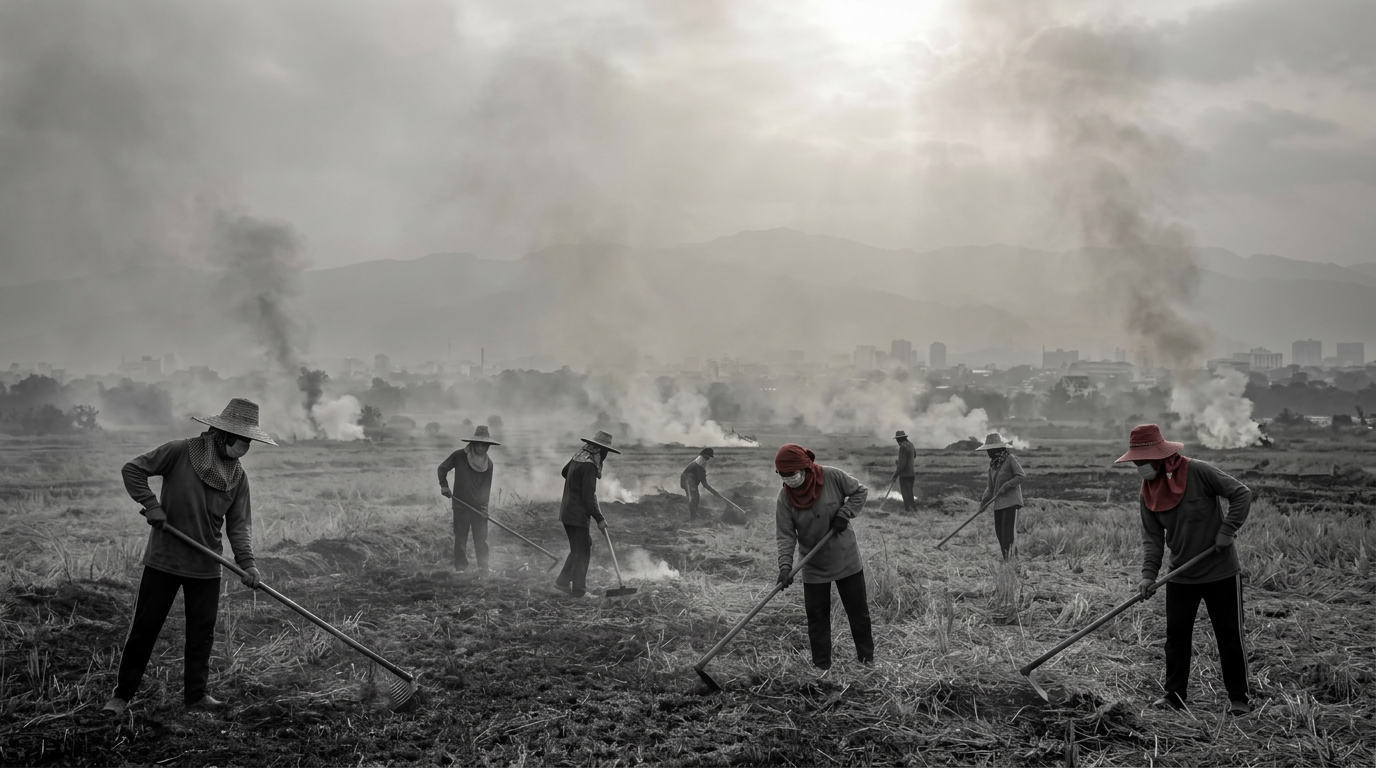
Chiang Mai’s air quality worsened sharply on Wednesday morning , after monitoring groups classified local PM2.5 readings as “very unhealthy.” Residents said the thickening haze is driving health worries and, for some households, discussions about moving away as conditions deteriorate.
Officials attributed the smoke-filled air to a rise in fire activity that has cut visibility and intensified pollution across the region. Satellite data logged 4,750 hotspots across Thailand on Tuesday , with many located in forested areas, and authorities said smoke from these fires contributed to the haze affecting Chiang Mai.
The episode is unfolding during Thailand’s annual peak fire season, which runs from November to March . Officials said this period can bring a combination of burning and dry conditions that increases particulate pollution, raising the risk of prolonged haze episodes in the north.
Residents described health problems they associate with the haze, including frequent nosebleeds, rashes, and allergic reactions. Children were described as particularly affected, adding to anxiety among families as the season continues. The “very unhealthy” PM2.5 label reflects heightened concern about fine particulate matter that is widely regarded as hazardous at elevated concentrations.
Authorities said they responded with enforcement and access-control steps intended to reduce risks and deter illegal burning. Officials said parks assessed as high-risk were closed. Authorities also warned of arrests for illegal forest burning, citing penalties that can reach up to 20 years in prison and a 2 million baht fine.
The haze is also intersecting with a legal and political dispute over how the state handles recurring air-quality crises. In July 2023 , about 1,700 Chiang Mai residents filed a lawsuit against former Prime Minister Prayut Chan-o-cha and two state agencies, alleging insufficient action on pollution. That pressure continued into 2024, when a Chiang Mai court in January ordered the government to produce an emergency plan aimed at improving air quality within 90 days .
Similar hazardous haze conditions were also reported across Malaysia and Indonesia . Officials said those areas recorded their highest number of hotspots in seven years , underscoring that fire activity and smoke can align across borders and elevate regional health and environmental risks at the same time.
Key unknowns include whether hotspot counts stay high through the November–March season, how consistently enforcement actions are applied, and whether the government meets the court-ordered 90-day deadline for an emergency air-quality plan. For residents and businesses, immediate concerns include how long “very unhealthy” conditions persist and how closures and reduced outdoor activity affect daily life during peak haze periods.