Cannabis Clinics Under Fire After Inquest Findings
UK cannabis clinics face scrutiny after a coroner linked a medicinal cannabis prescription to Oliver Robinson’s November 2023 death.
Ayla Demirhan ·
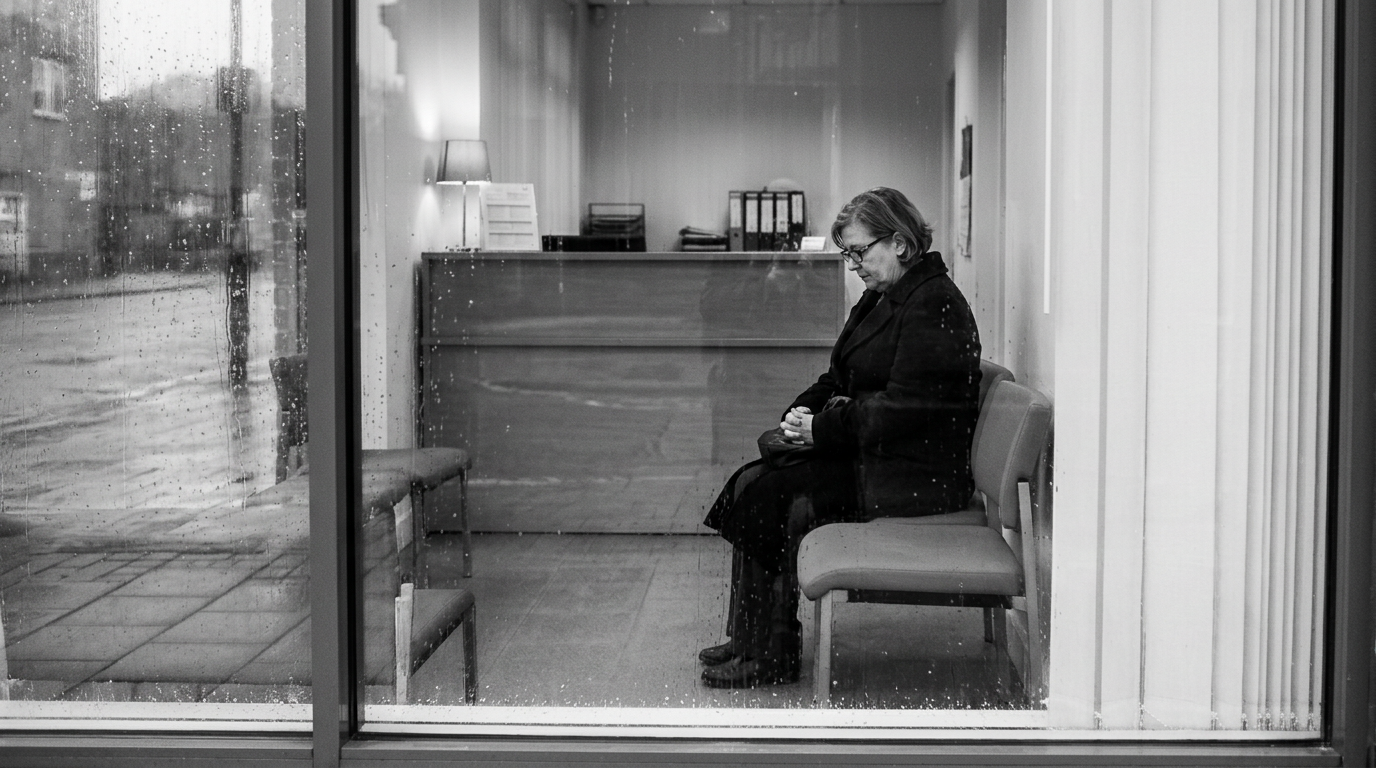
UK regulators and private medicinal cannabis providers are facing renewed scrutiny after a coroner’s inquest linked a prescribed cannabis product to the death of Oliver Robinson, 34, in November 2023.
The Manchester North coroner concluded that Robinson’s medicinal cannabis prescription, issued by Curaleaf Clinic, “probably contributed to his death” and “acted as an obstacle” to him receiving appropriate psychiatric and addiction treatment. Officials involved in the inquest described Robinson as having a history of depression and addiction. He received his first medicinal cannabis prescription in May 2022, according to the case details presented.
Following the inquest conclusion, Robinson’s family has called for tighter controls on private cannabis clinics. Their proposals include a ban on prescribing medicinal cannabis to patients with serious mental illness, alongside stronger oversight of a private sector that has expanded since legal changes allowed wider access to cannabis-based treatments.
Medicinal cannabis was legalized in the UK in 2018. Under the framework introduced at that time, specialist doctors can prescribe cannabis-based medicinal products (CBMPs), including unlicensed products, and prescriptions can be issued in both NHS and private settings. In practice, the NHS largely prescribes a limited set of licensed CBMPs for specific conditions, while most products supplied through private prescriptions are unlicensed.
Data from the NHS Business Services Authority shows rapid growth in private prescribing of unlicensed cannabis products. The number of private prescriptions for unlicensed cannabis products rose from 282,920 in 2023 to 659,293 in 2024, according to the data cited. Separately, about 80,000 people in the UK are currently reported to hold private prescriptions for medicinal cannabis.
Clinical concerns have also been raised by expert psychiatrists, who pointed to limited evidence supporting cannabis as an effective treatment for depression. They also noted the potential for cannabis to worsen depression, particularly among people with a history of severe psychiatric disorders. These views have added to the debate over how private clinics assess risk, monitor patients, and coordinate care when mental health and addiction issues are present.
The case is intensifying attention on how the UK’s mixed NHS-private model operates for CBMPs, especially where unlicensed products dominate private prescribing. What remains unclear from the available information is whether new national rules will be introduced, and how any changes would be applied across private providers and specialist prescribers.