Mpox Variant in SF Sewage Puts Health Officials on Alert
Mpox variant found in San Francisco wastewater has officials on alert; no local human cases confirmed as CDC and city investigate.
Ayla Demirhan ·
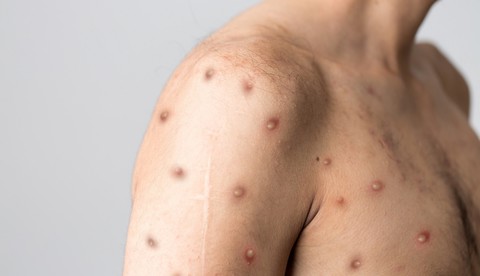
San Francisco health officials are investigating after a new mpox variant was detected in the city’s wastewater , a finding that authorities described as an early warning rather than evidence of an active local outbreak. The sample came from the Oceanside treatment plant and was identified through San Francisco’s wastewater monitoring program, the Sewer Coronavirus Alert Network (SCAN), which tracks potential public health threats.
Officials said no human mpox cases have been confirmed in San Francisco linked to this detection. Even so, the discovery has drawn attention because the variant is genetically linked to Clade I mpox, a form of the virus associated with more severe outcomes. The finding is also notable because it is the first time this specific variant has been identified in US sewage, according to the information provided.
The concern centers on how Clade I compares with the strain that drove the 2022 global outbreak. Clade I mpox is predominantly found in Central Africa and has an estimated fatality rate of up to 10%, while the Clade II strain that spread widely in 2022 has a fatality rate of less than 1%. San Francisco was among the cities described as an epicenter during the 2022 outbreak, which is part of why local surveillance and response systems remain closely engaged.
Health professionals pointed to a known international link for the newly detected variant. The variant found in San Francisco’s sewage was previously traced to a patient in the Democratic Republic of Congo who had contracted a Clade I_b subtype before traveling. Dr. Peter Chin-Hong of UCSF said the virus could have been shed by a traveler and called the situation a “wake-up call,” underscoring why officials are treating the signal as significant even without confirmed local cases.
The timing also aligns with federal messaging on risk. On May 16, one day before the wastewater sample was collected, the Centers for Disease Control and Prevention (CDC) issued a health advisory about global risks tied to the spread of Clade I mpox. The San Francisco Department of Public Health said it is working with the CDC to investigate further and is urging residents to watch for symptoms and seek vaccination if eligible.
Public health officials are also renewing calls to close vaccination gaps that persisted after 2022. National data cited by officials shows only 23% of the at-risk population is fully vaccinated with the two-dose Jynneos vaccine, with many people receiving a first dose but not returning for the second.
Officials believe Jynneos is effective against Clade I strains, and they are emphasizing completion of the full regimen, particularly as Pride Month approaches and large gatherings increase the importance of vigilance.