MPD’s Special Liaison Branch serves as the department’s citywide community contact
The Metropolitan Police Department’s Special Liaison Branch connects MPD with DC communities, providing dedicated outreach and points of contact.
Sophie McAlister ·
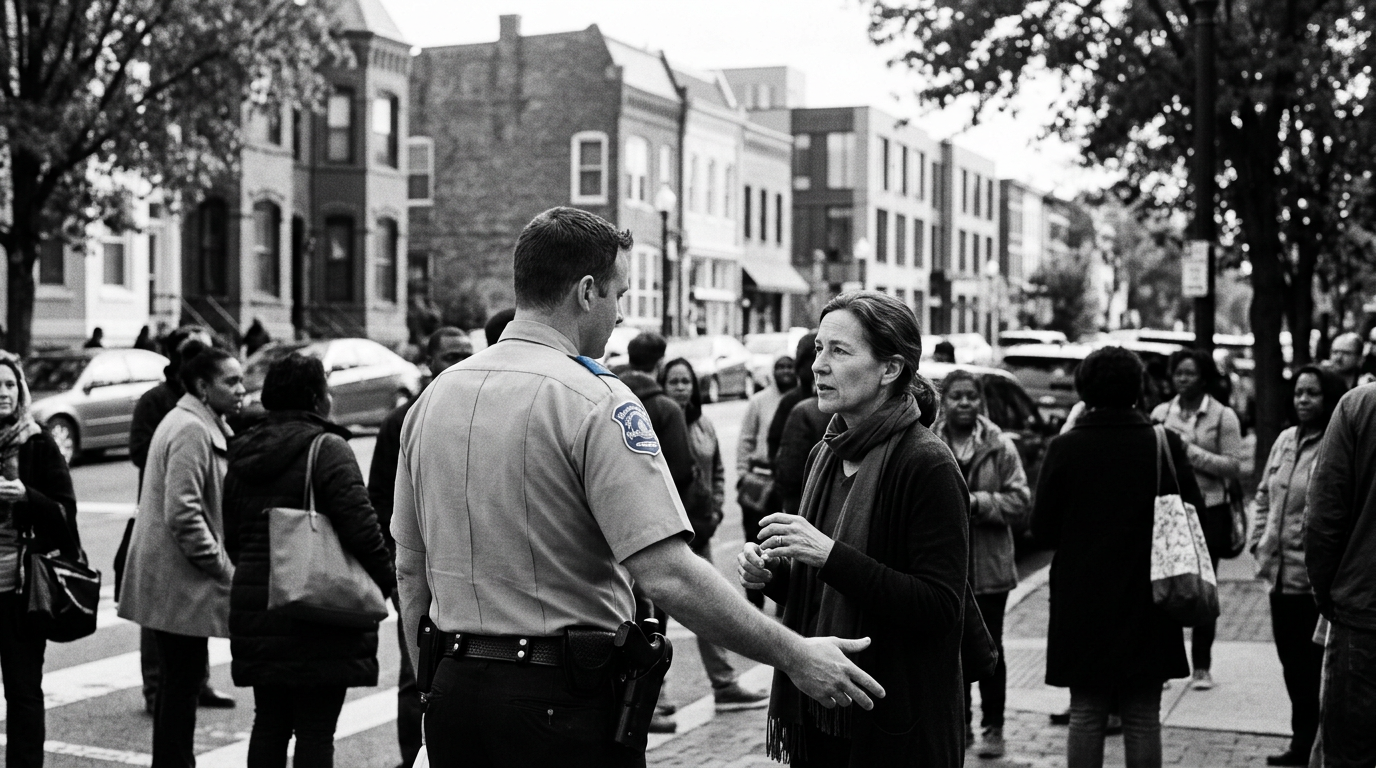
As of May 12, 2026, the Metropolitan Police Department (MPD) lists the Special Liaison Branch on its official website as the unit responsible for coordinating community outreach and maintaining designated points of contact across Washington, D.C. The page describes the branch’s role in linking MPD with community groups and residents citywide and provides contact details and guidance for people seeking departmental support.
The Special Liaison Branch operates inside the MPD organizational structure and focuses on relationship building between the police department and Washington’s diverse communities. The MPD’s public page describes how the branch serves as a central access point for community organizations, faith groups, advocacy groups and residents who need information, assistance, or a direct channel into departmental leadership.
What the branch does
According to MPD’s online description, the branch provides designated liaisons who help communicate community concerns to the department and explain MPD services and procedures back to residents. The page highlights that the branch handles outreach, coordinates meetings with community stakeholders, and helps link people to MPD resources.
The available contact information and guidance on the MPD site make the branch a practical resource for residents and organizations that want to raise neighborhood safety issues, request outreach programming, or understand how to engage with MPD on community matters. The page is positioned as an official starting point for nonemergency interactions between the public and the police.
Why residents and groups use it
Community organizations and leaders can use the branch to escalate persistent concerns or to request partnership on outreach events and public-safety education. The MPD page frames the branch as a bridge: it funnels local issues into the department’s operations and helps ensure that community input is routed to the appropriate units.
The online listing also clarifies expected boundaries: the Special Liaison Branch provides outreach and contact services rather than responding to active crimes, which remain within the remit of patrol units and investigative teams. For emergencies or active incidents, MPD directs residents to standard emergency channels.
MPD’s public-facing description of the branch is intended to make it easier for residents across D.C. neighborhoods to find the right point of contact within the department, particularly for nonemergency, community-focused concerns.
Look for updates to contact details or expanded outreach programs on the MPD website and at community meetings; officials often adapt liaison work to reflect shifting neighborhood priorities.