Amazon launches electric cargo-bike delivery pilot across Washington, D.C.
Amazon has launched a pilot program using electric cargo bikes for last-mile deliveries in D.C. to cut emissions and ease urban congestion.
Sophie McAlister ·
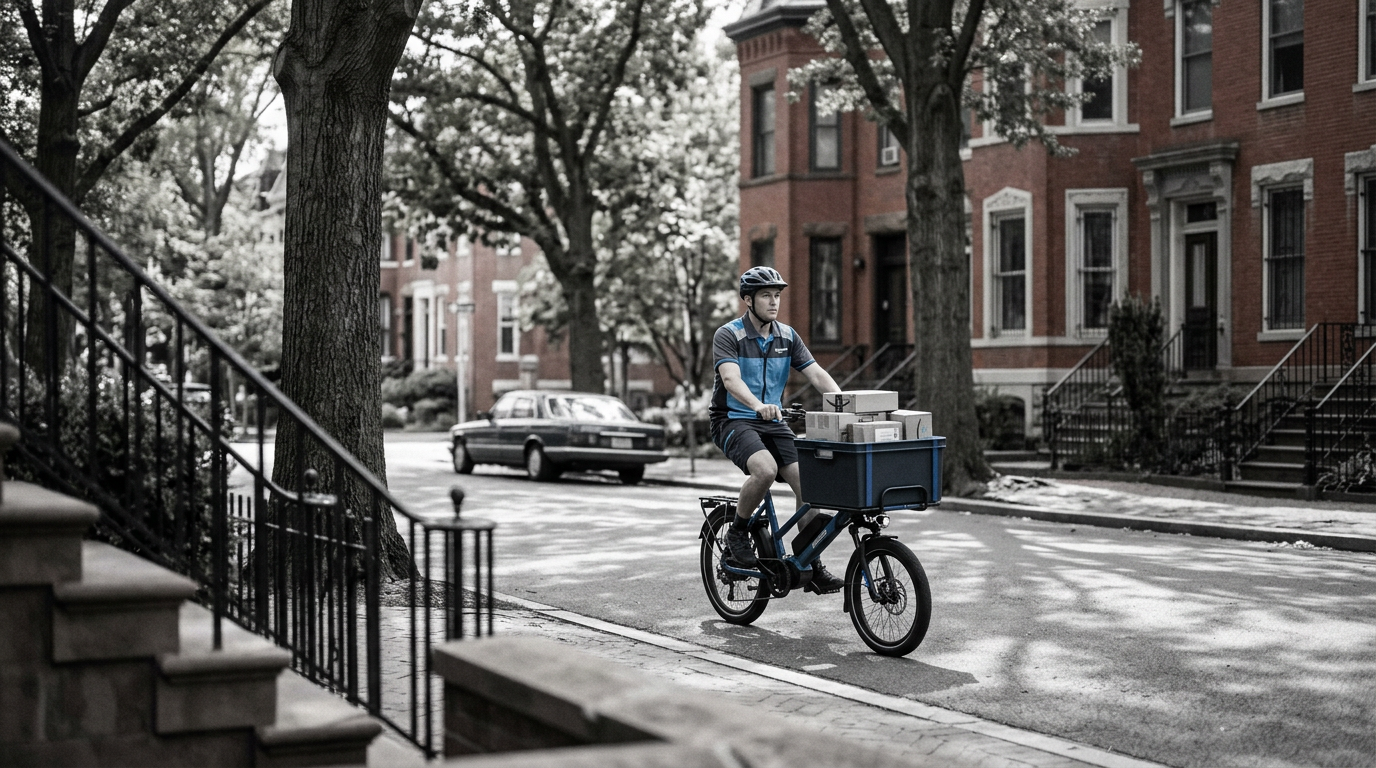
Amazon has started a pilot program deploying electric cargo bicycles for deliveries across Washington, D.C., this month. The company says the e-cargo bikes will handle last-mile drops in neighborhoods where bike access and short trips can replace van routes. Amazon framed the move as a test of lower-emission, space-efficient delivery options in dense urban streets.
The rollout will see delivery riders using electric-assist cargo bikes to move packages between local delivery hubs and customers’ doorsteps. Amazon characterized the initiative as part of broader efforts to shrink the carbon footprint of deliveries while improving maneuverability in neighborhoods where curb space and parking are limited. The company said the bikes are intended for types of deliveries that fit the capacity and range of cargo bicycles.
How the pilot is expected to operate
Under the pilot, e-cargo bikes will operate from local staging points where packages are aggregated before short, bike-based runs. Amazon said riders will follow the company’s safety and operational protocols while navigating city streets. The program is framed as complementary to van and truck fleets rather than a wholesale replacement, focused on short-distance routes where bikes can be faster or more reliable.
Amazon noted that cargo bikes are designed to carry multiple small parcels and can access locations that are difficult for vans to reach quickly. Company representatives emphasized routing and load-matching software that directs appropriate packages to the bike fleet, aiming to keep service levels consistent while reducing the number of motor vehicles on neighborhood blocks.
Implications for neighborhoods and city management
Local transportation and traffic management will watch how the pilot changes curb use, parking demand and pedestrian interactions. The shift to bikes could ease pressure on curb space in dense corridors and reduce idling trucks, but it will also raise questions about loading zones, bike parking and delivery staging near sidewalks. City agencies that manage curb regulations and street safety will be stakeholders as the rollout progresses.
The pilot may also affect delivery workers’ daily routines, since bike deliveries require different physical demands and training than van routes. Amazon said riders will be equipped and trained specifically for cargo-bike operations and that the program is part of companywide efforts to explore less carbon-intensive delivery methods.
Amazon framed the pilot as a learning exercise: the company will monitor delivery speeds, reliability, rider experience and neighborhood impacts as it evaluates whether and how to expand bike-based routes. Observers in the private sector and city government will be watching data from the pilot to inform curb management and clean-transportation planning.
What to watch next: city responses on curb regulation, any expansion announcements from Amazon and early performance metrics from the pilot.