Missouri Judge Affirms New Congressional Districts
A Missouri judge upheld the state's new U.S. House districts on March 12, 2026, rejecting a partisan gerrymandering challenge.
Lauren Collins ·
A Missouri circuit court judge has upheld the state's recently redrawn U.S. House districts, rejecting a legal challenge that argued the map constituted an unconstitutional partisan gerrymander. The ruling, issued on Tuesday, March 12, 2026, by Cole County Circuit Judge Daniel Green, confirms the existing congressional boundaries for the upcoming 2026 midterm elections.
The lawsuit, initiated by a coalition of Missouri voters, contended that the district lines unfairly diluted the electoral influence of specific demographic groups. These new districts, implemented after the 2020 census, were reportedly crafted to enhance the prospects of Republican candidates, particularly within the 2nd and 5th congressional districts.
Judicial Decision and Legal Basis
Judge Green's decision concluded that the plaintiffs did not provide sufficient evidence to prove the map violated the Missouri state constitution. The challenge specifically focused on constitutional requirements for districts to be compact and contiguous, which the court found were met.
This judicial outcome solidifies the electoral framework for federal elections in Missouri, potentially influencing the broader balance of power within the U.S. House of Representatives. The ruling follows a period of significant political contention and numerous legal battles across various states concerning congressional redistricting processes.
Context of Redistricting Challenges
Congressional redistricting, which occurs every ten years following the decennial census, is a highly politicized process. States redraw their electoral maps to reflect population shifts, often leading to accusations of gerrymandering—the practice of manipulating district boundaries to favor one political party or group. These challenges frequently cite constitutional provisions related to equal representation and fair elections.
Across the United States, courts have been actively involved in adjudicating these disputes, with outcomes varying based on state-specific constitutional language and judicial interpretation. The Missouri decision aligns with a trend where courts often defer to legislative maps unless clear constitutional violations are demonstrated.
Implications for 2026 Elections
The affirmation of Missouri's current congressional map means that the electoral landscape for the 2026 federal elections will proceed with these boundaries. This could have significant implications for candidate viability and party control, especially in closely contested districts. The map's design, reportedly favoring Republican incumbents and challengers, could contribute to the party's efforts to maintain or expand its majority in the U.S. House.
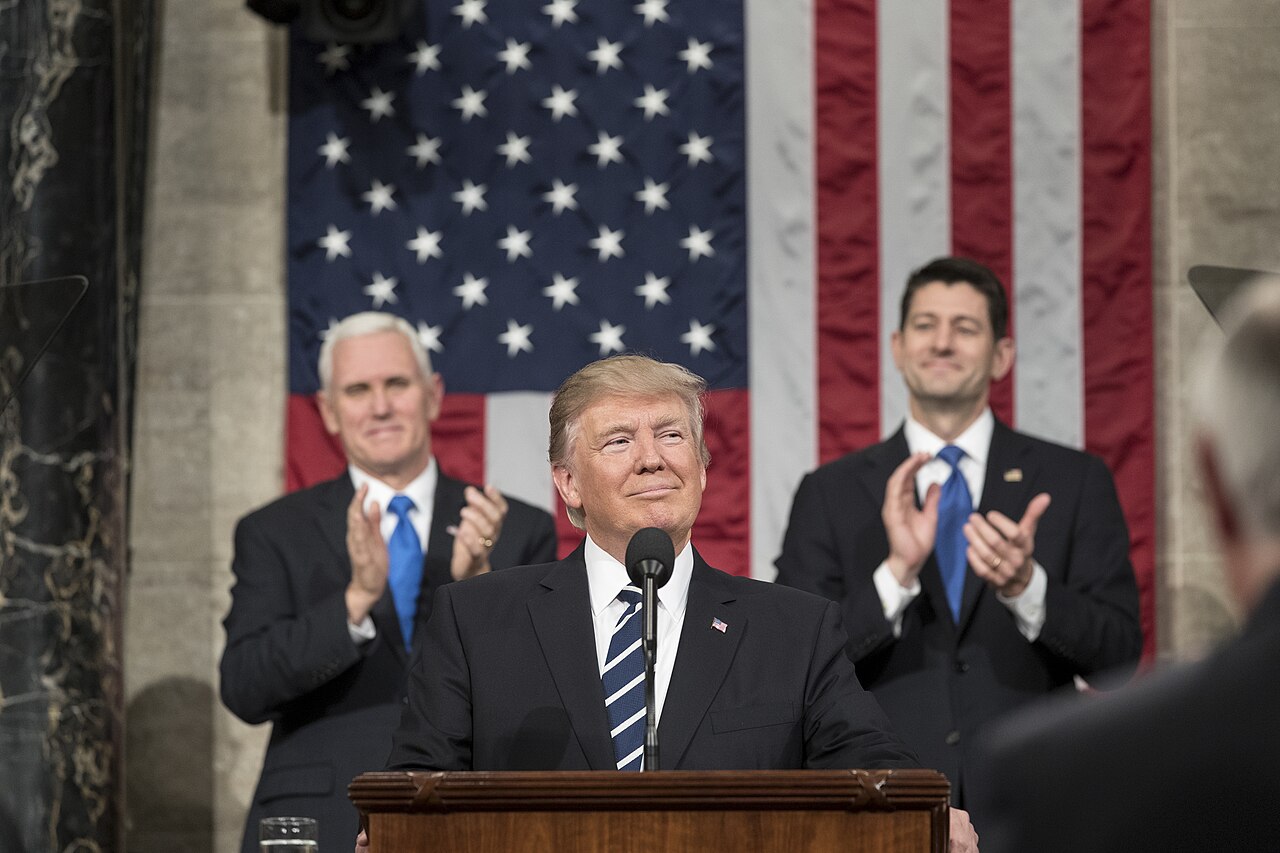
Former President Donald Trump had publicly supported the redrawn districts, highlighting the national political interest in state-level redistricting outcomes. The Missouri ruling underscores the ongoing judicial role in interpreting gerrymandering claims and their profound impact on electoral fairness and democratic representation nationwide.
Implications
Country Impact: The ruling in Missouri contributes to the national trend of judicial decisions on redistricting, impacting the overall composition and partisan balance of the U.S. House of Representatives. It reinforces the legal precedent for state-drawn maps unless specific constitutional infringements are proven.
Industry Impact: The legal services industry, particularly constitutional law and election law practices, continues to see high demand due to ongoing redistricting litigation across various states. Political consulting and campaign management industries are also directly affected by the stability or changes in electoral district boundaries.
Market Impact: While direct market impact is limited, political stability and the perceived fairness of electoral processes can indirectly influence investor confidence. Outcomes of key state-level political decisions, like redistricting, contribute to the broader political risk assessment for U.S. assets.