Mexico House Rejects Electoral Reform
Mexico's lower house rejected President Sheinbaum's electoral reform bill, prompting a "Plan B" to modify secondary laws.
Lauren Collins ·
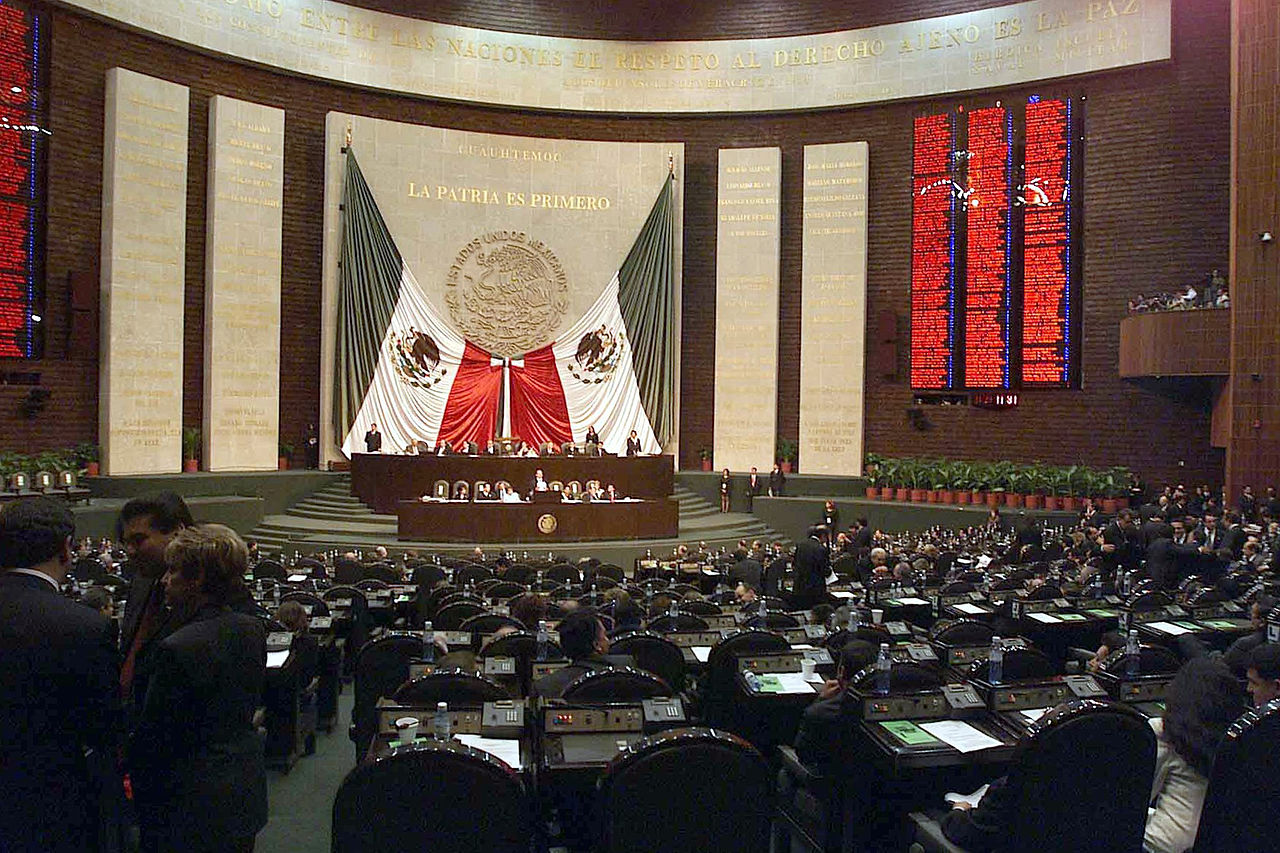
Mexico's lower house of Congress on Wednesday rejected an electoral reform bill proposed by President Claudia Sheinbaum. The legislation, which aimed to reduce Senate seats and increase oversight of electoral bodies, failed to secure the required supermajority, receiving 259 votes in favor and 234 against, with one abstention. This outcome occurred because Sheinbaum's usual allies, the Green Party (PVEM) and the Labor Party (PT), withheld their support, marking a rare division within the ruling coalition.
The proposed reform, introduced in late February, sought to strengthen democracy, increase citizen participation, and cut electoral costs by approximately 25%. Mexico's electoral system costs reached an estimated $3.55 billion in 2024. Following the rejection, President Sheinbaum indicated a "Plan B" strategy, which involves modifying secondary laws rather than the constitution. This alternative approach would only require a simple majority for passage.
Electoral experts suggest that this "Plan B" could still enable cuts to the National Electoral Institute (INE), changes to proportional representation, and new regulations concerning the use of artificial intelligence in political campaigns.