Danish PM's Stance on Greenland Impacts Political Standing
Greenland stance has strengthened Danish PM Mette Frederiksen’s standing, after she rejected Donald Trump’s 2019 purchase idea.
Lauren Collins ·
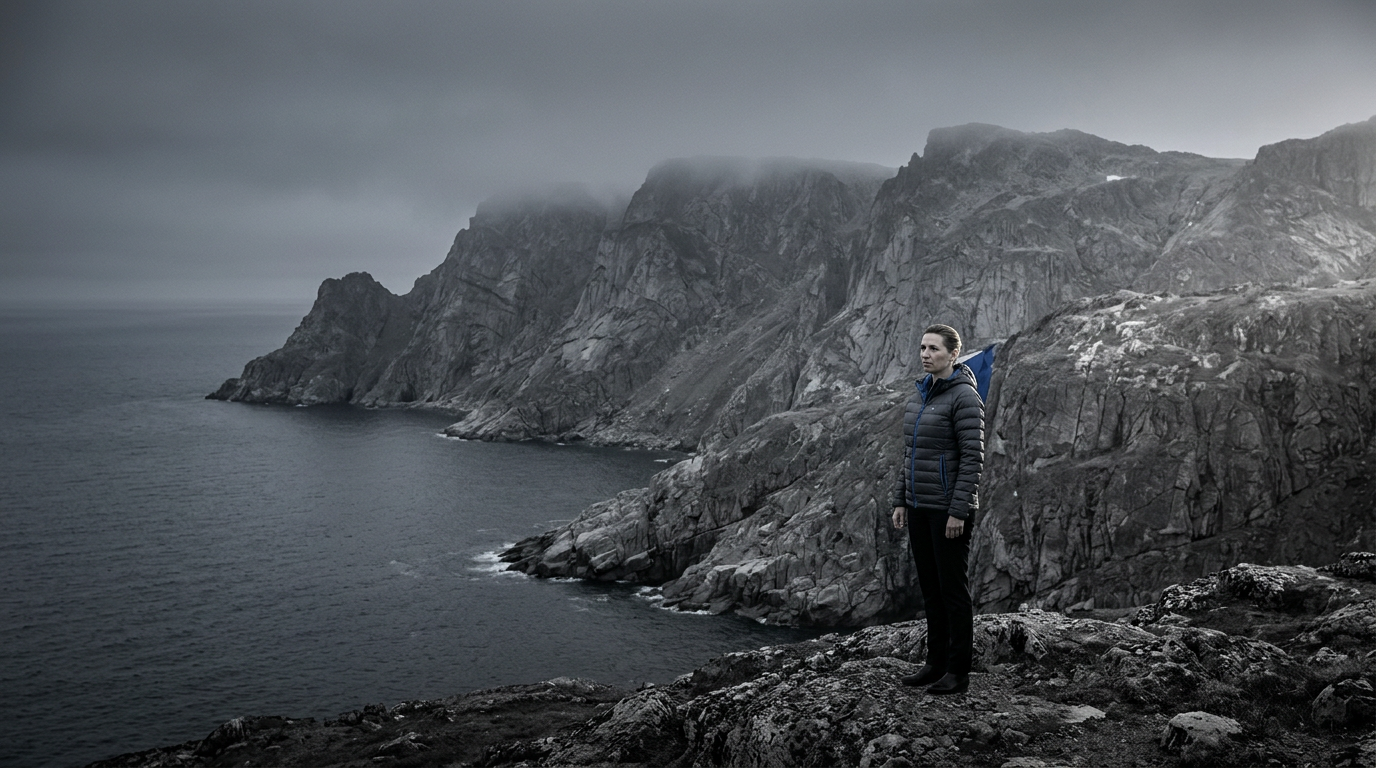
Denmark’s Greenland position reshapes domestic politics
Danish Prime Minister Mette Frederiksen’s handling of Greenland has become a defining political issue at home, with observers saying it has improved her standing and may support her re-election prospects.
The shift is tied to her government’s firm response to a 2019 proposal by then-US President Donald Trump to buy Greenland. Frederiksen repeatedly rejected the idea, aligning with Greenlandic leaders who said the self-governing territory was not available for purchase.
What changed in Copenhagen–Washington ties
The unified Danish and Greenlandic pushback did not stay confined to domestic debate. The episode contributed to diplomatic strain between Denmark and the United States.
Tensions intensified when Denmark summoned US diplomats. That step followed reports alleging covert US activity and espionage aimed at Greenland, adding another layer of friction to the bilateral relationship.
Security policy moves beyond Greenland
Frederiksen has also positioned herself as a prominent advocate for higher European defense spending. She has argued Europe should respond more forcefully to what she describes as Russian aggression and has urged an “emergency mindset” on security.
Alongside defense spending, she has called for Europe to reduce dependence on Chinese technology. The stated rationale is to support supply-chain diversification and address potential security concerns, in line with broader Western efforts.
Denmark’s defense steps and US cooperation
Denmark has moved to strengthen its own military posture. Measures cited include a revised national defense plan and a new defense cooperation agreement with the United States.
These decisions place Denmark within a wider Nordic pattern of deepening defense links with Washington as regional security dynamics evolve. The source material does not specify the terms, timelines, or funding levels for the Danish plan or the cooperation agreement.
Why markets and global politics are paying attention
For investors and policymakers, the story sits at the intersection of Arctic geopolitics, transatlantic relations, and Europe’s shifting security priorities. Greenland’s strategic relevance has made it a recurring focus in international politics, and Denmark’s approach can influence how allies coordinate in the region.
There are also clear uncertainties. The espionage-related reports are described as allegations, and the available information does not detail evidence, outcomes, or any subsequent changes in US or Danish policy tied directly to those claims.
What is confirmed in the source is the political effect described by observers: Frederiksen’s rejection of the purchase idea, the diplomatic steps taken by Denmark, and Copenhagen’s parallel push for stronger European defense and reduced reliance on Chinese technology.