McLaren Challenges Mercedes on F1 Cost Cap Interpretation
McLaren Racing has disputed Mercedes' claims about 2026 F1 cost cap limitations, suggesting teams have more flexibility for development.
Mehmet Şahinoğlu ·
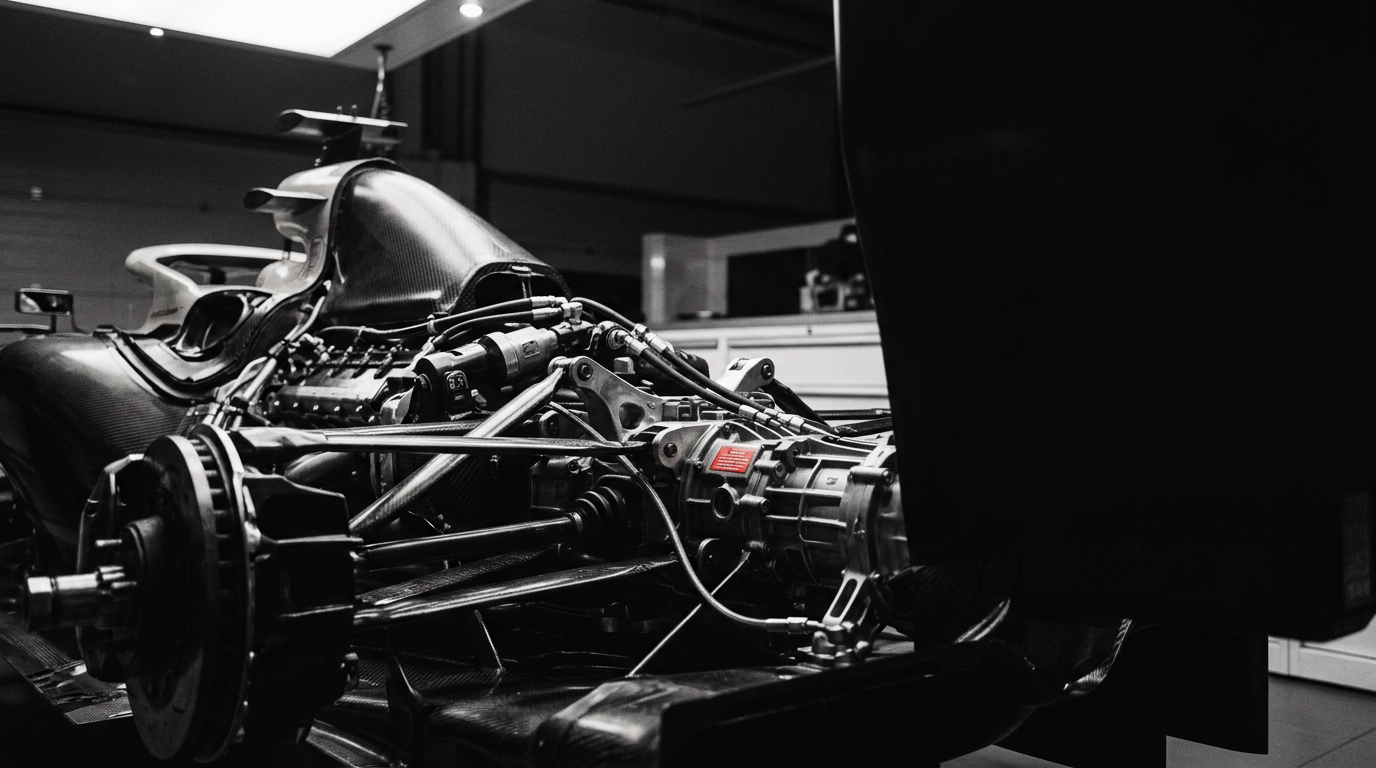
McLaren Racing officials have publicly questioned statements from the Mercedes-AMG Petronas F1 Team regarding the financial constraints affecting car development for the upcoming 2026 Formula 1 season. Mercedes management previously indicated that the existing budget cap of $215 million would restrict extensive mid-season vehicle upgrades, suggesting a careful allocation of resources.
However, McLaren Team Principal Andrea Stella expressed skepticism about Mercedes' assertions. Stella's comments point to a different understanding of Formula 1's financial regulations and how development funds can be strategically deployed by teams within the established rules.
Interpreting Cost Cap Regulations
McLaren contends that Mercedes' publicly stated financial restrictions might be overstated. They specifically cited a regulatory allowance of $3 million, designated for preparations related to the 2027 power unit transition. McLaren suggests this provision offers a viable avenue for teams to reallocate funds towards their 2026 vehicle development programs.
This perspective implies that Mercedes, alongside other teams, could possess greater flexibility to accelerate their technical development roadmap for the 2026 season than has been publicly acknowledged. The differing views highlight potential variations in how Formula 1 teams interpret and utilize cost cap reporting allowances to maintain competitive balance and achieve an advantage.
Strategic Resource Allocation Pressures
The disagreement underscores the increasing pressure on teams to skillfully balance immediate performance objectives for the current season with long-term regulatory compliance and the strategic distribution of financial resources. Formula 1's cost cap, which began in 2021, aims to foster a more level playing field by limiting spending on car development, operations, and personnel.
Under these regulations, teams must carefully consider how to invest their budget to maximize both short-term competitiveness and future technological advancements. Varying interpretations of budget flexibility and specific allowances, such as the $3 million provision for power unit transitions, could significantly influence competitive outcomes in the forthcoming seasons.
Balancing Current and Future Performance
This situation presents a significant strategic challenge for all teams on the grid. It demands meticulous planning to optimize spending under the stringent cost cap regulations. Teams are continuously evaluating trade-offs between dedicating resources to enhance current car performance and investing in research and development for future regulatory cycles.
The approaches ultimately adopted by McLaren, Mercedes, and their rivals will offer critical insights into their long-term competitive strategies as Formula 1's technical landscape continues to evolve. This ongoing discussion highlights the complex interplay between financial regulations, engineering innovation, and strategic decision-making in top-tier motorsport, affecting team performance and resource management.