TCU Dismisses Player Following Locker Room Assault Charges
TCU has dismissed safety Jacob Fields following aggravated assault charges related to a locker room incident that hospitalized Dozie Ezukanma.
Mehmet Şahinoğlu ·
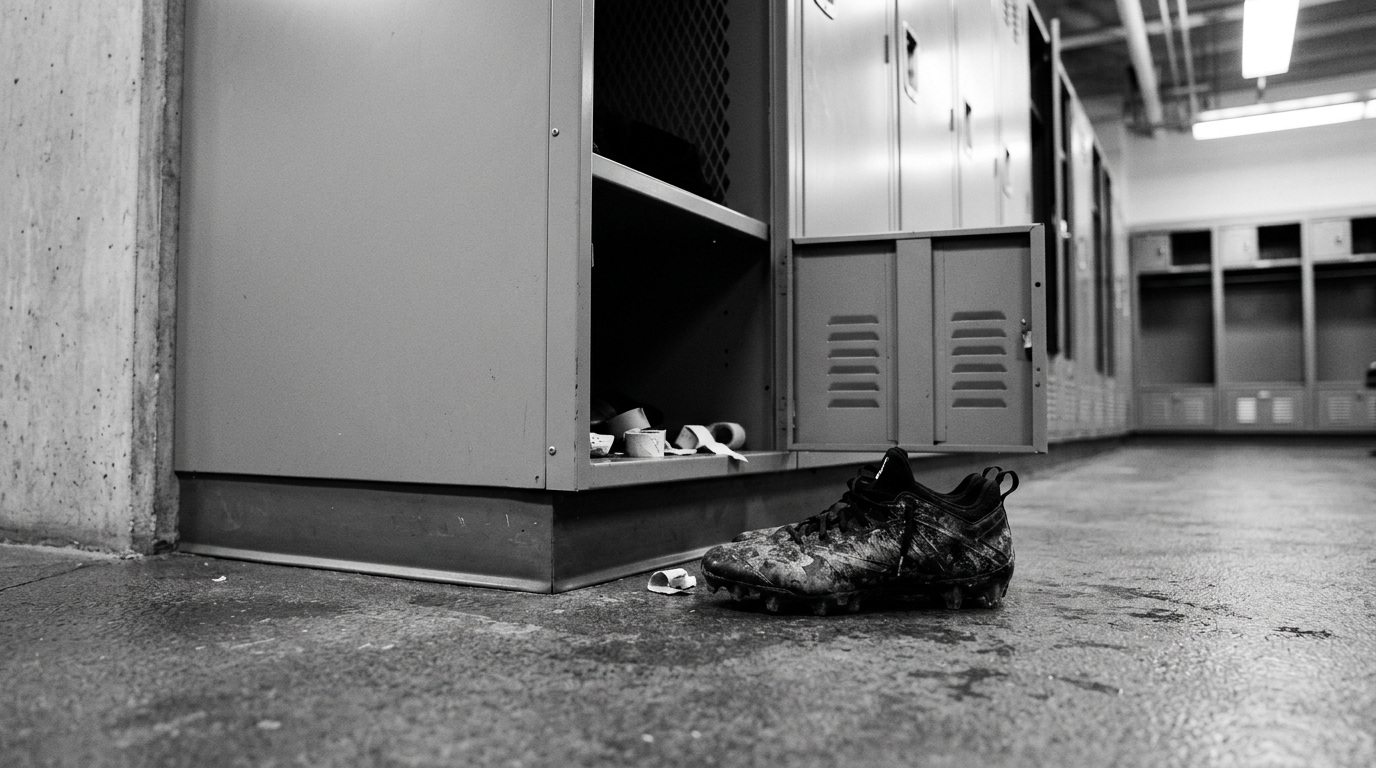
Texas Christian University (TCU) has removed safety Jacob Fields from its football program after he was charged with aggravated assault. The charge arises from an incident on August 13 within the team's locker room, which led to wide receiver Dozie Ezukanma being hospitalized for three days with serious injuries.
Ezukanma reportedly sustained a concussion and a brain bleed after Fields allegedly punched and kicked him in the head. Medical assessments indicated that a delay in transporting Ezukanma to a healthcare facility exacerbated his neurological trauma. Physicians managed his condition through intensive medication and several diagnostic scans.
University Response and Ongoing Investigation
TCU confirmed Fields' dismissal, noting that legal proceedings for the aggravated assault charge are currently active. The university issued a statement acknowledging that the incident brought to light existing concerns regarding internal team discipline and safety protocols for players in non-game settings. Local authorities continue to investigate the circumstances surrounding the altercation through the court system.
This event underscores a broader trend of increased scrutiny on player welfare within collegiate athletics, especially concerning incidents occurring outside of official competition. Universities are under pressure to ensure not only the physical safety of their athletes but also to foster an environment free from violence and misconduct.
Scrutiny on Player Safety Protocols
The incident has intensified examination of crucial player safety protocols, particularly the provision of immediate medical attention for injuries, especially those involving potential neurological trauma. The reported delay in Ezukanma’s transfer to a medical facility significantly contributed to the severity of his condition, raising critical questions about emergency response procedures within university programs.
TCU's prompt dismissal of Fields signals a strong institutional stance against such conduct. Nevertheless, the wider implications for the team environment, athlete well-being, concussion management, and overall player care remain under detailed review. Collegiate sports organizations are continually refining their policies to address these complex issues, aiming to prevent future occurrences and improve the response to critical health situations.
The case highlights the complex intersection of competition, personal conduct, and institutional responsibility within university sports. The outcome of the legal proceedings will likely influence future policies and enforcement measures concerning player behavior and safety standards across collegiate programs.
Broader Implications for Collegiate Athletics
Incidents like these draw attention from national bodies and can lead to re-evaluation of guidelines for student-athlete conduct and institutional oversight. The welfare of young athletes is a paramount concern for universities, and such high-profile cases often result in systemic changes designed to enhance protection and accountability. The focus extends beyond individual disciplinary actions to encompass comprehensive reviews of training environments, medical readiness, and crisis management protocols.