Marvin Gaye’s ‘What’s Going On’ Still Resonant in Washington at 55
A HillRag piece marks the 55th anniversary of Marvin Gaye’s What’s Going On, using a familiar Washington morning — the Capitol dome at dawn — to reflect on…
Sophie McAlister ·
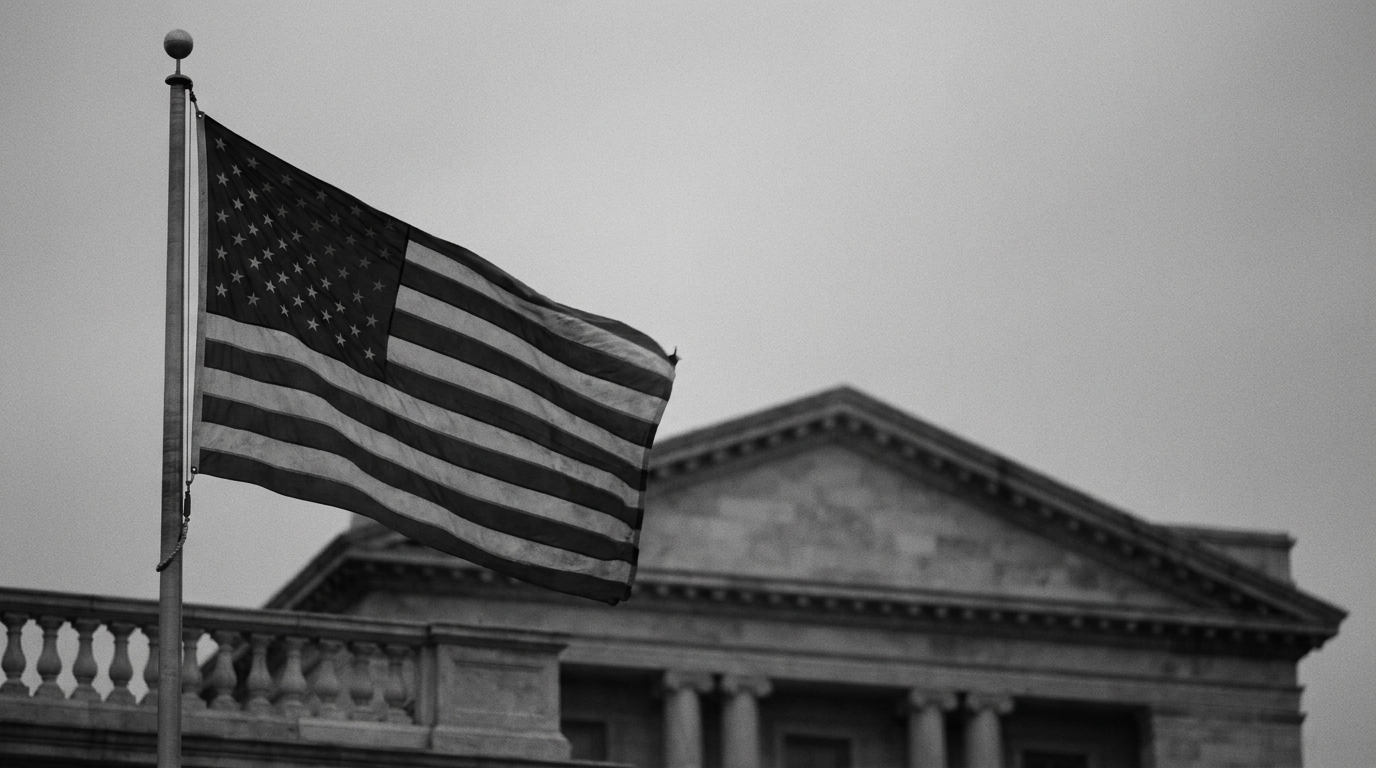
HillRag published a neighborhood essay on May 14, 2026, marking the 55th anniversary of Marvin Gaye’s album and title track What’s Going On. The short piece frames the milestone in local terms, opening with an early Washington morning scene—light on the Capitol dome and streets coming to life—and uses that image to connect the song’s themes to the city’s civic routine and contemporary concerns.
The HillRag item places the record’s anniversary squarely in the Capitol Hill readership’s orbit, pairing a cultural anniversary with the day-to-day rhythms familiar to east-of-the-river and downtown residents. The original song and album, released in 1971, have for decades been read as reflections on social turmoil, public protest and civic responsibility; HillRag’s short remembrance ties those broader themes to images readers associate with federal institutions and neighborhood life in Washington.
Local framing of a national touchstone
By anchoring the piece to a Washington morning—dawn over the Capitol, marble facades catching light—the HillRag note aims to make a cultural milestone feel immediate and neighborhood-specific. That choice follows a longtime HillRag approach: using local scenes and civic landmarks to give national stories a DC neighborhood angle. For readers on Capitol Hill and nearby, the anniversary becomes not only a music-history moment but a prompt to consider the song’s questions in the context of local civic routines and policy debates.
Marvin Gaye’s What’s Going On is widely remembered for its engagement with issues of war, social unrest and urban life. HillRag does not attempt a full music-history account; instead, the piece offers a short, reflective take suitable for a community audience, inviting readers to look for resonance between the record’s concerns and life in a city shaped by federal institutions, protests, and ongoing civic conversations.
Why HillRag ran the piece now
The timing—55 years after the album’s original release—gives the note a clear news peg. Local outlets often mark anniversaries that intersect with neighborhood identity or civic symbolism, and HillRag’s choice to spotlight the anniversary in a Capitol Hill-oriented column makes sense for its readership. The item also signals the role of cultural memory in local conversation: songs and albums can act as shorthand for debates about policy, public life and community values in Washington.
Readers should not expect new reporting or exclusive material in this short column. Instead, it functions as a neighborhood-minded cultural reminder: an invitation to hear an old record anew against the backdrop of familiar city places and daily civic life.
Look for local programming or community conversations around the anniversary—library talks, neighborhood listening sessions, or radio segments are typical local responses to cultural milestones and may appear in the weeks following HillRag’s note.