Canada to Impose Tariffs on US Goods Amid Trade Dispute
Canada plans to levy tariffs on $20 billion worth of American products starting September 8, escalating an ongoing trade dispute.
Atlas Newsdesk ·
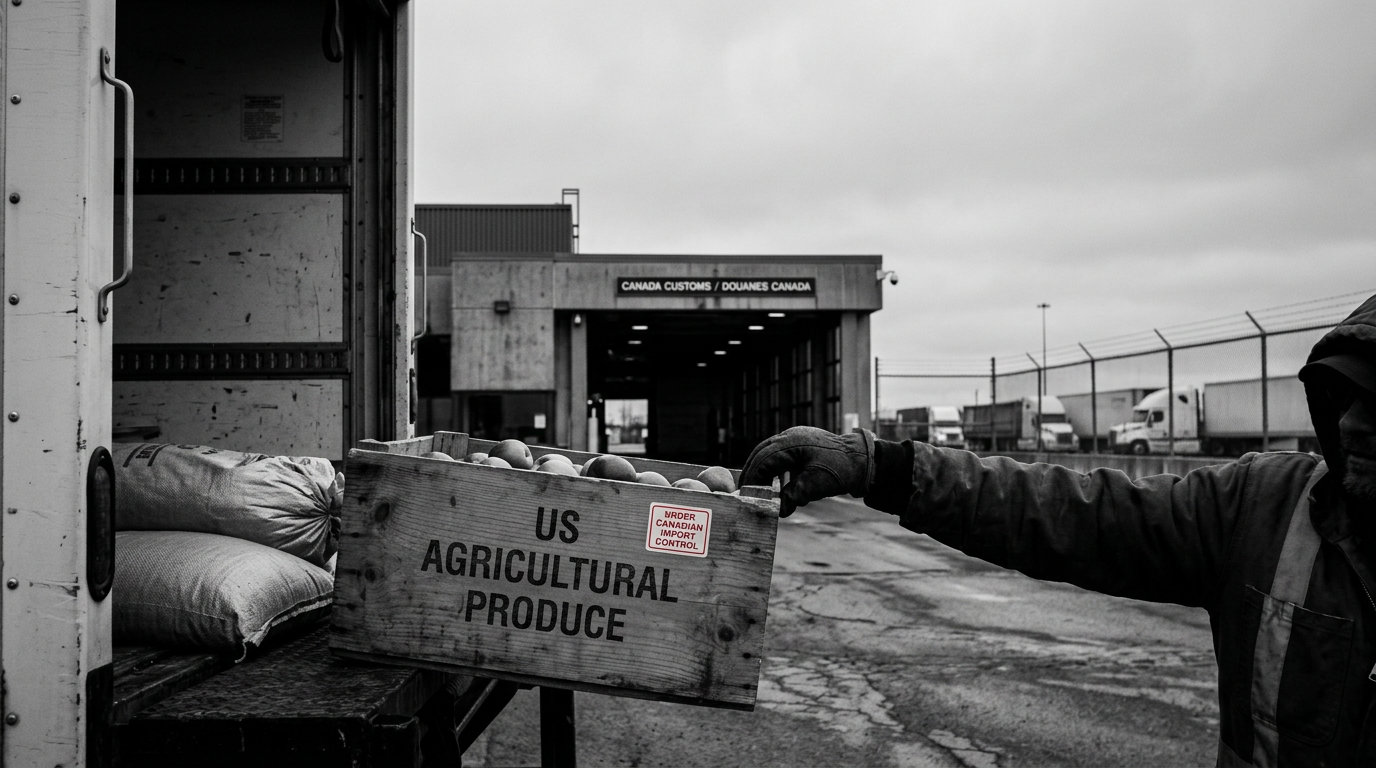
Canada has announced its intention to implement retaliatory tariffs on approximately $20 billion worth of American goods, effective September 8. This action marks a significant escalation in the ongoing trade dispute between the two North American nations, coming in direct response to earlier United States tariffs of 50% on Canadian imports of comparable value.
Officials from both countries have indicated that negotiations aimed at resolving the dispute have collapsed, with each side attributing the breakdown to fundamental disagreements. Key points of contention include differing tax policies and disputes over administrative authority, hindering any potential resolution. Canadian leaders have publicly expressed criticism regarding the diplomatic approach taken by the United States, citing a perceived lack of professional engagement and the use of provocative language as primary obstacles to productive dialogue.
Diplomatic Stalemate Deepens
The communication deadlock between the two nations is further complicated by persistent disagreements concerning cultural and linguistic protections. Canadian officials assert that these protections are non-negotiable domestic rights, integral to their national identity and sovereignty. Conversely, United States trade representatives argue that the current economic friction is predominantly a Canadian concern, emphasizing that no active negotiations are presently underway to resolve the tariff dispute.
The US administration has also signaled its readiness to consider additional restrictive trade measures should Canada proceed with its announced retaliatory duties. This impasse between two of the world's largest trading partners carries substantial risks for deeply integrated supply chains that traverse the North American continent. These ongoing tensions could also potentially lead to increased consumer pricing for residents in both countries, affecting household budgets.
Historical Context and Future Outlook
Historically, trade relations between Canada and the United States have often involved intricate issues. Past disputes have covered various sectors, including lumber and agricultural products, alongside broader continental agreements such as NAFTA and its successor, the USMCA. While periods of friction are not uncommon between these two closely linked economies, the current situation represents a particularly challenging phase.
This period suggests a potential departure from established diplomatic channels and dispute resolution mechanisms that have previously helped mitigate economic impacts. The extensive economic ties between Canada and the US involve billions of dollars in goods and services crossing the border daily, underscoring the potential for widespread disruption. Canada's upcoming tariffs signal a firm stance, while the US position demonstrates a willingness to further exert economic pressure. The evolving situation demands close observation, as its implications could extend beyond immediate trade balances to broader impacts on economic stability and political cooperation across North America, affecting numerous sectors dependent on cross-border trade.